
Planting
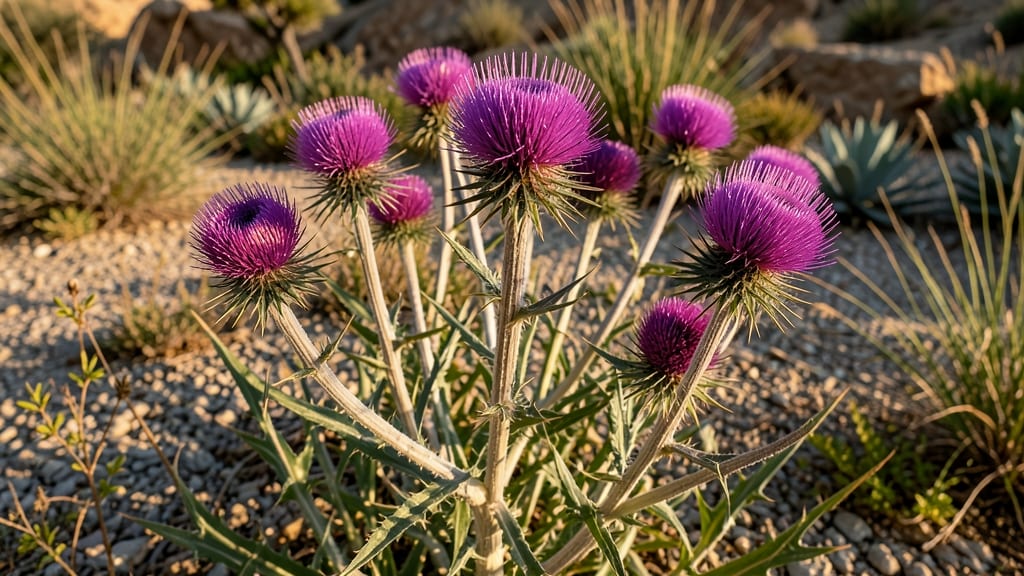
Zone 6 gardeners know the struggle of seasonal replanting—but these 10 perennial seeds thrive year after year, surviving harsh winters and returning with vibrant blooms. Skip the annual hassle and build a low-maintenance garden that keeps giving.
Russian Sage for Drought-Tolerant Purple Beauty
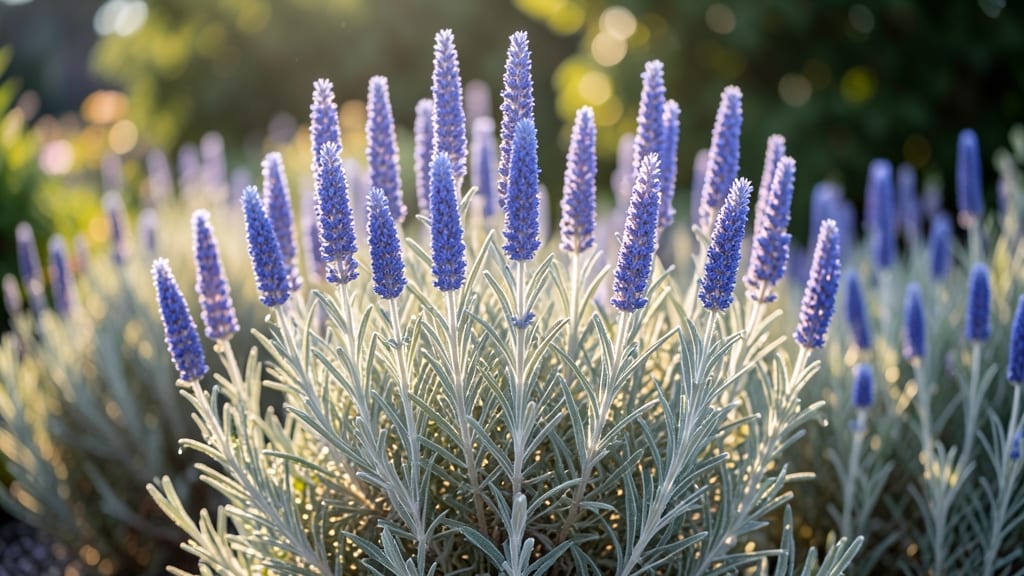
If you’re tired of watering thirsty plants that wilt by noon, Russian sage is your drought-proof superhero. This deer-resistant perennial thrives on neglect, boasting lavender-blue spikes that bloom from mid-summer to frost—with zero fuss. Its silvery foliage adds texture even when not in flower, making it a year-round star.
Plant Russian sage in full sun (at least 6 hours daily) and water sparingly—once established, it needs almost none. It tolerates poor, rocky, or sandy soil, making it perfect for slopes or tough spots where other plants fail. For best results, shear back stems in early spring to encourage bushier growth and prevent flopping.
This low-maintenance beauty is ideal for pollinator gardens, as bees and butterflies adore its nectar-rich blooms. Urban gardeners and busy homeowners will love how it cuts water bills and deters pests—all while adding vertical drama to borders. 🌟
Catmint for Pollinators and Long-Lasting Color
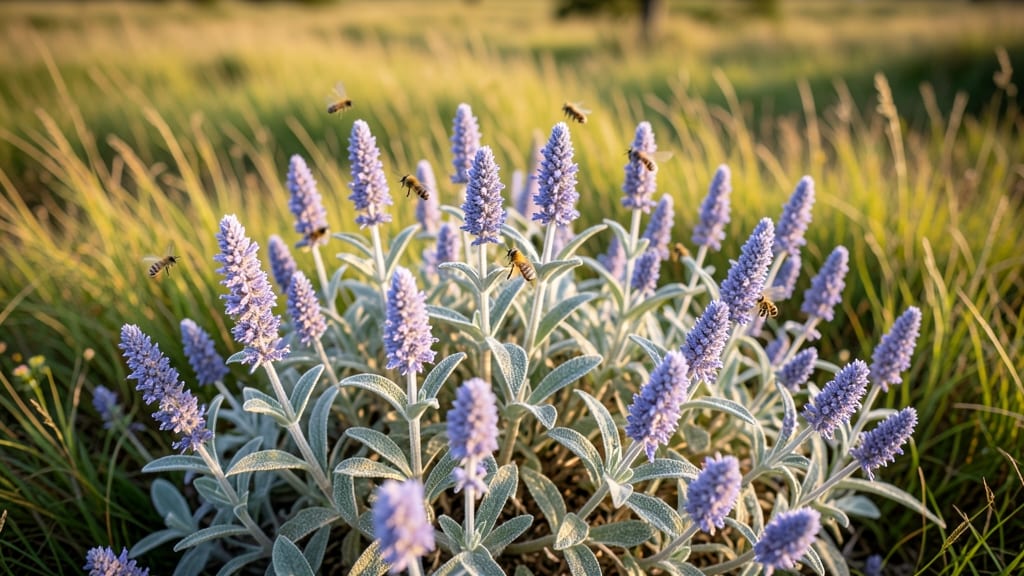
If you want a pollinator powerhouse that blooms from June until frost, catmint (Nepeta) is your go-to perennial. Unlike fussy annuals, it thrives in Zone 6’s harsh winters, returning year after year with lavender-blue flowers that bees and butterflies can’t resist.
This drought-tolerant workhorse flourishes in full sun and even tolerates poor, rocky soil—making it ideal for neglected corners or containers. Its minty scent also deters deer and rabbits, giving you double protection. Deadhead spent blooms to encourage continuous flowering through fall.
Urban gardeners and cottage-style planners will love how catmint pairs with roses or lavender. Plant it near seating areas to enjoy its fragrance while supporting local wildlife. 🌿
Black-Eyed Susan for Golden Summer Blooms
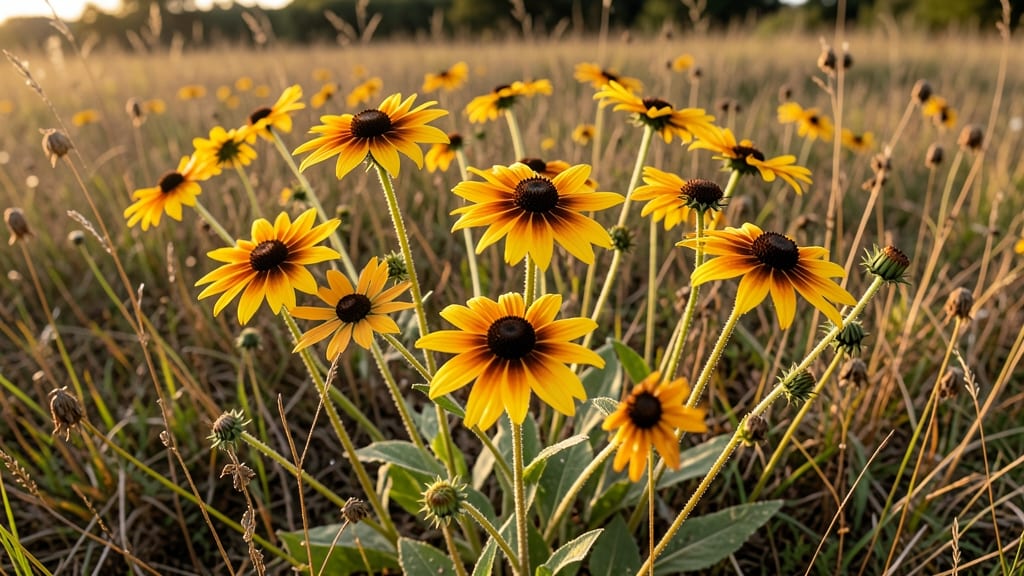
If you crave effortless color that brightens your garden from mid-summer to fall, black-eyed Susan (Rudbeckia hirta) is your go-to perennial. This native beauty thrives in Zone 6 with minimal fuss, popping up reliably year after year in even the toughest conditions.
Plant seeds in early spring or fall for best results, and watch them spread naturally in rocky or sandy soil—no rich compost required. The golden-yellow blooms with dark centers attract birds and butterflies, while their long stems make them perfect for cutting. Deadhead spent flowers to encourage more blooms and prevent self-seeding where you don’t want it.
This is the perfect choice for gardeners who want low-maintenance beauty without sacrificing pollinator support. 🌻
Coneflower for Medicinal and Wildlife Value
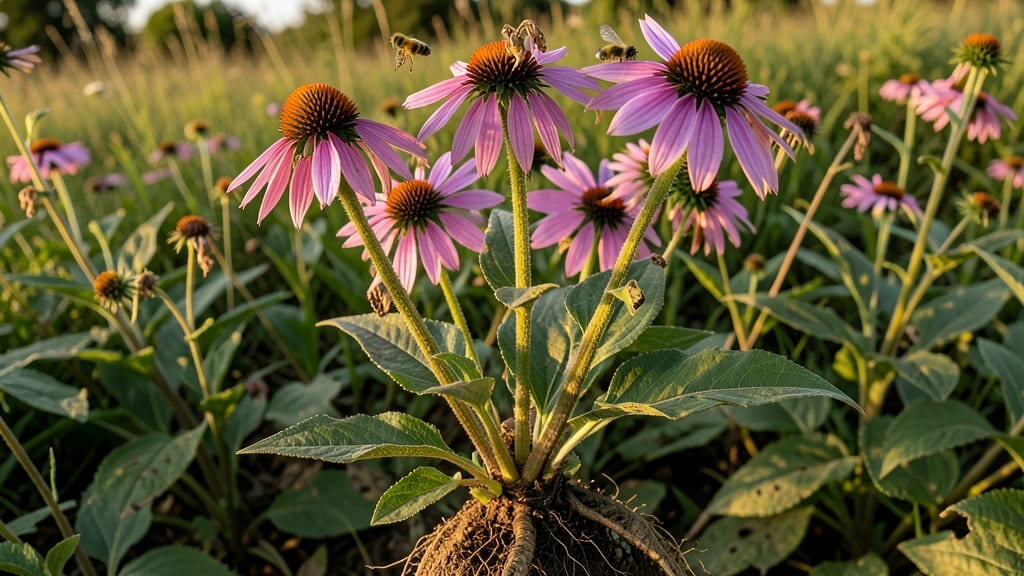
Looking for a perennial that does double duty as both a pollinator powerhouse and a traditional remedy? Coneflower (Echinacea purpurea) delivers with its striking pink-purple blooms and long-lasting seed heads that feed birds through winter.
This hardy plant thrives in full sun to partial shade, tolerates poor soil, and blooms from mid-summer to frost—making it ideal for Zone 6 gardens. Its medicinal properties have been used for centuries to support immune health, while its nectar-rich flowers attract bees, butterflies, and hummingbirds. Perfect for cutting gardens or borders, coneflower’s vertical structure adds drama to any landscape.
Whether you’re a wildlife enthusiast or a gardener seeking low-maintenance beauty, coneflower’s versatility makes it a must-have for any perennial collection. 🌻
Lavender for Fragrance and Pest Control
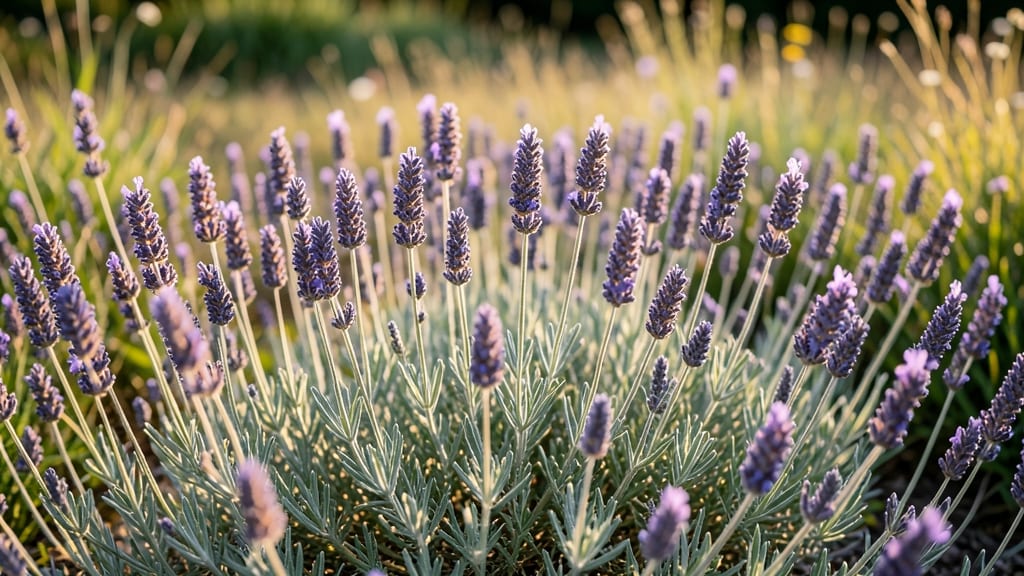
Tired of battling mosquitoes and deer in your garden? Lavender isn’t just a fragrant herb—it’s a natural pest deterrent that thrives in Zone 6’s harsh winters while requiring almost no maintenance. Its woody stems and silvery foliage create a striking contrast against any landscape, and the scent alone makes it a must-have for herb gardens or borders.
Plant lavender in full sun with well-drained soil (it hates soggy roots) and space plants 18-24 inches apart to prevent overcrowding. Once established, it’s drought-tolerant, meaning you’ll spend less time watering and more time enjoying its benefits. Snip stems for dried arrangements or sachets, or let them bloom to attract pollinators—just avoid heavy pruning in fall, as new growth needs time to harden off before winter.
Urban gardeners and small-space growers will love how lavender fits into containers or along fences, while cottage gardeners can use it to define pathways. Its dual role as a fragrant beauty and pest repellent makes it a Zone 6 workhorse you’ll reach for again and again. 💚
Salvia for Hummingbird Magnet and Heat Tolerance
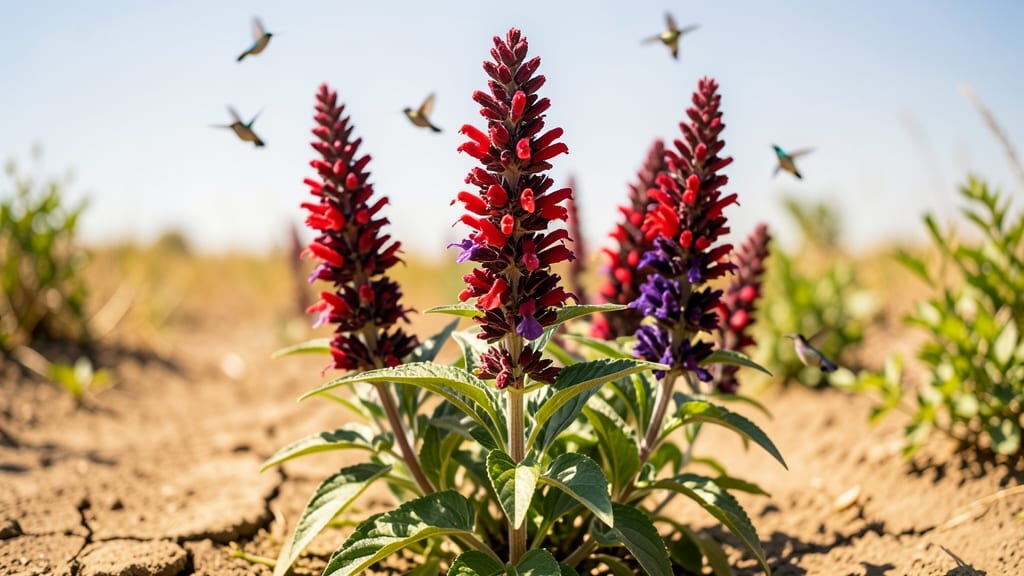
Want a hummingbird magnet that thrives in Zone 6’s scorching summers without extra watering? Salvia delivers striking red or purple spikes that keep birds buzzing all season while demanding little from you.
Plant salvia in full sun with well-drained soil—it tolerates heat and drought once established—and space plants 18-24 inches apart for air circulation. Deadhead spent blooms to encourage continuous flowering from early summer through fall. This versatile perennial pairs beautifully with coneflower, lavender, or Russian sage for layered pollinator plots.
Perfect for gardeners who want low-maintenance color with high wildlife value, salvia’s vertical structure adds drama to sunny borders or cottage-style gardens. 🌻
Yarrow for Cut Flowers and Self-Sowing Spread
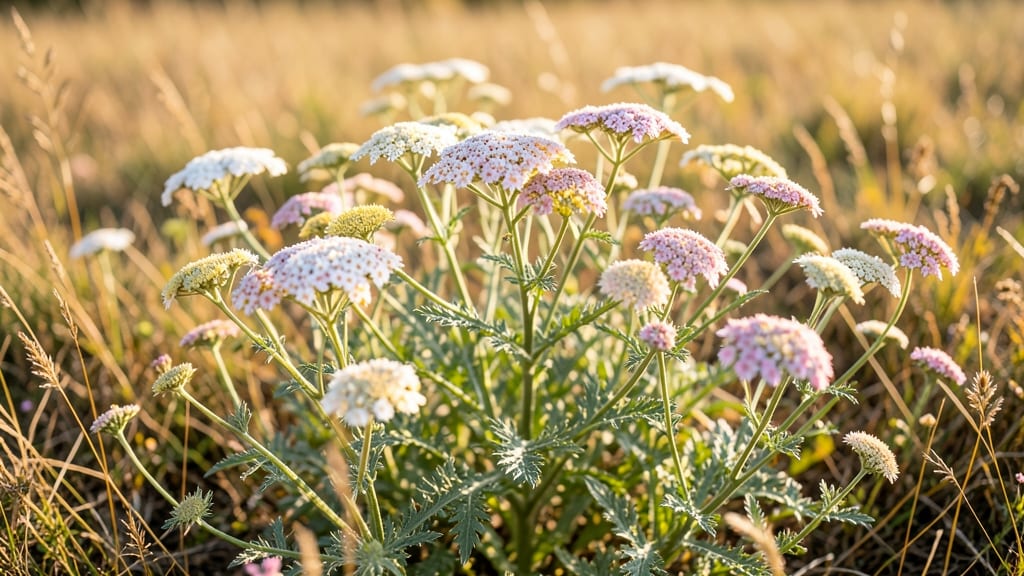
Looking for a low-maintenance perennial that thrives in Zone 6’s dry spells and spreads effortlessly? Yarrow delivers flat-topped clusters of white, pink, or yellow blooms from early summer through fall—perfect for cutting gardens or wildflower meadows.
This drought-tolerant plant thrives in full sun to partial shade and even self-seeds, meaning you’ll get fresh blooms year after year with minimal effort. Deadhead spent flowers to encourage reblooming or let them go to seed for a natural, self-sustaining display. Yarrow’s feathery foliage also deters pests, making it a double-duty garden workhorse.
Ideal for beginner gardeners or those seeking easy-care perennials, yarrow’s versatility shines in borders, pollinator gardens, or as a long-lasting cut flower—just snip stems early in the morning for the freshest bouquets. 🌻
Daylily for Shade Tolerance and Bold Blooms
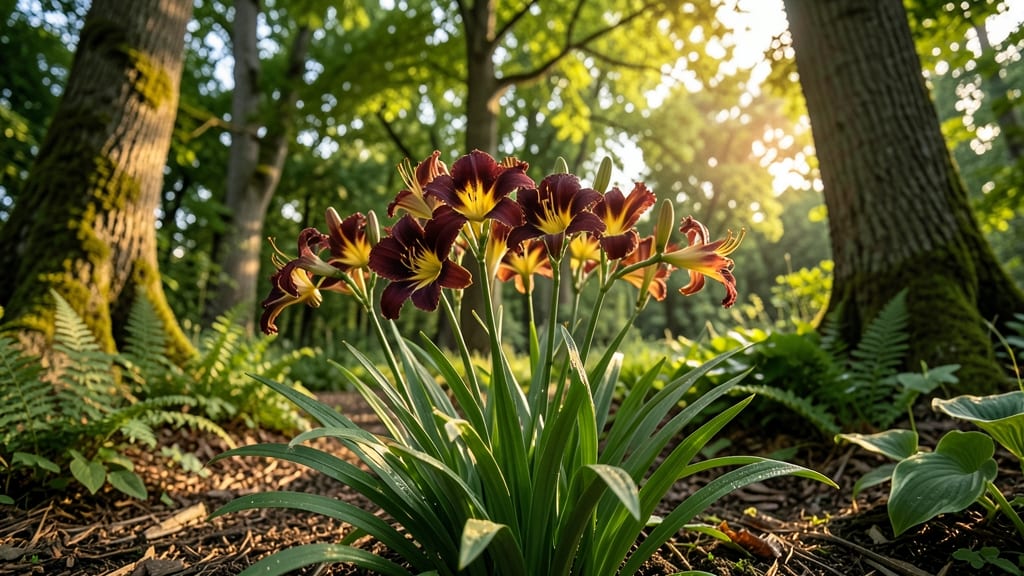
If your garden has shady spots that other plants struggle to fill, daylilies are your secret weapon. Unlike sun-loving perennials, these hardy beauties thrive in partial shade, producing bold blooms from early summer until frost—with minimal fuss.
Daylilies adapt to woodland gardens, foundation plantings, or containers with ease, and their vibrant colors range from fiery orange to deep purple. Plant them in well-draining soil and water occasionally once established—they’re drought-tolerant once rooted. For extra blooms, deadhead spent flowers, but even without this step, they’ll reward you with repeat flowering all season.
Perfect for beginners or busy gardeners, daylilies deliver low-maintenance beauty without sacrificing impact. 🌻
Bee Balm for Hummingbirds and Rich Colors
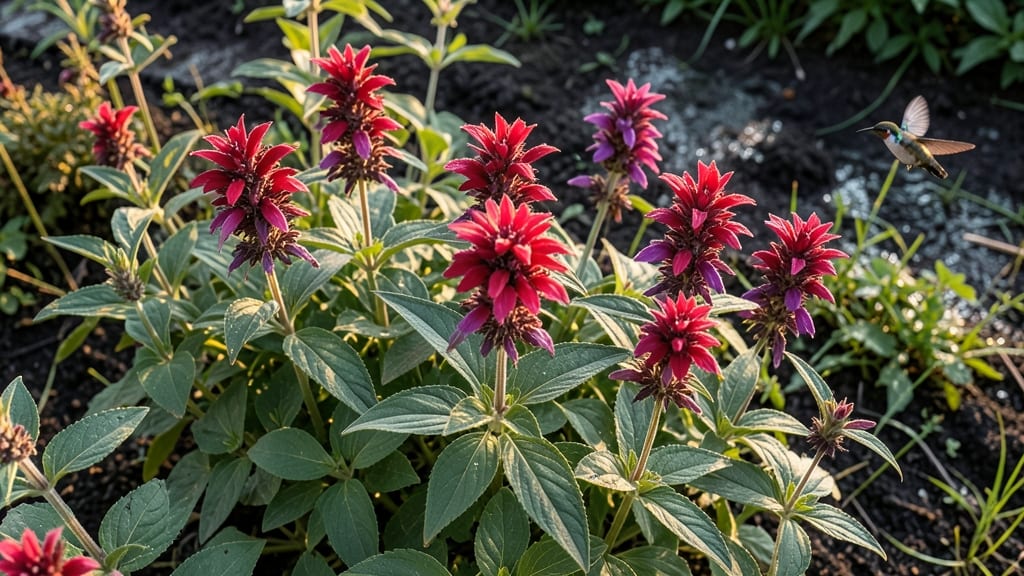
Transform your garden into a hummingbird hotspot with bee balm, a vibrant perennial that blooms in bold reds, pinks, and purples from early summer until frost. Its tubular flowers aren’t just stunning—they’re irresistible to hummingbirds, turning your yard into a lively feeding station.
This moisture-loving plant thrives in damp soil, making it perfect for rain gardens or near ponds, and spreads easily through underground runners. Choose varieties like 'Jacob Cline' for deep red blooms or 'Marshmallow' for soft pink hues. Deadhead spent flowers to encourage continuous blooming and prevent self-seeding if you prefer controlled growth.
Ideal for cottage-style borders or pollinator gardens, bee balm brings both beauty and function. Gardeners in Zone 6 will love its hardiness and long-lasting color—just watch for powdery mildew in humid climates. 🌻
Russian Thistle for Unique Texture and Drought Resistance

Looking for a plant that turns heads without requiring perfect soil or constant watering? Russian thistle (Salsola tragus) delivers bold, globular purple blooms that resemble oversized pincushions, creating a striking focal point in modern landscapes.
This drought-tolerant perennial thrives in poor, rocky, or sandy soil where other plants struggle, making it ideal for neglected corners or urban gardens. Its silvery-green foliage adds texture year-round, while its ability to survive prolonged drought means less maintenance for you. Deadheading spent blooms encourages more flowers, and it self-seeds lightly for natural propagation.
Perfect for gardeners who love low-maintenance, high-impact plants, Russian thistle is especially eye-catching in minimalist designs or as a dramatic border accent. 🌻