
Planting
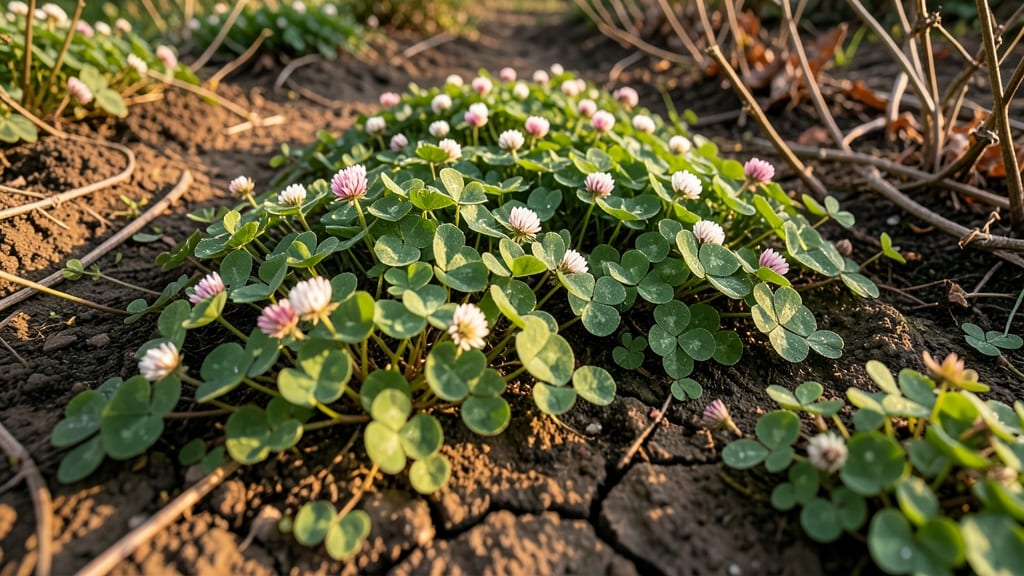
Fall gardening isn’t over—October is perfect for planting hardy seeds that establish roots before winter. These 10 cold-resistant varieties ensure fresh harvests or vibrant blooms come spring, even in cooler climates.
Garlic Cloves for Overwintering Harvests
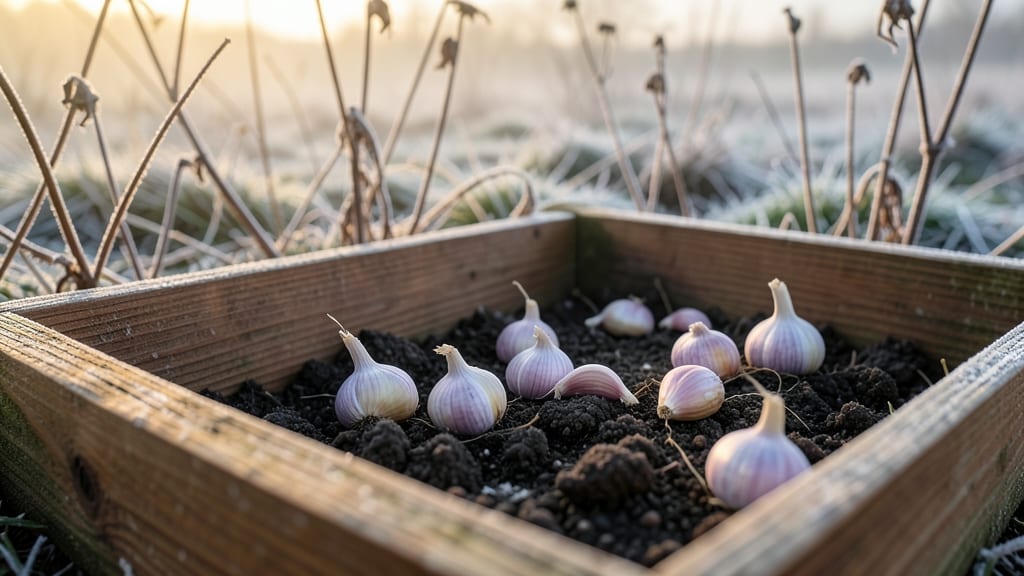
Skip the spring rush—planting garlic cloves in October gives you a head start on next summer’s harvest with almost no effort. Unlike spring-planted garlic, fall-sown varieties develop stronger bulbs because they experience natural winter chilling, a process called vernalization, which boosts flavor and size.
Break apart bulbs into individual cloves (keep the papery skin on) and plant them 2 inches deep, 6 inches apart, in well-draining soil. Organic gardeners love garlic because it naturally deters pests like aphids and Japanese beetles—no chemicals needed. For even bigger yields, choose hardneck varieties like ‘Music’ or ‘German White’, which thrive in colder climates (USDA zones 3-8).
This low-maintenance crop requires zero summer care—just mulch with straw or leaves to protect from freezing. By June, you’ll pull plump, flavorful bulbs perfect for cooking or braiding. 🌱
Spinach Seeds for Winter Greens
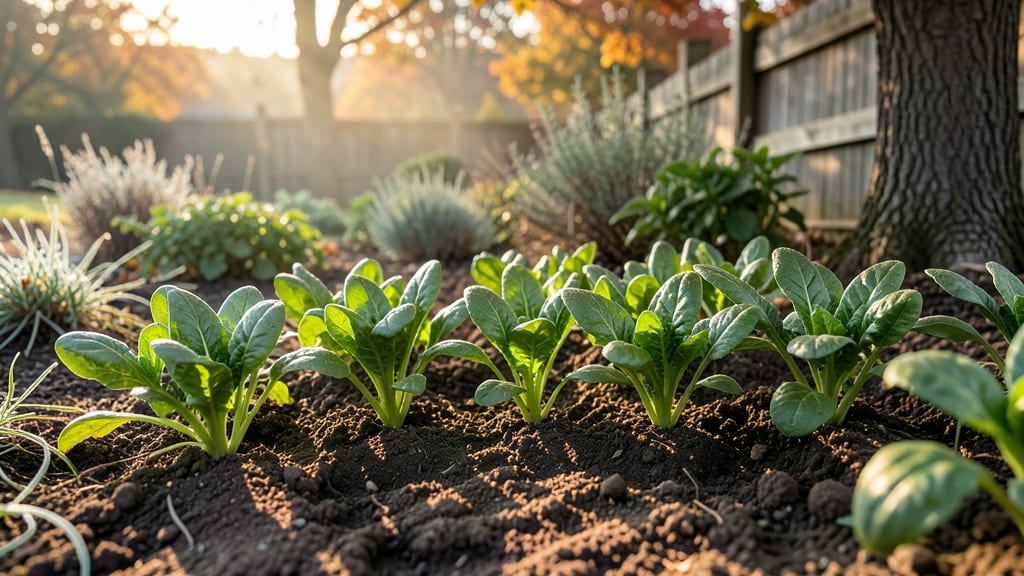
When summer’s heatwave finally breaks, spinach steps in as your garden’s unsung hero—delivering tender, nutrient-packed leaves that thrive in cool October temperatures and keep producing until late spring.
Sow seeds directly into well-drained soil with 4-6 weeks before your first frost, spacing them 1-2 inches apart. Varieties like ‘Bloomsdale Long Standing’ or ‘Tyee’ handle light frost beautifully, while avoiding bolting (flowering too soon) in warm spells. For continuous harvests, succession plant every 2-3 weeks—you’ll enjoy fresh greens for months without replanting.
This is the perfect crop for urban gardeners with small spaces or those who want to extend their salad season naturally. Just remember: spinach loves moisture, so keep soil consistently damp for the sweetest, most tender leaves. 🌱
Kale Seeds for Cold-Hardy Nutrition
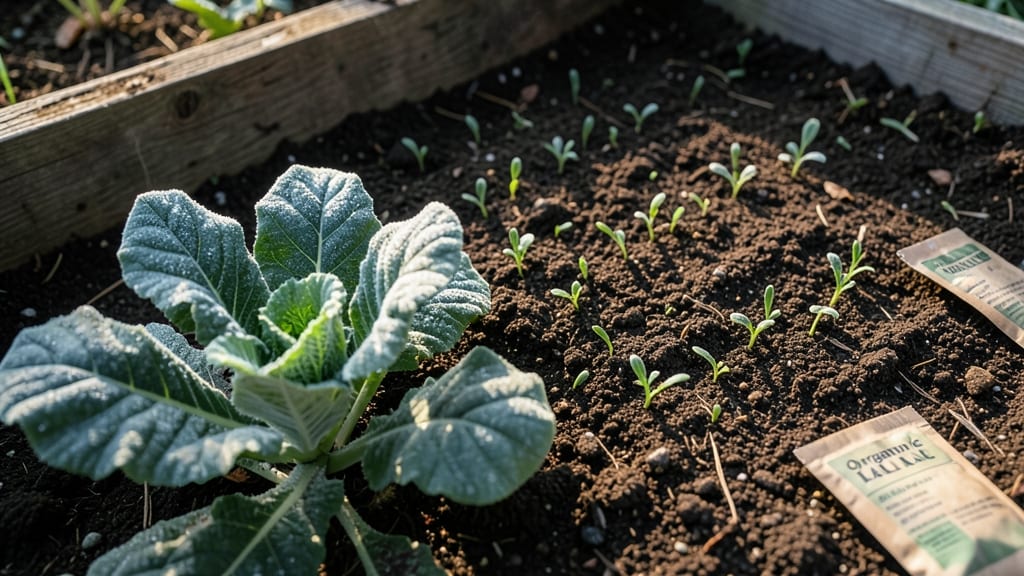
If you’re craving year-round nutrition without sacrificing precious garden space, kale seeds are your secret weapon. This cold-hardy green thrives in light frosts (down to 20°F) and delivers vitamin K, A, and C even when other crops fade—making it ideal for late-October planting.
Sow seeds ½ inch deep in well-draining soil, spacing them 12–18 inches apart in rows. For containers or raised beds, use dwarf varieties like ‘Dwarf Blue Curled’ to maximize harvests in tight spaces. Mulch with straw to protect young plants from hard freezes, and harvest outer leaves as needed to encourage continuous growth.
Urban gardeners and small-space growers will love how kale’s compact growth habit fits neatly into windowsill containers or balcony planters. Plus, its bitter-sweet flavor deepens after frost—perfect for salads, sautés, or smoothies. 🌱
Peas for Early Spring Harvests
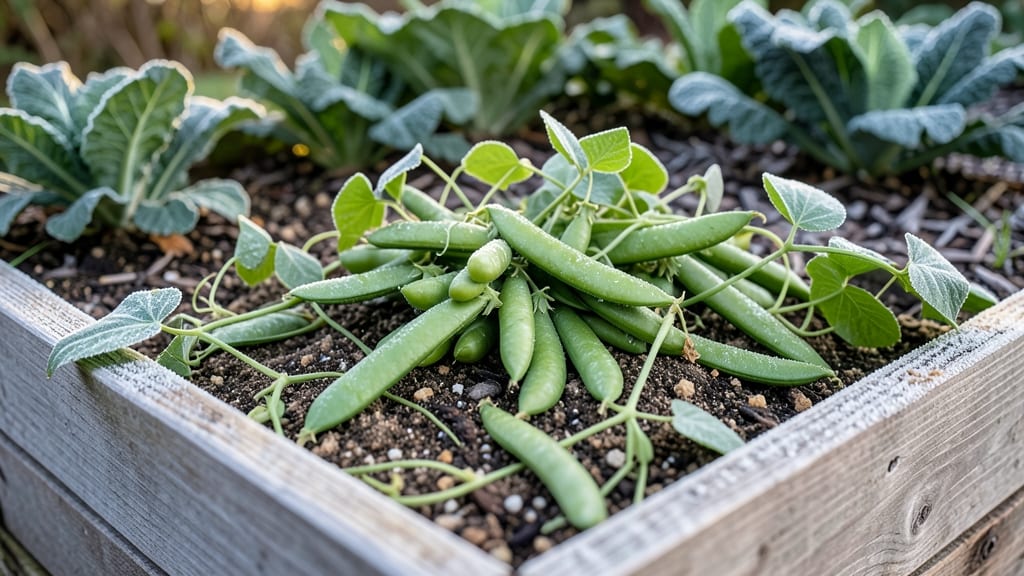
Want to beat winter blues with fresh, homegrown food? Planting sugar snap peas or snow peas in October gives you a 60-day jump on spring harvests—long before most gardens are ready. These cool-season champions thrive in temperatures as low as 35°F and even improve with light frost, making them the perfect bridge between fall and spring.
Sow seeds directly into well-drained soil with a trellis or stakes in place—peas need vertical support to climb. Space seeds 1-2 inches apart and 2-3 inches deep, then water gently to avoid disturbing the soil. For continuous harvests, succession plant every 2-3 weeks until late fall. The sweetest pods appear when they’re still firm but plump, often just 6-8 weeks after planting.
This is the secret weapon for urban gardeners with small spaces or anyone craving fresh produce before summer’s heat sets in. With minimal effort, you’ll have crisp, protein-rich pods ready to snack on straight from the vine. 🌱
Carrot Seeds for Slow-Growing Roots
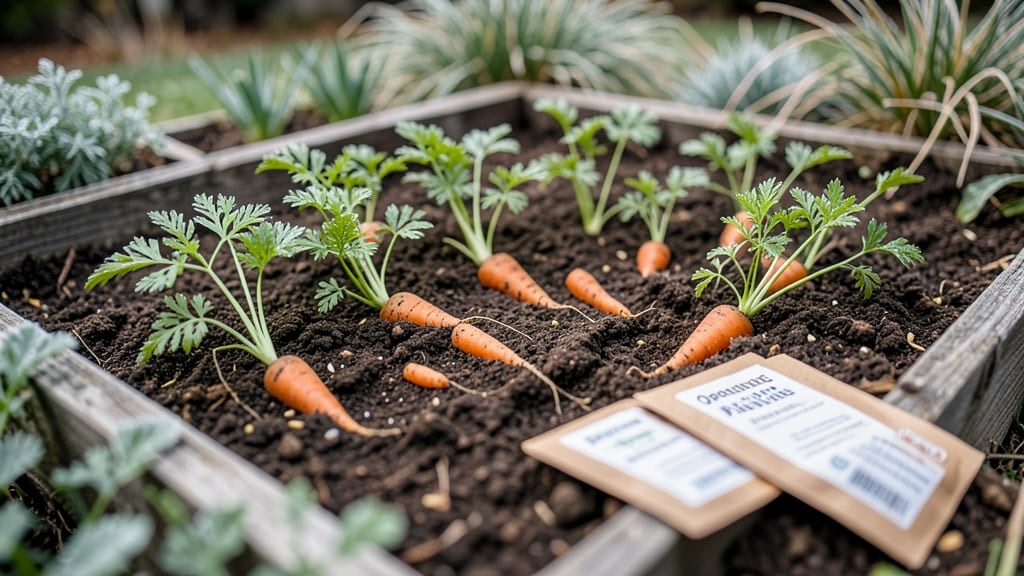
Skip the summer weed wars and plant carrot seeds in October—they’ll grow sweeter over winter while avoiding competition. This slow-and-steady approach rewards you with tender, flavorful roots come spring, with minimal weeding or thinning required.
Choose open-pollinated varieties like ‘Nantes’ or ‘Danvers’ for reliable performance in cold climates. Sow seeds directly in loose, well-drained soil (no need for containers) and keep rows spaced 12 inches apart. A light mulch of straw protects them from freezing temps while preventing soil compaction.
This method is ideal for organic gardeners who want low-maintenance crops—just water occasionally and let nature do the rest. You’ll harvest crisp, sweet carrots without the summer pest battles. 🌱
Lettuce Seeds for Cut-and-Come-Again
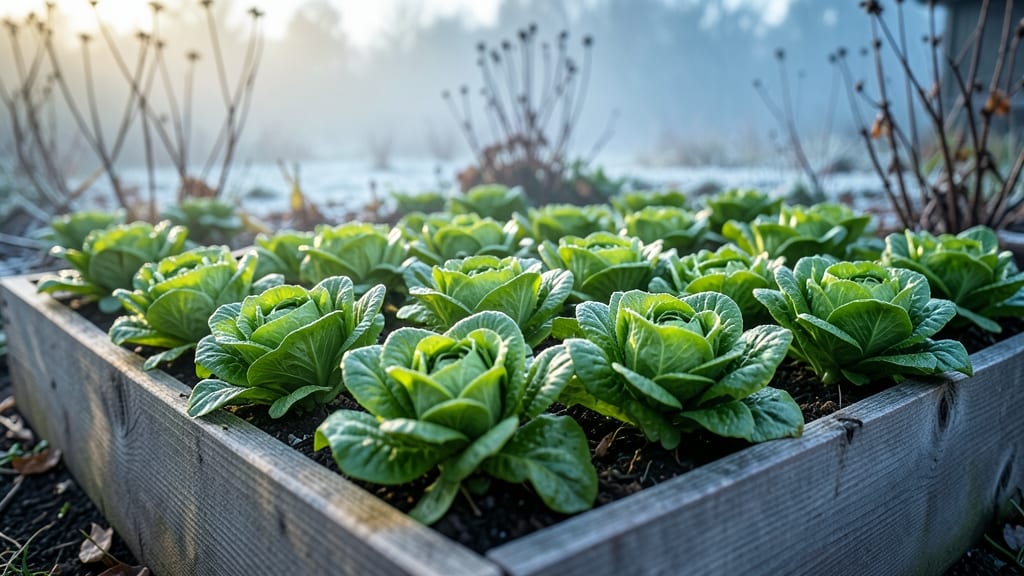
If you’ve ever wished for a year-round salad fix without sacrificing precious garden space, cut-and-come-again lettuce is your answer. Varieties like ‘Winter Density’ are designed to regrow after harvesting—meaning you’ll get multiple harvests from a single planting, even in cool October temperatures.
Sow seeds in well-draining soil with partial shade (3–6 hours of sun) to prevent bolting. Once leaves reach 3–4 inches, snip the outer leaves just above the base, leaving the center intact. This method works for container gardens or small urban plots, delivering fresh greens for weeks. For best results, mulch lightly to insulate roots from temperature swings.
Urban gardeners with limited square footage will love this space-efficient solution—no need for replanting every few weeks. Just keep soil moist and watch your lettuce bounce back like a resilient green machine. 🌱
Onion Sets for Spring Green Onions
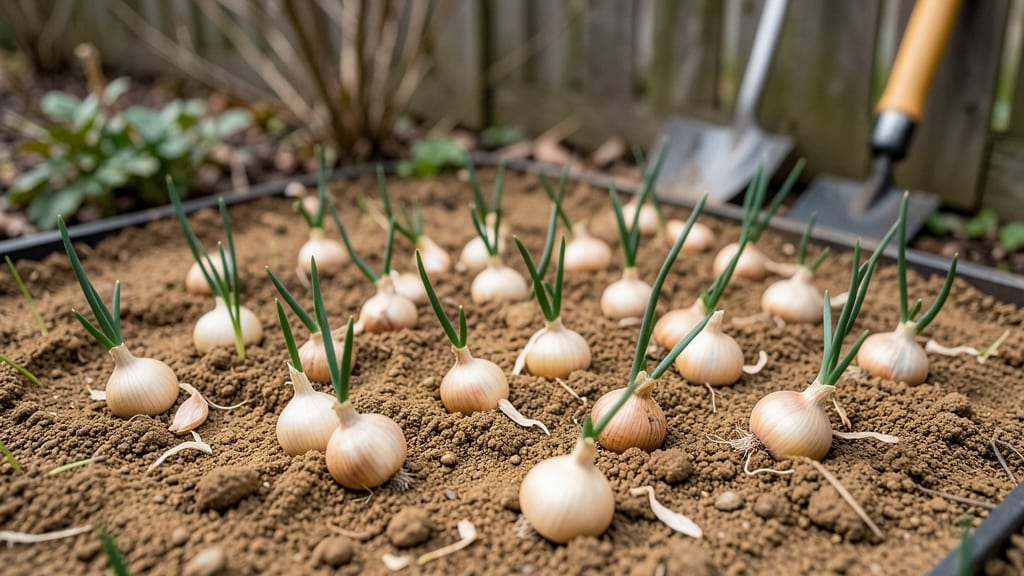
Want fresh green onions by spring with almost no effort? Planting onion sets in October is the secret to a fast, low-maintenance harvest—no seeds, no fuss, just delicious greens in 60 days or less.
Simply pop the small bulbs (available at garden centers) into well-drained soil, about 1 inch deep and 4 inches apart, in full sun or partial shade. They’ll overwinter easily in most climates (USDA zones 3-10) and send up tender shoots as soon as temperatures warm. For extra protection, mulch lightly with straw to shield from harsh frosts.
This method is perfect for beginner gardeners or anyone short on time—just plant, forget, and harvest when ready. You’ll get year-round greens with minimal space! 🌱
Radish Seeds for Fast Winter Snacks
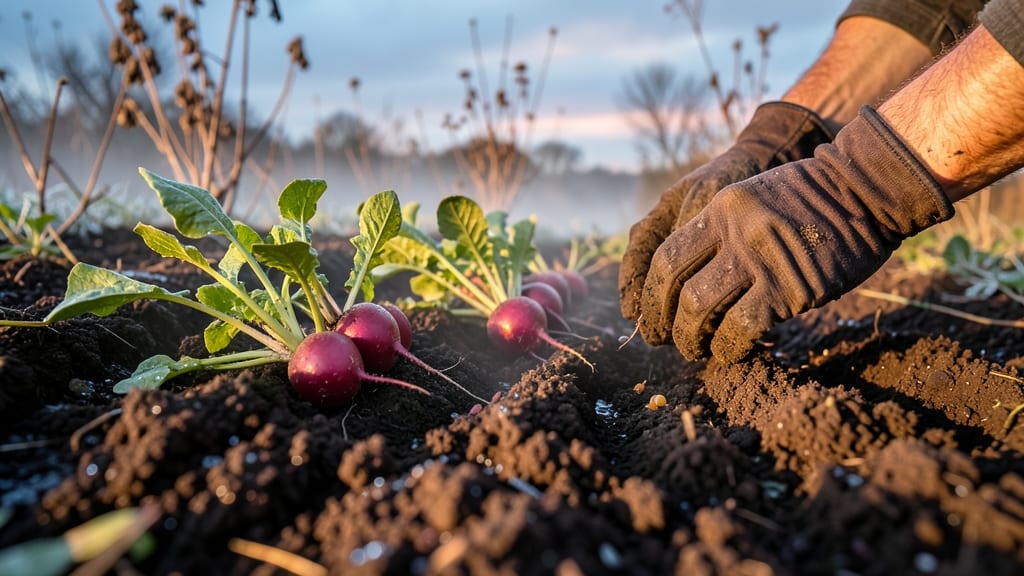
When October’s crisp air makes you crave fresh flavors, radishes deliver in just 25 days—fast enough to satisfy even the most impatient gardeners or curious kids. These peppery roots don’t just grow quickly; they thrive in cool soil, making them ideal for late-season planting.
Sow seeds directly in well-drained soil with full sun to partial shade, spacing them about 1 inch apart. Varieties like ‘Cherry Belle’ or ‘French Breakfast’ are perfect for crisp, tender roots. Thin seedlings to 2 inches apart once they sprout to prevent overcrowding, and enjoy harvests before winter sets in. Radishes are also great for container gardens or small spaces.
This quick-turnaround crop is perfect for teaching kids about gardening or adding a peppery crunch to winter salads. Plus, their speed keeps motivation high! 🌱
Calendula Flowers for Winter Color
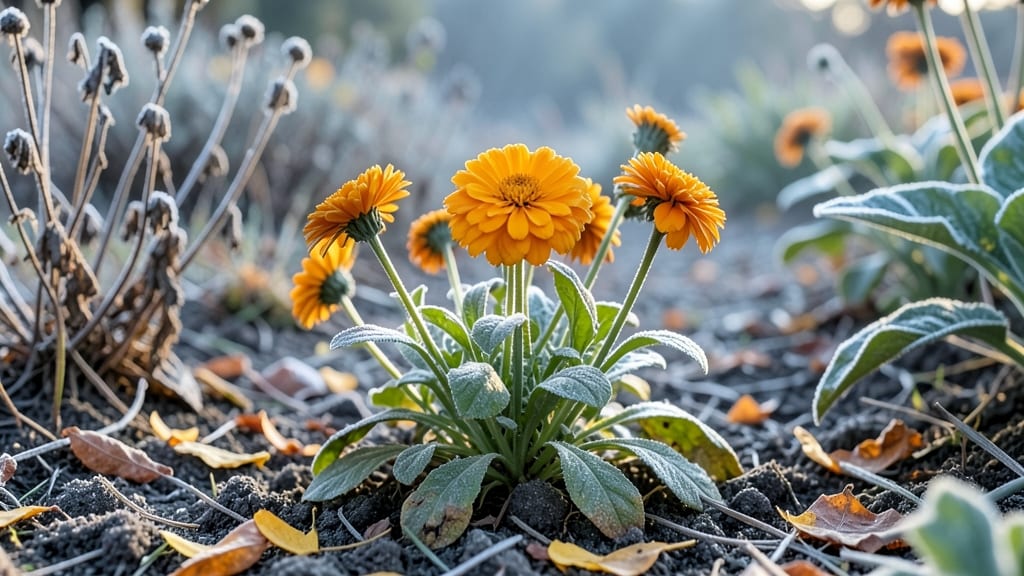
When winter’s chill turns your garden into a monochrome landscape, calendula seeds are your secret weapon for color and function. These cheerful blooms not only survive light frosts but thrive in cooler temperatures, offering edible petals and natural pest control—ideal for both pollinator gardens and herbal remedy enthusiasts.
Sow seeds directly in well-draining soil after the first frost, spacing them about 12 inches apart. Calendula deters pests like aphids and whiteflies while attracting beneficial insects like ladybugs and hoverflies. The petals are edible—add them to salads or infuse them in oils for a gentle, skin-soothing remedy. Their bright orange and yellow blooms lift spirits even in the bleakest winter months.
Perfect for gardeners who want beauty and utility, calendula is a low-maintenance choice that rewards you with both visual appeal and practical benefits. 🌻
Clover Seeds for Soil Enrichment

Tired of struggling with poor soil quality? Clover seeds are your secret weapon for transforming tired garden beds this October. Unlike edible crops, clover doesn’t produce food for your table—but it works tirelessly underground to create the perfect foundation for next year’s harvests.
These hardy seeds thrive in cool fall temperatures and fix nitrogen directly into the soil through root nodules, a process that continues even under winter snow. For best results, sow them in areas where you’ll plant heavy feeders like tomatoes or corn next spring. White clover spreads quickly, making it ideal for ground cover, while red clover grows taller and decomposes faster, adding organic matter in just one season.
Regenerative gardeners and those with depleted soil will see dramatic improvements in plant health and yields within months. It’s the ultimate low-maintenance investment for future harvests. 🌱