
Planting
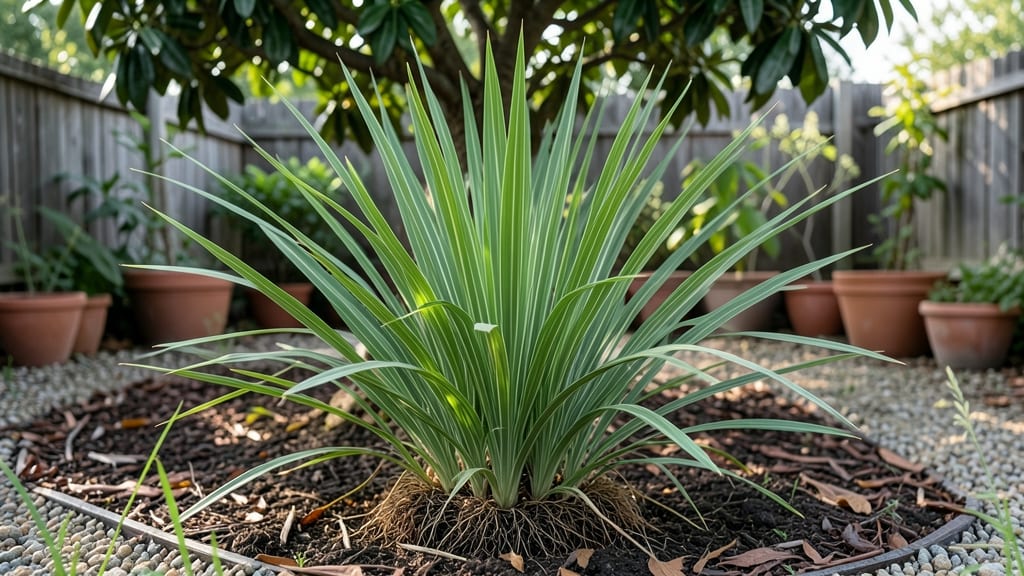
Lemongrass is not a true perennial in Zone 8 without protection—it thrives as an annual or short-lived perennial, surviving mild winters only if mulched heavily or grown in containers moved indoors. Cold snaps below 20°F will kill it, but regrowth often occurs from roots if frost isn’t severe.
Lemongrass's tropical origins make it sensitive to cold, and Zone 8's winter temperatures often drop just low enough to damage or kill the plant. 🌱 While it can handle brief dips to 25°F, prolonged exposure below 20°F will freeze the rhizomes, though the roots may survive to sprout again in spring.
The key to extending its lifespan lies in protecting it from harsh conditions—whether through thick mulch layers or relocating potted plants to sheltered areas.
Many gardeners in Zone 8 successfully overwinter lemongrass by combining methods: wrapping containers in bubble wrap, burying them in straw, or even moving them to a garage with consistent temperatures above freezing.
This approach turns what would otherwise be an annual into a semi-perennial, giving you multiple harvests over several years.
💡 In This Article
- How Zone 8 Climates Affect Lemongrass Survival
- Proven Strategies to Overwinter Lemongrass in Zone 8
How Zone 8 climates affect lemongrass survival
Lemongrass (Cymbopogon citratus) originates from tropical regions where temperatures rarely drop below 60°F, making it fundamentally ill-suited for Zone 8's winters. The plant's rhizomes—thick, horizontal stems that store nutrients—are particularly vulnerable to cold damage.
When temperatures fall below 20°F, these rhizomes can suffer irreversible cell damage, though the roots may linger in the soil until warmer weather returns. This explains why lemongrass behaves as an annual in most of Zone 8 without intervention.
The critical threshold lies between 20°F and 25°F: brief exposures may cause superficial damage, while prolonged cold snaps below 20°F often kill the plant entirely. What's fascinating is how frost interacts with lemongrass's physiology.
Ice crystals form within the rhizome cells, rupturing their membranes during freeze-thaw cycles—a process called "cryoinjury." Even if the roots survive, the plant's ability to regenerate depends on how deeply the frost penetrates, which varies by soil type and mulch coverage. 🌟
Zone 8's climate creates a paradox: while summers are ideal for lemongrass growth, winters present a high-stakes gamble. The USDA's Zone 8a (10-15°F) and 8b (15-20°F) classifications reveal this tension—lemongrass may survive in 8b with protection but struggles in 8a without it.
Gardeners in these areas often report that plants mulched to 6-8 inches depth can push through early spring, while unprotected specimens fail entirely. This variability explains why some growers treat lemongrass as a perennial while others abandon it after the first frost.
The plant's tropical nature also affects its regrowth patterns. Unlike hardy perennials that emerge steadily from roots, lemongrass often produces sparse, weak shoots after winter damage. These new growths lack the vigor of summer plants because the rhizomes' energy reserves were depleted during cold stress.
This is why professional growers recommend dividing healthy rhizomes in early spring to stimulate stronger regrowth—a technique that mimics the plant's natural tropical growth cycles. 🌱
Soil temperature plays a hidden but crucial role. Even if air temperatures hover above freezing, soil can remain 5°F colder due to radiative heat loss. This chilling effect extends the duration of cold stress on rhizomes, making proper mulching essential.
Organic materials like straw or shredded leaves (which decompose slowly) create an insulating layer that maintains soil temperatures above 25°F, the critical threshold for rhizome survival. The science here is straightforward: warmer soil equals better survival rates.
What most gardeners overlook is how lemongrass's growth habit changes after winter. Plants that survive cold damage often produce shorter, more fibrous stalks with less aromatic oil content—a direct result of stressed rhizomes.
This explains why commercial growers in Zone 8 frequently start fresh cuttings each spring rather than relying on overwintered plants.
The trade-off between convenience and quality becomes clear when you compare the citrusy aroma of fresh stalks (0.5-1.5% essential oil content) to the weaker scent of regrowth plants (0.2-0.5%).