
Planting
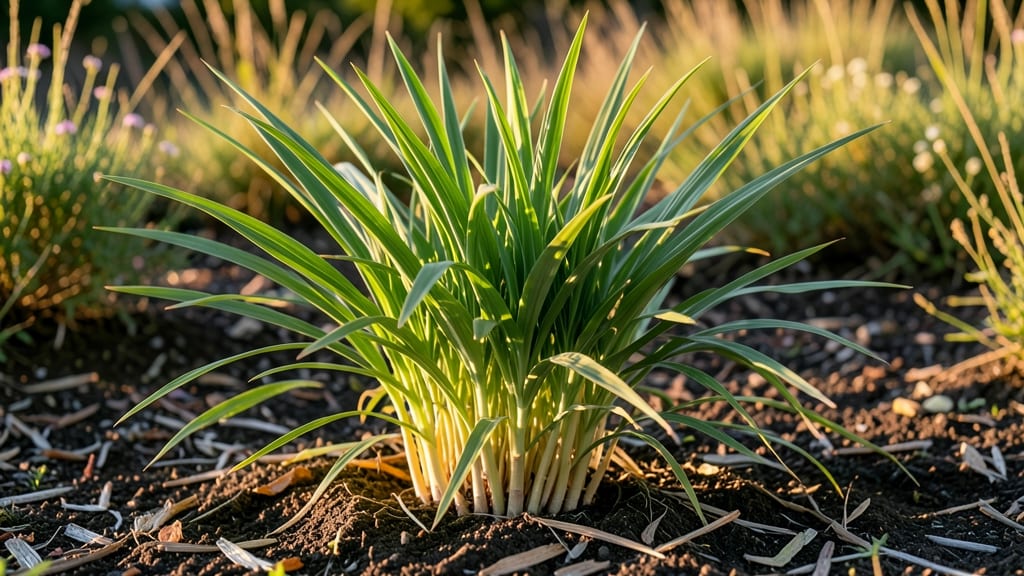
Growing lemongrass in Zone 6 means starting plants indoors in spring, transplanting after your last frost date, and shielding them from cold snaps with heavy mulch or containers. Opt for hardier varieties like 'West Indian' and harvest stems before the first frost arrives.
Zone 6's chilly winters pose a real challenge for tropical lemongrass, which thrives in USDA Zones 10-11. 🌱 The key is creating a protected microclimate—whether through containers you can move indoors or thick mulch layers that insulate roots.
I've found that starting seeds indoors 8-10 weeks before your last frost gives them a head start, while container growing lets you bring plants inside before temperatures drop below 30°F.
Even with these precautions, most gardeners treat lemongrass as an annual in Zone 6, harvesting before winter sets in completely.
For best results, focus on soil warmth and consistent moisture during the growing season. Lemongrass roots are shallow but sensitive to cold, so maintaining 60°F+ soil temperatures through summer is crucial.
Many growers use black plastic mulch or row covers to boost ground temperatures, while others swear by the 'cut-and-come-again' method—harvesting stems at 12-18 inches tall to encourage regrowth before cold arrives.
💡 In This Article
- Lemongrass Cold Hardiness in Zone 6: Survival Strategies
- Zone 6 Lemongrass Planting and Care Calendar
Lemongrass cold hardiness in Zone 6: survival strategies
Lemongrass (Cymbopogon citratus) originates from tropical regions where temperatures rarely drop below 50°F, making Zone 6's winters (-10°F to 0°F) a major challenge.
The plant's survival hinges on its root system's ability to store energy, but even hardy varieties like 'West Indian' struggle when exposed to prolonged cold. The critical threshold is 32°F
To extend the growing season, create microclimates that mimic tropical conditions. Container growing is particularly effective—pots allow you to move plants indoors before temperatures dip below 30°F. The roots, which typically grow 12-18 inches deep, benefit from the insulation of containers filled with a mix of 60% potting soil and 40% perlite, which drains excess moisture while retaining warmth. Even in-ground plants can thrive with 4-6 inches of straw mulch applied in late fall, which insulates roots and maintains soil temperatures 10-15°F warmer than ambient air. Another survival tactic is leveraging lemongrass's regrowth capabilities. When temperatures drop below 40°F, the above-ground stems often die back, but the roots remain dormant until spring. By harvesting stems at 12-18 inches tall in late summer, you encourage the plant to redirect energy to root storage, increasing its resilience. This method also prevents the plant from becoming "leggy" or woody, which happens when stems grow too tall before cold sets in. 💛 For advanced gardeners, consider using row covers or cold frames during late fall and early spring. These structures can raise soil temperatures by 5-10°F and protect young shoots from light frosts. However, avoid plastic covers during peak summer—lemongrass thrives in 75-85°F conditions and can suffer from heat stress if enclosed too tightly. The goal is to balance protection with airflow to prevent fungal diseases like root rot, which thrives in stagnant, cold soil. What most people don't realize is that lemongrass's essential oils—what give it that signature citrusy aroma—actually increase its cold tolerance. These oils have natural antifungal properties and help regulate the plant's internal temperature. That's why harvesting stems for culinary use in late summer (when oil content peaks) not only gives you the best flavor but also strengthens the remaining plant's ability to survive winter. 🌿 If you're growing lemongrass in Zone 6, plan to treat it as an annual or biennial. Even with the best care, most plants won't survive multiple winters. However, you can preserve the roots by cutting back stems to 2-3 inches in late fall, covering them with mulch, and replanting new shoots in spring. This "reset" method often yields even more vigorous regrowth the following season. ✨