
Planting
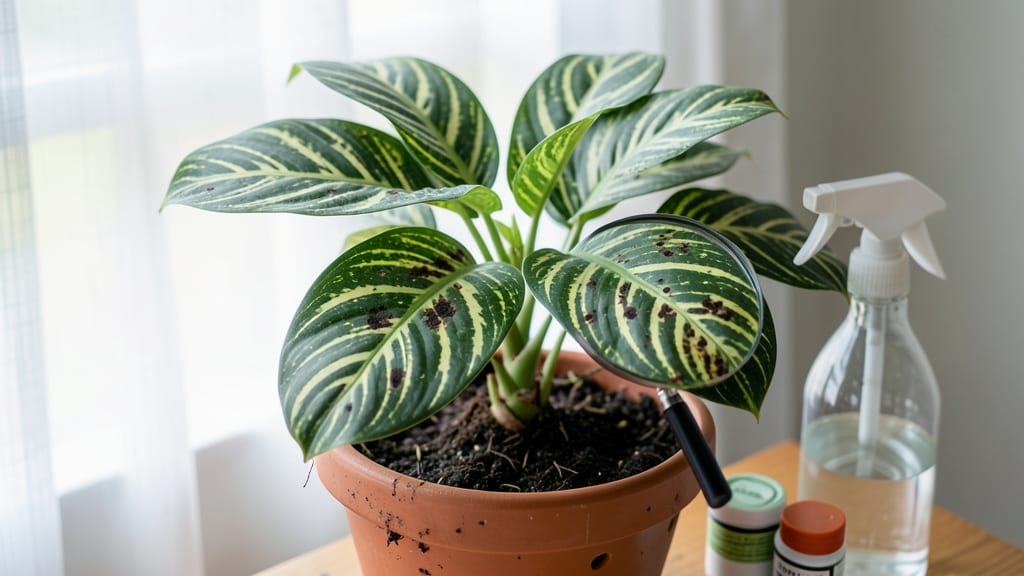
Black marks on plant leaves can turn your lush garden into a sad, spotted mess in days. 🌱 I’ve seen sooty mold ruin a perfectly healthy fern collection and bacterial spot turn my tomato plants into a sad, crinkled disappointment—until I learned the quick fixes that actually work.
The culprits are usually fungal spores, sticky honeydew from pests, or even overwatering that smothers roots. Most gardeners panic and grab the strongest fungicide, but the real cure often starts with a simple spray bottle and a little elbow grease.
Think of it like a leaf detox—gentle but effective. By day three, you’ll see fresh growth pushing through, and those black spots will fade if you act fast. The key is catching it early, cleaning up fallen leaves, and giving your plants the right airflow.
Trust me, your garden will thank you. This works for houseplants, veggie gardens, and even your prized roses. Let’s get those leaves sparkling again.
Understanding Leaf Blemishes
Black marks on plant leaves aren’t just unsightly—they’re often a cry for help from your green friends. Whether they’re tiny dots, oily stains, or sunken patches, these marks usually signal stress, disease, or environmental factors.
Below, we break down the most common culprits behind leaf discoloration, so you can diagnose and treat the issue fast.
Fungi thrive in damp, warm conditions and are one of the most common causes of black marks on leaves. These pathogens disrupt plant tissues, leading to spots, lesions, or even leaf drop. Here’s how to spot them:
- Powdery Mildew: Appears as dark, powdery patches (often grayish-black) on leaf surfaces. It thrives in low-light, high-humidity environments. - Leaf Spot Diseases: Causes irregular black or brown spots with yellow halos. Common in plants like tomatoes, beans, and roses. - Black Mold (Alternaria): Produces dark, concentric rings on leaves, often in wet or overcrowded conditions.💡 Pro Tip: Fungal spores spread via water splashes or wind. Avoid overhead watering and ensure proper airflow between plants to prevent outbreaks.
Insects like aphids, mites, and thrips feed on plant sap, leaving behind black sooty mold (a fungal growth fed by their honeydew) or direct damage marks. Here’s what to watch for:
- Sooty Mold: A black, velvety film on leaves, often near sticky honeydew trails. Common pests include scale insects and mealybugs. - Mite Scarring: Tiny yellow or brown speckles that turn black as leaves dry out (especially on succulents and citrus). - Caterpillar or Beetle Chewing: Irregular blackened edges or holes in leaves from feeding insects.🔥 Quick Fix: Spray leaves with neem oil or insecticidal soap to deter pests. Prune heavily infested foliage to stop the cycle.
Extreme conditions—whether heat, cold, or poor light—can cause blackened leaf tissue. These marks are usually dry, crispy, or sun-bleached:
- Sunburn: White or blackened patches on leaves exposed to intense sunlight (common in newly transplanted or variegated plants). - Cold Damage: Blackened, water-soaked edges or tips from frost or sudden temperature drops. - Overwatering: Yellowing leaves with blackened, mushy spots (a sign of root rot spreading to foliage). - Nutrient Deficiency: Blackened veins or leaf tips from lack of magnesium (a classic sign of chlorosis).🌡️ Adjust Care: Move plants to indirect light, water only when the top inch of soil is dry, and fertilize with Epsom salt (for magnesium) if needed.
Too much fertilizer, herbicide drift, or even hard water can leave behind blackened, crispy marks. Here’s how to identify chemical damage:
- Fertilizer Burn: Blackened leaf tips or edges from salt buildup (common with synthetic fertilizers). - Herbicide Damage: Irregular black patches or streaks from overspray (especially on edible plants). - Hard Water Stains: Black or brown residue on leaves from mineral deposits in tap water.✨ Prevention Tip: Always dilute fertilizers to half-strength and use rainwater or filtered water for sensitive plants.
Not all black marks are from disease or pests. Sometimes, they’re a sign of:
- Bacterial Leaf Spot: Dark, watery spots that ooze when pressed (common in tomatoes and peppers).
- Viruses: Mosaic patterns or stunted growth with blackened veins (often spread by sap-sucking insects).
- Mechanical Damage: Blackened bruises from hail, wind, or rough handling.
- Natural Aging: Older leaves may develop blackened edges as they senesce (a normal part of growth).
🎯 Key Takeaway: If marks appear suddenly and spread rapidly, act fast—fungal or bacterial issues worsen quickly. For slow-developing marks, adjust care gradually.
Quick Fixes for Leaf Blemishes
Seeing black marks marring your plant’s leaves can be frustrating, but the good news is that most issues are fixable—often in just a few days with the right approach.
Below, we’ve mapped out targeted solutions based on the most common causes, so you can act fast and keep your plants thriving. Prevention tips are included to stop future outbreaks before they start!
If your plant is battling fungal spots (like black or brown spots with yellow halos), act quickly to prevent it from spreading to other leaves or plants.
#### 🔥 Remove Infected FoliageStart by pruning away severely affected leaves with clean, sharp scissors. Dispose of them in the trash—not the compost! Fungal spores can linger in compost and reinfect your garden.
#### 🍳 Apply FungicideUse a copper-based fungicide or a neem oil solution (1 tsp neem oil + 1 quart water + a drop of dish soap as a surfactant). Spray the undersides of leaves (where spores often hide) and stems thoroughly. Reapply every 7–10 days until the spots fade.
#### 🌡️ Improve Airflow & LightFungal spots love humid, stagnant conditions. Space plants 3–6 inches apart to allow air circulation, and move them to a spot with bright, indirect light (avoid soggy soil). If growing indoors, use a small fan on low to keep air moving.
#### 💡 Pro Tip:For organic growers, mix 1 tbsp baking soda + 1 quart water + a few drops of soap in a spray bottle. This mild solution raises the leaf’s pH, making it inhospitable to fungi. Test on a small area first!
If your leaves are covered in black, velvety mold (sooty mold), the real culprit is likely sap-sucking pests like aphids, scale, or whiteflies. The mold itself is harmless but unsightly—tackle the pests first!
#### 👨🍳 Blast Off PestsUse a strong stream of water to knock off soft-bodied pests like aphids. For stubborn infestations, spray with insecticidal soap (follow label instructions) or a homemade mix of 1 tsp castile soap + 1 quart water. Reapply every 3–5 days.
#### 🥘 Wipe Down LeavesDampen a soft cloth with water and a few drops of rubbing alcohol (or mild dish soap) and gently wipe the sooty mold off leaves. Avoid harsh scrubbing to prevent damage.
#### ✨ Prevent ReinfectionOnce pests are gone, the mold should fade within a week. To keep it away:
- Introduce beneficial insects like ladybugs or lacewings.
- Avoid over-fertilizing (excess sap attracts pests).
- Keep plants dry—water in the morning so leaves dry quickly.
If black, mushy spots appear on lower leaves or near the stem, your plant may be drowning in overwatered soil. Root rot is sneaky—it starts underground before showing above!
#### ⏰ Let the Soil Dry OutStop watering immediately and check soil moisture by sticking your finger 1–2 inches deep. If it’s damp, wait until it’s bone-dry before watering again. Use a moisture meter for accuracy.
#### 🌱 Repot in Fresh SoilIf the roots smell foul or look black/mushy, repot the plant in a clean pot with well-draining soil (add perlite or sand for aeration). Trim away any black, mushy roots with sterilized scissors.
#### 🎯 Adjust Your Watering HabitsMost plants prefer bottom-watering (place the pot in a tray of water for 10–15 mins) to avoid soggy soil. Use pots with drainage holes, and never let plants sit in saucers of standing water.
#### 💡 Pro Tip:For houseplants like pothos or snake plants, let the top 2 inches of soil dry out between waterings. Succulents and cacti need even less!
Sometimes, black or dark spots are just sun scorch, chemical burns, or nutrient deficiencies. These don’t require fungicides but do need attention.
#### ☀️ Protect from Harsh SunIf leaves have crispy, blackened edges, your plant is getting too much direct sun. Move it to a shadier spot (especially for tropical plants like ferns or calatheas). Use sheer curtains to filter light indoors.
#### 🧼 Avoid Chemical BurnsIf spots appeared after using fertilizer, pesticide, or tap water with high chlorine, flush the soil with distilled or rainwater to remove residue. For future feedings, dilute fertilizers to half-strength.
#### 🍎 Boost Nutrients GentlyYellowing between veins with black spots? Your plant may need magnesium (Epsom salt) or iron. Mix 1 tbsp Epsom salt per gallon of water and spray foliage monthly. For iron deficiency, use a chelated iron supplement.
Remember: The faster you act, the easier the fix! Most leaf blemishes clear up within 3–7 days with consistent care. Keep an eye on your plants, and soon they’ll be back to their vibrant best.
Frequently asked questions
Are black spots on my plant leaves always a sign of disease?
Not necessarily! While fungal or bacterial infections are common causes, black marks can also come from pest damage (like sooty mold from aphids), environmental stress (sunburn or cold damage), or even natural aging. Always check for other symptoms like sticky residue, yellowing, or wilting to narrow it down.
Can I save a plant with severe black marks?
It depends! If the marks are from fungal infections or root rot, prune affected areas immediately and treat with fungicide. For chemical burns or mechanical damage, the plant may recover if you adjust care (like moving to indirect light). If over 50% of leaves are severely affected, the plant may not survive.
Why does my houseplant keep getting black spots even after treatment?
Persistent black spots often mean the root cause isn’t fully addressed. Check for hidden pests (like spider mites), overwatering (test soil moisture), or poor airflow. Also, some plants (like calatheas) are prone to stress spots—rotate them away from drafts or direct sun.
Is sooty mold harmful to my plants?
Sooty mold itself isn’t directly harmful, but it’s a sign of sap-sucking pests (like mealybugs) that weaken plants by draining nutrients. The mold blocks sunlight, reducing photosynthesis. Remove it with a damp cloth and treat pests with neem oil or insecticidal soap to stop the cycle.
How can I prevent black marks from returning?
Focus on proper care habits: water at the base (not overhead), use well-draining soil, and space plants for airflow. Quarantine new plants for 2 weeks to spot pests early. For fungal-prone plants, spray with a baking soda solution monthly as prevention.