
Planting
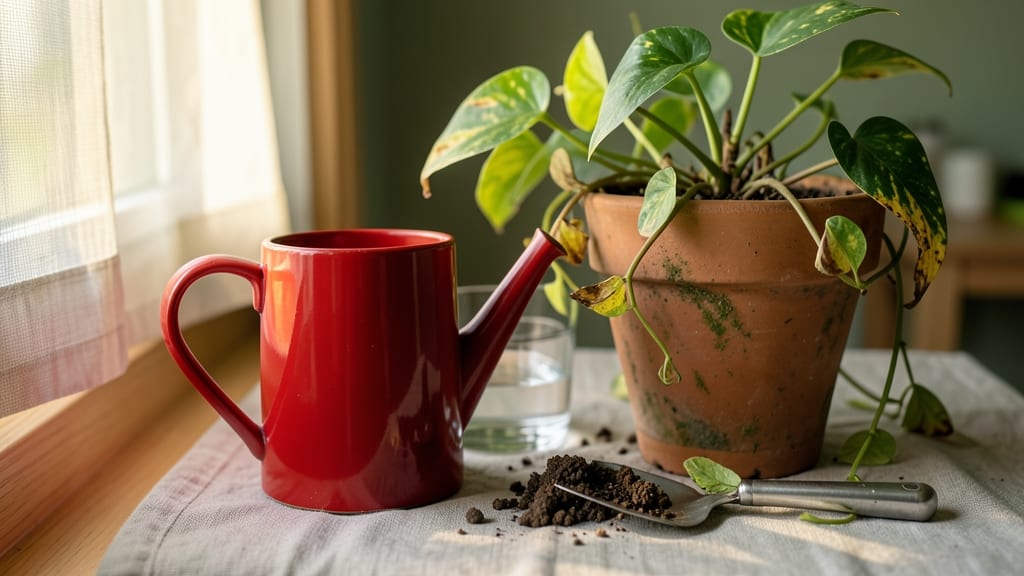
How to revive a wilted plant—your drooping leaves don’t mean it’s dead, just thirsty, stressed, or stuck in the wrong conditions. ✨ I’ve saved more than a dozen plants from the compost pile using these same tricks, and you can too. The first step is figuring out why it’s wilting, because the fix depends on whether it’s underwatered, overwatered, or dealing with something else entirely.
Most wilted plants need one of three things: water, shade, or a little pruning to redirect energy. Start by checking the soil—if it’s bone-dry, give it a deep drink. If it’s soggy, let it dry out and consider repotting.
And if the leaves are yellow or spotted, pests or disease might be the culprit. The key is acting fast before the roots give up completely.
Within hours of the right care, you’ll see leaves perk up and regain their color. My ferns bounce back in under 24 hours once I adjust their watering, and even my black-thumbed succulents recover with proper drainage.
The secret isn’t magic—it’s paying attention to what your plant actually needs, not what you think it needs.
Prevention is easier than revival: stick your finger in the soil before watering, avoid overcrowding pots, and keep an eye out for pests. Once you’ve mastered the basics, you’ll spot wilting before it becomes a crisis. Let’s get that plant standing tall again!
📚 In This Guide
- What you need
- Instructions
- Tips and common mistakes
- Wrapping up and next steps
What you need
- ● Water: Lukewarm (not cold) water—about 1-2 cups (adjust based on plant size). Avoid tap water if it’s heavily chlorinated; let it sit out for 24 hours if needed.
- ● Scissors or pruning shears: Sharp, clean tools to trim damaged or yellowed leaves (sterilize with rubbing alcohol if reusing).
- ● Container or sink: Large enough to submerge the plant’s roots (or at least 50% of the pot) for soaking.
- ○ Hydrogen peroxide (3% solution): 1 tablespoon per gallon of water (optional but helps disinfect roots and boost oxygen uptake).
- ● Well-draining potting mix: Fresh, moistened mix (or coco coir for tropical plants). Avoid compacted or old soil.
- ○ Gloves: Optional but handy for messy roots or thorny plants.
- ● Spray bottle: For misting leaves if your plant is drooping from dehydration (e.g., succulents, ferns).
- ● Plant food (balanced fertilizer): Diluted to half-strength (e.g., 10-10-10) for post-revival care.
- ● Humidity tray or plastic bag: For tropical plants (place pebbles + water under the pot or loosely cover with a bag).
- ○ pH test kit: Optional but useful if your plant is finicky (ideal soil pH: 6.0–7.0 for most plants).
Step-by-Step instructions for reviving a wilted plant
Here's my foolproof method to bring droopy leaves back to life—works for houseplants and garden varieties alike.
💧 Step 1: Check the Roots First (The Most Critical Step)
Gently remove the plant from its pot and examine the roots. Healthy roots are firm and white, while mushy or black roots mean rot. If you see more than 30% blackened roots, the plant may not recover—start fresh with a cutting instead. For salvageable roots, trim away any mushy sections with clean scissors, leaving only healthy white or light tan roots.
Here's the thing—don't panic if you find some root damage. Many plants bounce back surprisingly well once you remove the bad parts. After trimming, place the plant in a clean container with fresh well-draining potting mix (you'll need about 2-3 inches of new soil depending on pot size). Water lightly just enough to settle the soil around roots, then let it drain completely.
☀️ Step 2: Adjust Watering Immediately (The Biggest Mistake People Make)
Overwatering is the #1 cause of wilting, so resist the urge to drown the plant. Instead, stick your finger 1-2 inches into the soil. If it feels dry, give it a thorough watering until water runs out the drainage holes. If it's still damp, wait 2-3 more days before watering again. You'll know you've got the right balance when the soil feels like a wrung-out sponge—not bone dry, not soggy.
Place the plant in bright, indirect light (no harsh midday sun yet). A north-facing window or shaded spot works best for the first few days. Watch for leaves that perk up within 6-12 hours—that's your sign you're on the right track. If leaves stay limp, you may need to adjust light or check for pests next.
✂️ Step 3: Prune Damaged Foliage and Boost Airflow
Use clean scissors to trim any leaves that are completely brown or crispy. Cut back to healthy green tissue—this helps the plant focus energy on recovery. For severely wilted plants, you might need to remove 25-50% of the foliage. Don't worry, new growth will fill in quickly once the plant stabilizes.
Move the plant to a spot with good airflow—a fan on low speed helps prevent fungal issues. I place my revived plants near an open window with gentle breeze circulation. Avoid cramped spaces or crowded plant collections where humidity builds up. Within 3-5 days, you should see new signs of life like slightly firmer leaves or tiny new buds forming.
🌱 Step 4: Fertilize Lightly (The Recovery Secret)
Wait 7-10 days before fertilizing—reviving plants need time to recover roots first. When you do fertilize, use a diluted houseplant fertilizer at half strength. I mix 1 teaspoon of balanced 10-10-10 fertilizer in 1 gallon of water and apply it to the soil. This gives a gentle nutrient boost without overwhelming weakened roots.
Monitor the plant's response closely. Healthy recovery shows as new leaf growth appearing at the top of the plant within 2-3 weeks. If you see yellowing leaves after fertilizing, flush the soil with water to prevent salt buildup. For tropical plants, increase humidity with a pebble tray or occasional misting—just don't overdo it with water-sensitive varieties like succulents.
⏰ Step 5: Establish a New Watering Routine (Prevent Future Wilting)
Now's the time to reset your watering habits. Most houseplants need water when the top 1-2 inches of soil feel dry. Stick to a schedule like every 7-10 days depending on your home's humidity. I use a moisture meter for tricky plants—it takes the guesswork out of watering.
Pay attention to seasonal changes too. Plants typically need 30-50% less water in winter when growth slows. Keep the plant in consistent light conditions—sudden moves can cause stress. With proper care, your revived plant should be fully perky within 4-6 weeks, ready to thrive as if nothing happened.
Tips & tricks for reviving wilted plants
Here's what nobody tells you about bringing plants back from the brink—these tricks make all the difference.
Root Rescue Reality: When you're checking roots in Step 1, focus on the color and texture, not just the percentage of damage. Healthy roots should snap when bent—not squish like overcooked pasta. If you're unsure, take a photo before trimming so you can compare progress later. This helps track recovery, and you'll notice new white root growth within 3-5 days if the plant's making a comeback.
Watering Wisdom: The 1-2 inch soil check in Step 2 is your best friend, but here's the thing—morning is the best time to test moisture. Soil dries faster overnight, so you're less likely to overwater. If your plant is in a plastic pot, check the outside too—condensation means it's holding too much moisture. For stubborn cases, I've had success with the "soak and drain" method: place the pot in a tray of water for 10 minutes, then let it drain completely before returning to its spot.
Lighting Logic: That 6-12 hour perk-up window in Step 2 is real, but don't assume all indirect light is equal. East-facing windows provide perfect morning sun without afternoon intensity. If you only have south or west exposure, use a sheer curtain to diffuse the light. For plants that still look sad after 12 hours, try moving them 6 inches closer to the light source—just don't go from shade to direct sun suddenly, or you'll shock the leaves.
Pruning Precision: When trimming foliage in Step 3, cut at a 45-degree angle just above a leaf node (that little bump where leaves grow). This encourages new growth from that spot. For large leaves, remove them completely rather than trying to salvage partial sections—it's less stressful for the plant. And here's a pro move: save those healthy cuttings in water for 2-3 weeks to propagate new plants while your original recovers.
Pro Tips for Revive A Wilted Plant
- Here's what nobody tells you about bringing plants back from the brink—these tricks make all the difference.
- Root Rescue Reality: When you're checking roots in Step 1, focus on the color and texture, not just the percentage of...
- Watering Wisdom: The 1-2 inch soil check in Step 2 is your best friend, but here's the thing—morning is the best time...
Frequently asked questions
Got questions about bringing your droopy greens back to life? You’re not alone! Here are some of the most common concerns—and straightforward answers—to help you tackle wilted plants like a pro.
Can I revive a wilted plant if it’s been dry for days?
If the soil is bone-dry, act fast! Soak the roots in water for 10–15 minutes to rehydrate them, then trim any mushy stems. However, if the plant feels shriveled (not just wilted), it may be too late—focus on preventing future dehydration instead.
How long does it take for a wilted plant to perk up?
Most plants show improvement within 1–4 hours after proper hydration, but full recovery can take 24–72 hours. Leafy greens (like lettuce or basil) bounce back fastest, while woody plants (e.g., roses) may need a few days. Patience is key—don’t overwater expecting instant results!
What if my plant keeps wilting after reviving it?
Repeat wilting signals a deeper issue: root rot, overwatering, or poor drainage. Check the roots—if they’re black/mushy, repot in fresh soil. If the soil stays soggy, use a pot with drainage holes and water only when the top inch is dry.
Can I use ice cubes to revive a wilted plant?
Ice cubes can help gradually hydrate roots without shocking them, but they’re not a magic fix. Place 1–2 cubes at the soil’s surface, then water normally. This works best for small pots—avoid it for large plants, as it may cause uneven moisture.
What’s the best time of day to revive a wilted plant?
Aim for early morning (6–9 AM) to give roots time to absorb water before the heat of the day. Avoid reviving plants at night or in direct sunlight, as this can stress them further. If you’re in a hurry, evening is the next best option—just keep them out of harsh light.
Wrapping up and next steps
Reviving a wilted plant doesn’t have to be a guessing game—with the right hydration hack and a little patience, you can bring it back to life! Remember, watering properly, trimming damaged leaves, and providing the right environment are your best tools.
Even if your plant seems beyond hope, give it a chance—nature has a way of surprising you.
Now that you’re armed with these tips, take action! Start with one plant and observe the changes over the next few days. Before you know it, you’ll be the proud caretaker of a thriving green friend—and maybe even a new green thumb expert. Happy reviving! 🌱✨