
Planting
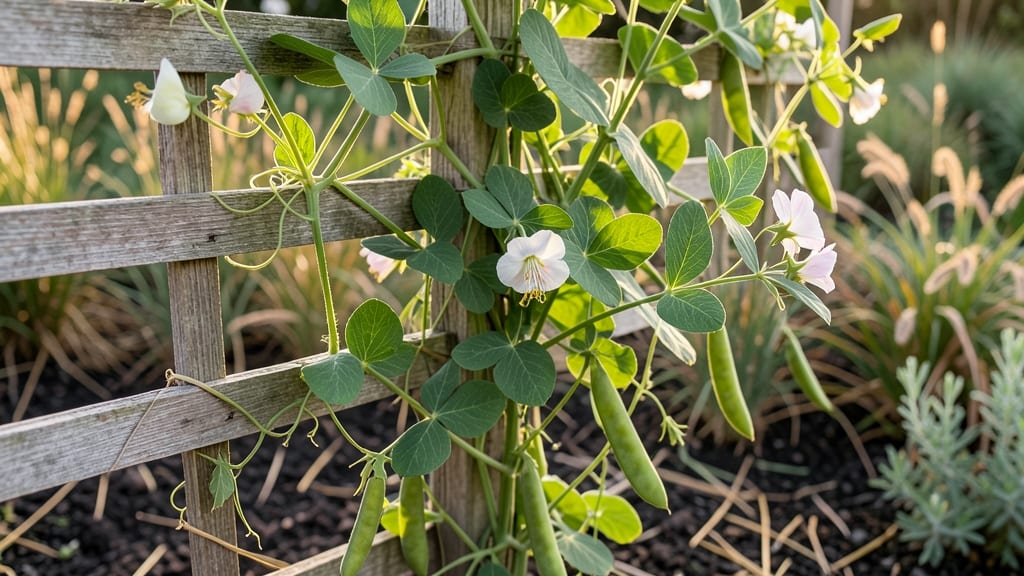
Understanding the days to maturity for peas 🌱 is the key to planning a harvest that fits your growing season—whether you’re after quick snap peas in 50 days or shelling peas that need 75 days of patience.
If you're planning a vegetable garden but struggling to decide between dwarf and tall pea varieties, knowing their maturity timelines could save you from planting the wrong seeds—and waiting too long for harvest.
A fast-maturing dwarf pea might give you pods in 60 days, while a tall variety could take twice as long, changing how you space your plantings.
Pea varieties vary wildly—some snap peas mature in just 55 days, while others need 80 days or more. Your climate zone, frost dates, and even soil temperature play a role in whether those days shrink or stretch.
In USDA Zone 6a, early spring plantings need to align with last frost dates to avoid wasted effort.
Here’s how to use maturity timelines to pick the right peas, time your plantings for back-to-back harvests, and even mix fast and slow varieties for a garden that keeps producing all season.
Peas days to maturity: how fast do dwarf vs tall varieties grow?
When planning your garden, days to maturity is one of the most important factors for peas. This metric tells you exactly how long to wait from planting until harvest, helping you choose varieties that fit your growing season and climate zone.
Dwarf peas typically mature faster—ideal for short seasons—while tall varieties often take longer but produce more over time. Understanding these differences can mean the difference between a bountiful harvest and waiting too long for tiny yields.
For example, early-season dwarf peas like 'Little Marvel' can be ready in just 55-60 days, perfect for cool climates where summers are brief. Meanwhile, tall climbing varieties like 'Wando' take 65-75 days but reward you with larger pods and longer harvest windows.
The key is matching your planting timeline to your frost dates—plant too late, and even fast varieties won’t mature before heat sets in.
Days to maturity also affects your succession planting strategy. If you’re in a Zone 5 or colder, where frost can arrive early, dwarf varieties give you a better chance of harvesting before the first freeze. In warmer zones (like Zone 7+), you might even squeeze in a fall crop of taller varieties, planting them in late summer for a harvest before winter.
Your growing conditions play a huge role in how closely your peas match their labeled days to maturity. For instance, cool temperatures (ideal for peas) can speed up growth, while hot weather above 80°F slows it down dramatically.
If you’re in a Zone 8+, opt for heat-tolerant varieties like 'Masai' (70-80 days) or 'Oregon Sugar Pod' (60-70 days) to avoid bitter pods. In cooler climates, focus on early-maturing dwarf peas like 'Tom Thumb' to beat frost.
Another factor is soil fertility. Peas are nitrogen-fixers, meaning they pull nitrogen from the air, but they still need phosphorus and potassium for strong roots and vines. Amend your soil with compost or a balanced fertilizer (5-10-10) before planting to ensure faster growth.
I’ve found that well-draining, slightly acidic soil (pH 6.0-7.0) helps dwarf varieties mature 5-7 days sooner than in poor soil.
If you’re succession planting, stagger your sowing every 2 weeks to extend your harvest. For example, plant 'Little Marvel' (55 days) in early spring, then follow with 'Wando' (70 days) in late spring for a continuous supply.
This works especially well in longer growing seasons (Zones 6-9). In shorter seasons, stick to one fast-maturing variety like 'Sugar Sprint' (60 days) to maximize your yield before frost.
Don’t forget that trellising affects maturity, too. Tall varieties like 'Telephone' grow faster when supported, as their vines don’t waste energy sprawling. Without a trellis, they can take 10-15 extra days to mature.
For dwarf peas, a small cage or stake can improve airflow, reducing disease risk and speeding up pod production. I’ve seen 'Green Arrow' mature 3 days faster with proper support compared to unsupported plants.
Finally, harvest timing impacts future growth. If you leave pods on the vine too long, the plant diverts energy to seed production instead of new pods. For snap peas, harvest when pods are 2-3 inches long and crisp—this encourages more production. For shelling peas, pick when pods are plump but seeds are still small. Regular harvesting can extend your
Best pea varieties by days to maturity: quick harvest vs long-term yields
Choosing pea varieties based on days to maturity is one of the smartest ways to plan your garden. Whether you need a quick harvest for early meals or long-term yields for continuous picking, the right variety makes all the difference.
Cold-hardy dwarf peas like 'Little Marvel' can give you pods in just 55 days, while towering tall varieties like 'Wando' take 70 days but produce for weeks.
For heat-tolerant climates, varieties like 'Oregon Sugar Pod' (60 days) thrive in warmer zones, while cold-hardy options like 'Green Arrow' (60 days) handle early spring frosts. Understanding these timelines helps you avoid planting too early or too late—especially in USDA Zone 6a where frost dates are critical.
Here’s how top varieties rank for speed and yield potential, including their ideal growing conditions:
'Little Marvel' (dwarf, 55 days) is perfect for container gardens or small spaces, delivering sweet pods in under 2 months. Its compact 18-inch height makes it ideal for early spring plantings before taller varieties take over. Meanwhile, 'Wando' (tall, 70 days) offers heavy yields but needs a sturdy trellis to reach 6 feet.
If you’re in a short growing season, prioritize fast-maturing snap peas like 'Sugar Sprint' (60 days). For continuous harvests, mix dwarf and tall varieties—plant 'Tom Thumb' (60 days) early for quick pods, then follow with 'Lincoln' (75 days) for a prolonged supply.
This strategy ensures you’re never without fresh peas all season long.
For late summer plantings, heat-tolerant 'Oregon Sugar Pod' (60 days) is a standout. Its ability to handle warmer temperatures makes it ideal for USDA Zone 7+, where traditional peas might struggle.
Always check your last frost date—planting too early risks frost damage, while late plantings may not mature before fall.
Pro tip: Use succession planting to stagger harvests. Sow 'Little Marvel' every 2 weeks for a steady supply, or pair it with 'Green Arrow' (60 days) for a mix of dwarf and tall varieties. This way, you’ll enjoy peas from early spring to late summer without gaps.