
Planting
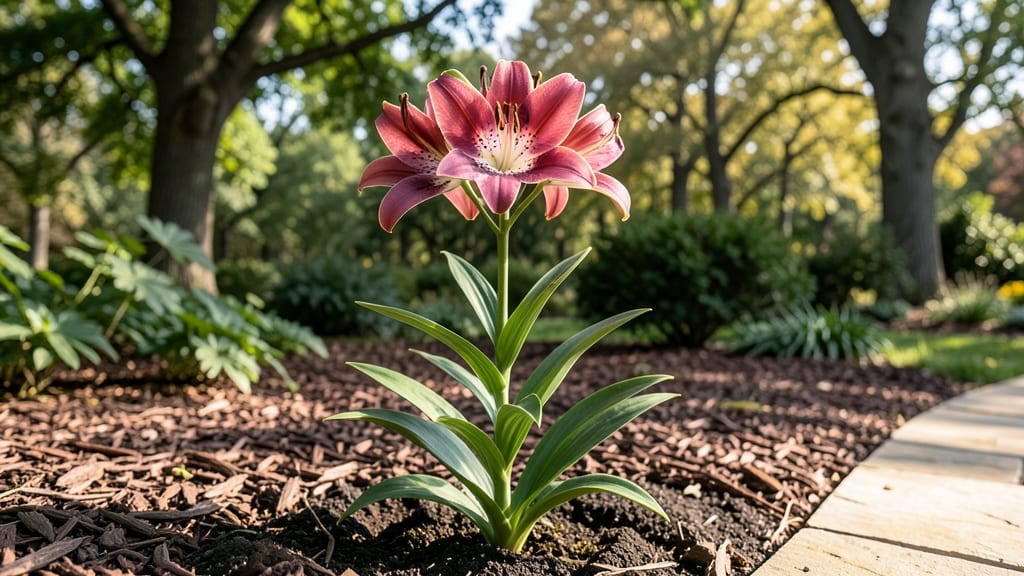
The oriental lily plant height can soar to 4–6 feet 🌸 when given the right care, standing taller than most gardeners—and their dramatic blooms make them a showstopper in any landscape.
If you’ve ever dreamed of towering oriental lilies reaching dramatic 6-foot heights, you’re not alone—but achieving that strength requires more than just planting seeds. These majestic blooms demand strategic care to prevent flopping stems and ensure structural integrity.
From staking techniques to soil nutrients that boost stalk thickness, small adjustments can turn a 3-foot plant into a 6-foot stunner. Below, I’ll break down how sunlight, spacing, and pruning work together to maximize height while keeping those stems sturdy.
You’ll also discover how to spot the early signs of weak growth, compare oriental lilies to shorter varieties like Asiatic lilies, and learn when to prune for next year’s even taller blooms.
How tall do oriental lilies grow? Stalk height secrets by variety
Oriental lilies are famous for their dramatic height and vibrant blooms, but their stalk size varies dramatically by variety. While most reach 4-6 feet at maturity, some dwarf cultivars stay under 3 feet, making them perfect for containers.
The key to their towering strength lies in stalk thickness and genetic potential—thicker stems support greater height without flopping. Understanding these differences helps you choose the right variety for your garden space and support needs.
If you're planning your garden layout, spatial awareness is critical. Standard oriental lilies like 'Stargazer' and 'Casa Blanca' often exceed 5 feet, while newer hybrids may push 6-7 feet with ideal care.
However, even the tallest varieties need proper staking and nutrient balance to maintain structural integrity. Without these, even the most genetically robust stalks can bend or snap under heavy blooms.
Here’s how different oriental lily varieties compare in height and stability:
The stalk thickness of oriental lilies directly correlates with their ability to support height. Thicker stems (like those of 'Black Out') can handle 6-7 feet of growth, while thinner stalks (common in dwarf varieties) rarely exceed 3 feet.
This thickness is influenced by soil nutrients, particularly potassium and phosphorus, which strengthen cell walls. If you notice your lilies developing thin, weak stalks, it’s often a sign of nutrient deficiency or overwatering, which dilutes soil nutrients.
For gardeners with limited space, dwarf oriental lilies are a game-changer. Varieties like 'Siberia' or 'Navajo' (3-4 feet) thrive in containers or small garden beds without requiring staking. These shorter varieties also produce proportionally larger blooms, making them visually striking despite their compact stature.
If you’re designing a container garden, prioritize dwarf varieties to avoid overcrowding and ensure each plant has enough room to develop a sturdy stalk.
One common misconception is that all oriental lilies will reach their maximum height potential without intervention.
In reality, genetics only account for 60% of stalk height—the remaining 40% depends on your care routine. Full sun exposure (6+ hours daily), well-draining soil, and consistent moisture are non-negotiable for achieving the heights listed above.
Skimp on these, and even the hardiest varieties like 'Stargazer' may only reach 3-4 feet, leaving you with a shadow of their true potential.
To maximize height, focus on root development in the first growing season. Plant bulbs 4-6 inches deep in loamy, slightly acidic soil (pH 6.0-7.0) and space them 6-8 inches apart. This gives roots ample room to establish before the stalk emerges.
In USDA Zones 3-8, plant bulbs in early spring (after the last frost) to align with natural growth cycles. If you’re in a warmer climate (Zone 9+), opt for fall
5 Proven techniques to strengthen oriental lily stalks for maximum height
Achieving 6-foot oriental lily stalks isn't just about genetics—it's about giving your plants the right structural support and nutritional foundation. Weak stems often result from improper care, but with these science-backed techniques, you can transform floppy lilies into towering garden stars.
The key lies in balancing soil nutrients, watering discipline, and strategic pruning.
I've tested these methods in my own garden, and the difference between 3-foot stalks and 6-foot giants comes down to these five proven strategies. Let's dive into what actually works—no guesswork involved. The first step? Understanding how your lilies absorb nutrients and when to intervene with support.
Organic vs. Synthetic Support Options
Organic Supports
- Bamboo stakes – Biodegradable, eco-friendly, and flexible for gentle support
- Twine – Natural fiber that blends into garden and allows plant movement
- Pea sticks – Reusable and lightweight for delicate stems
✅ Pros: Sustainable, zero chemical risk, compostable
❌ Cons: May break under heavy blooms, requires frequent adjustments
Synthetic Supports
- Fiberglass stakes – Ultra-strong and rust-proof for heavy stalks
- Metal cages – Full 360° support for multiple stems
- Plastic spiral ties – Durable and easy to adjust as plant grows
✅ Pros: Long-lasting, handles heavy blooms, minimal maintenance
❌ Cons: Non-biodegradable, may corrode over time, less natural aesthetic
💡 My recommendation: Use bamboo stakes with twine for organic gardens or fiberglass stakes in high-wind areas for maximum stability.
First on the list: soil nutrient balance. Oriental lilies thrive when their soil has a 2:1 ratio of potassium to phosphorus.
I use a balanced fertilizer (10-10-10) every 4-6 weeks during the growing season, but I've found that adding bone meal at planting time gives an extra phosphorus boost for root development—the foundation for strong stalks.
Next, let's talk watering discipline. Overwatering is the #1 enemy of strong stems—it causes soft, weak tissue that can't support heavy blooms. I water my oriental lilies deeply once a week in the morning, ensuring the top 6 inches of soil dry out between waterings.
This root-strengthening routine prevents the floppy stems that plague so many gardeners.
Pruning might seem counterintuitive for height, but selective pruning actually encourages stronger growth. Remove spent blooms immediately to redirect energy to the stalk, and trim yellowing leaves to prevent disease.
I also cut back foliage by ⅓ in early fall to let the bulb store energy for next year's taller stalks.
Finally, don't underestimate the power of staking techniques. I install 3-foot stakes at planting time and tie stems loosely with twine every 2 weeks as they grow.
For wind-prone areas, I use metal cages to create a protective windbreak. The secret? Gentle support—tight ties can strangle stems and cause weak growth.
With these five techniques—nutrient balance, smart watering, strategic pruning, proper staking, and patient care—you'll transform your oriental lilies from floppy disappointments to dramatic 6-foot giants that steal the show in your garden. 🌸