
Planting
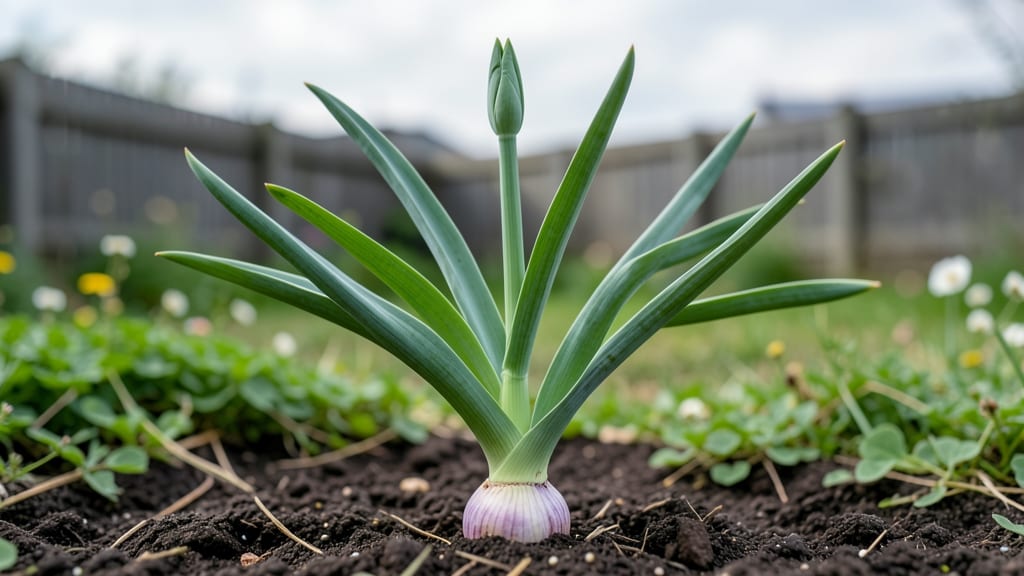
Your onion starts sprouting before spring planting? That’s a harvest-saver moment—don’t toss them yet. 🌱 I’ve pulled back from the brink with these same bulbs, and the fix is faster than you’d think.
The issue usually boils down to heat, light, or moisture, and the solution is adjusting storage conditions or timing.
Check your storage spot first: onions need cool (40–50°F), dry, and dark conditions. A paper bag in the fridge or a ventilated box works best.
If you spot mold or soft spots, those bulbs are done—discard them immediately. Pests like onion flies or mites can also trigger early sprouting, so inspect carefully.
For garden-ready onions, the fix is simple: plant them now if temperatures are right (soil above 40°F). If it’s too early, store them in a mesh bag for airflow until conditions improve. With the right timing, you’ll still get a full harvest—just a little later in the season.
Prevention is easy: store onions in a well-ventilated, dry spot and avoid washing them until planting. This keeps them fresh until spring, ready for a foolproof garden start. No more wasted bulbs!
The Hidden Triggers Behind Sprouting
When your onion starts sprouting, it’s not just a sign of age—it’s a survival response to environmental and biological cues. Understanding these triggers can help you intervene before your harvest goes to seed. Here’s why it happens, broken down into the key factors at play.
Onions (Allium cepa) are biennial plants, meaning they follow a two-year life cycle. In their first year, they focus on bulb development, storing energy for growth. But once they sense maturity or stress, they trigger a hormonal shift that kickstarts sprouting—essentially, their way of saying, “Time to reproduce!”
- Key Hormone: Gibberellins (growth hormones) rise, signaling the plant to shift from bulb storage to flower production.
- Result: The shoot (sprout) emerges from the top, followed by roots at the base, as the onion prepares to bolt (flower) and set seed.
- Actionable Insight: If you harvest onions before this shift (when the neck is dry but the bulb is firm), you can prevent sprouting. But once the shoot reaches 2–3 inches, it’s too late—the clock is ticking.
Onions are designed to last, but their shelf life is limited by their biological timeline. Even when stored properly, they’ll eventually sprout because they’re programmed to complete their life cycle.
| Onion Type | Average Storage Life | When Sprouting Starts |
|---|---|---|
| Yellow or Brown Onions | 2–3 months (fresh); 6–8 months (cured) | After 3–4 months in ideal conditions |
| White Onions | 1–2 months (fresh); 4–5 months (cured) | After 2–3 months |
| Red Onions | 1–2 months (fresh); 3–4 months (cured) | After 2 months (shorter shelf life) |
| Green Onions/Scallions | 1–2 weeks (fresh); 3–4 weeks (roots trimmed) | Within 1 week if left whole |
Why It Matters: Onions stored for too long deplete their natural sugars and moisture, weakening their resistance to sprouting. The older the bulb, the faster gibberellins activate.
Onions are sensitive to temperature swings, which can prematurely trigger sprouting. While they thrive in cool, dry conditions, heat or cold stress accelerates their life cycle.
- Too Warm (Above 70°F/21°C):
- Speeds up metabolic activity, depleting stored energy faster.
- Encourages microbial growth, weakening the bulb’s defenses.
- Fix: Store in a cool, dark place (40–50°F/4–10°C is ideal). Avoid basements with humidity or attics with heat.
- Too Cold (Below 32°F/0°C):
- Can cause chilling injury, making the onion more susceptible to sprouting.
- Freezing damages cells, triggering a repair response that includes shoot growth.
- Fix: Never refrigerate onions long-term—use them within 1–2 weeks if chilled.
- Temperature Swings:
- Rapid changes (e.g., moving from a warm kitchen to a cold fridge) confuse the onion’s biology, prompting sprouting as a stress response.
- Fix: Keep storage conditions stable. Use a pantry with consistent temps.
Onions need low moisture to stay dormant, but too little or too much water can backfire. Here’s how:
- High Humidity:
- Encourages mold and rot, which stress the onion into sprouting.
- Weakens the bulb’s outer layers, making it easier for shoots to break through.
- Fix: Store onions in a well-ventilated area (e.g., mesh bags, cardboard boxes) with <50% humidity.
- Low Moisture (Over-Drying):
- While low humidity prevents rot, extreme dryness can trigger sprouting as the onion conserves water by redirecting energy to reproductive growth.
- Fix: Aim for <60–70% humidity—not bone-dry, but not damp.
- Condensation:
- Moisture buildup (e.g., from washing or steam) confuses the onion’s signals, mimicking spring rains and prompting sprouting.
- Fix: Never wash onions before storage. Use a paper towel to dry them thoroughly.
Onions are photoblastic, meaning light exposure can directly trigger sprouting. Even indirect light sends signals to the bulb’s meristem (growth center) to wake up.
- Direct Sunlight:
- Activates phytochrome pigments in the shoot, accelerating growth.
- Fix: Store onions in opaque containers or dark pantry shelves.
- Indirect Light (e.g., Kitchen Counter):
- Even ambient light can weaken the bulb’s dormancy over time.
- Fix: Move onions to a fully dark space (e.g., closet with a lid).
- Green Stems:
- If the onion’s neck turns green, it’s already responding to light—sprouting is imminent.
- Fix: Trim the green shoot immediately to slow down the process (but expect regrowth).
Not all onions are created equal. Variety, age at harvest, and even growing conditions can predispose them to sprouting.
- Short-Day Onions:
- Varieties like Texas Early White or Yellow Granex mature faster and may sprout sooner if not harvested at peak ripeness.
- Fix: Harvest when the tops yellow and fall over but before they brown.
- Long-Stored Onions:
- Onions left in the ground too long
Quick Fixes to Stop Sprouting Onions
When your onions start sprouting, it’s a clear sign they’re shifting energy from storage to growth—but that doesn’t mean all is lost! With the right approach, you can salvage your harvest or even repurpose those sprouts.
Below are practical, step-by-step solutions tailored to the most common causes, plus prevention tips to keep future bulbs in peak condition.
Cause: Onions were pulled before fully maturing, forcing them to sprout prematurely. Fix: 🔥 📅 Wait It Out (If Possible)
- If your onions are still green and firm, leave them in the ground or hang them in a cool, dry, dark place (like a garage or basement).
- Sprouting may slow or stop if they’re not fully ripe yet. Check weekly—they’ll eventually dry out and stop growing.
🍳 👨🍳 Cook Them Up Fast
- Sauté or caramelize the onions (sprouts and all!) for soups, stir-fries, or pizza toppings. The sprouts add a milder, sweeter flavor—perfect for dishes where texture isn’t critical.
- Blend into sauces (like gravy or marinara) to hide the sprouts entirely.
🥘 🔪 Chop and Freeze
- Dice the onions (sprouts included) and freeze them in ice cube trays for later use in cooking. This preserves flavor and extends shelf life.
Cause: Onions were stored in a warm, humid, or light-filled space, triggering premature growth. Fix: ✨ 🌡️ Move to Ideal Storage Conditions - Cool (40–50°F) and dark is key.
A paper bag, mesh sack, or cardboard box in a pantry or basement works best. - Avoid refrigeration—cold temps convert starches to sugar, making onions sweeter and more prone to spoilage.
💡 🔥 Speed Up Drying (If Already Sprouting)
- Lay onions in a single layer on a tray in a well-ventilated, shaded spot (like a porch or garage).
- Within 1–2 weeks, they’ll dry out and stop sprouting, becoming longer-lasting for storage.
Cause: Exposure to light or moisture after cutting accelerates sprouting. Fix: 🔪 🍳 Use Them Immediately
- Cook the entire bulb (including the base) in dishes like onion rings, fritters, or caramelized onions. The sprouts won’t overpower the flavor.
🥗 💪 Store Cut Onions Properly
- If you must save them, submerge the base in water (like a flower arrangement) in a sealed container in the fridge.
- Change the water daily to prevent bacterial growth. Use within 3–5 days.
Want to avoid sprouting altogether? Follow these pro tips for longer-lasting onions:
🎯 🌡️ Cure Onions Properly Before Storage
- After harvesting, lay them in a dry, shaded area for 2–3 weeks to toughen skins and reduce moisture.
🔥 📦 Store in Low-Humidity Spaces
- Avoid plastic bags—they trap moisture. Instead, use breathable fabric sacks or wooden crates.
🌿 🌱 Choose the Right Variety
- Storage onions (like Yellow or Red Globe) last longer than green onions or shallots, which are more prone to sprouting.
✨ 🍎 Test for Doneness Before Pulling
- Onions are ready when neck papery and tops yellow/brown. Pulling too early = sprouting later!
If your onions are too far gone, don’t toss them!
Try these creative uses: - 🌱 Onion Sprout Salad – Thinly slice sprouts and mix with greens, lemon, and olive oil. - 🍲 Onion Sprout Pesto – Blend with garlic, nuts, and Parmesan for a unique twist. - 🥘 Fermented Onions – Lacto-ferment sprouted onions in brine for a tangy, probiotic-rich condiment.
Final Thought: Sprouting onions aren’t a total loss—they’re just redirecting their energy. With these fixes, you can save, cook, or prevent future sprouts while keeping your harvest delicious! 🍴🌱
Frequently asked questions
Why do my onions start sprouting before spring planting?
Onions sprout prematurely due to heat, light, or moisture—their natural survival response to stress. When stored in warm spots (above 70°F) or exposed to light, they trigger growth hormones to prepare for flowering. Even slight moisture changes can confuse their dormancy cycle.
Can I still use onions that have already sprouted?
Sprouted onions are still edible and often sweeter due to starch conversion. Use them in cooked dishes like soups, stir-fries, or caramelized onions. For raw use, thinly slice the sprouts for salads—they add a mild, fresh flavor. Just avoid storing them longer if they've already bolted.
How can I prevent future sprouting in stored onions?
Store onions in a cool (40–50°F), dark, and dry place using paper bags or mesh sacks for airflow. Avoid refrigeration (it speeds up sugar conversion) and keep them away from potatoes (ethylene gas accelerates sprouting). Cure freshly harvested onions for 2–3 weeks in a shaded spot first.
Will cutting off the sprout stop further growth?
Trimming the sprout may slow it down temporarily, but it won't stop the process completely. The onion's growth hormones are already activated. For best results, use the onions immediately after trimming or store them in ideal conditions to delay further sprouting. If the base starts rooting, it's too late—the bulb is committed to flowering.
Are there onion varieties less prone to sprouting?
Yes! Yellow or Red Globe onions store longer than white onions or shallots. For gardeners, short-day varieties (like Texas Early White) mature faster but may sprout sooner if not harvested at peak ripeness. Always check the variety's storage recommendations when purchasing seeds or bulbs.