
Plants
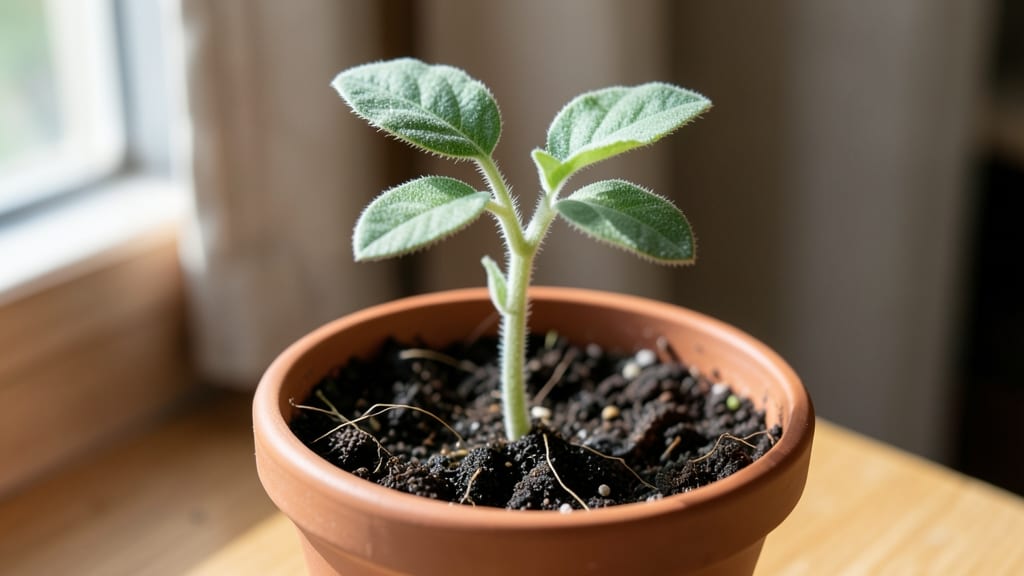
Those tiny seedlings could be your future black-eyed Susan vine—if you master black-eyed Susan vine seedling identification early. 🌱 The key lies in those first leaves: Thunbergia alata seedlings have heart-shaped leaves with jagged edges, while lookalikes like coneflowers show up with completely different shapes.
I learned this the hard way after mistaking a batch for something else and watching them grow into the wrong plant entirely. The stems give away another secret: true black-eyed Susan vines grow hairy stems when young, while similar vines stay smooth.
Check the growth pattern too—real vines climb naturally, even as seedlings, while ground-hugging plants aren't what you want. A magnifying glass helps when leaves are too small to see clearly, but your eyes alone work fine with practice.
By the time they're a few inches tall, you'll notice the distinctive veining—prominent and slightly wavy—that sets them apart from other vines. These details matter because proper care (like trellises and sunlight) depends on knowing exactly what you're growing. Misidentification can mean wasted time or dead plants by summer.
Here's the good news: even if you're unsure at first, watching the plant's behavior over a week confirms the ID. True black-eyed Susan vines show rapid upward growth and develop those signature yellow-orange blooms by midseason—if you've got the right plant to begin with.
Mistaken Seedling Misidentification Causes
Black-eyed Susan vine seedlings (Thunbergia alata) can easily be confused with other plants due to their delicate early growth stages. Understanding why misidentification happens helps gardeners spot key differences early. Here’s a breakdown of the most common culprits and their scientific roots:
Many vining plants share similar juvenile features, like lobed leaves or rapid stem elongation. Black-eyed Susan vine seedlings often resemble:
- Morning glory (Ipomoea spp.): Both produce heart-shaped leaves and twining stems, but morning glory seedlings lack the distinctive veining pattern and hairy stems of Thunbergia alata. Morning glories also tend to have smoother leaf edges in early stages.
- Sweet potato vine (Ipomoea batatas): The leaves can look identical at first glance, but sweet potato vine seedlings grow thicker, fleshy stems (adapted for tuber formation) and often exhibit purple-tinged undersides on leaves.
- Cobaea scandens (Cup-and-Saucer Vine): This vine has deeply lobed leaves that mimic Black-eyed Susan’s, but its seedlings develop bell-shaped flowers early (unlike Thunbergia, which flowers later in the season).
Why it happens: Both plants rely on rapid photosynthesis in low-light conditions, leading to similar leaf shapes. However, Thunbergia prioritizes stem flexibility (for twining) over leaf mass, while others invest in storage tissues (e.g., sweet potato’s tubers).
Black-eyed Susan vine seedlings often don’t display their full leaf shape until the third or fourth true leaves emerge. Early leaves may appear:
- Simple and oval (resembling basil or coleus seedlings).
- Light green or variegated due to chloroplast distribution adjusting to light exposure.
- Slightly serrated edges (a precursor to the mature 3-lobed pattern).
Why it happens: This is a developmental adaptation to maximize water retention in young plants. The vine’s C3 photosynthetic pathway (common in warm climates) requires efficient gas exchange, so leaves start small to reduce transpiration until the plant establishes deeper roots. Overwatering seedlings can delay this process, keeping leaves underdeveloped longer.
The twining habit of Black-eyed Susan vine is its most distinctive trait—but it’s also the most misunderstood. Here’s why stems get mixed up:
| Feature | Black-Eyed Susan Vine | Common Look-Alikes |
|---|---|---|
| Stem Texture | Slightly fuzzy (trichomes for moisture retention) | Morning glory: Smooth or slightly waxy |
| Growth Direction | Clockwise twining (right-handed helix) | Cobaea: Counterclockwise (left-handed) |
| Node Spacing | 1–2 inches apart (compact for rapid climbing) | Sweet potato vine: 3+ inches apart (slower, bushier) |
Why it happens: The vine’s helical twining is an evolutionary response to support its weight as it climbs. Unlike self-supporting vines (e.g., wisteria), Thunbergia lacks woody stems early on, making it softer and more pliable. This flexibility can make it harder to grip when identifying, especially in low-light conditions where stems may appear paler or thinner.
💡 Pro Tip: If you’re unsure, wait 7–10 days—Black-eyed Susan seedlings develop distinctive silver hairs on stems and darker veins in leaves as they mature. For a definitive test, gently pinch a leaf: Thunbergia leaves crinkle slightly due to their thin cuticle, while imposters (like morning glory) stay stiffer.
Quick Fixes for Seedling Confusion
Once you’ve identified your black-eyed Susan vine seedlings (or suspect they’re something else!), the next step is ensuring they thrive—or troubleshooting if they’re struggling. Here’s how to address common issues and keep your seedlings healthy with practical, step-by-step solutions.
---
If you’re unsure whether your seedlings are Thunbergia alata (black-eyed Susan vine) or an imposter like morning glories or sweet potatoes, double-check these traits before committing to care:
- 🔍 Leaf Shape Test: Black-eyed Susan vine leaves are heart-shaped with pointed tips and smooth edges.
Morning glory leaves are more lobed or arrowhead-shaped, while sweet potato leaves are deeply lobed with jagged edges. - 🌿 Stem Check: Black-eyed Susan vines have thin, trailing stems with hairy textures near the leaves.
Morning glories have smooth, square stems, and sweet potato vines are thicker and woody. - 🌸 Flower Preview: If seedlings have tiny trumpet-shaped buds, they’re likely morning glories. Black-eyed Susan flowers are star-shaped with a dark "eye"—wait for blooms to confirm!
✨ Pro Tip: Snap a photo and compare it to a [plant ID app](https://apps.apple.com/us/app/plantnet/id1170577121) or consult a local nursery expert before transplanting. Misidentifying your plant could mean wasted effort or accidental herbicide use!
---
Even confirmed black-eyed Susan vine seedlings can face issues. Here’s how to diagnose and solve common problems:
#### 💧 Overwatering or Underwatering? Symptoms: Yellowing leaves, mushy stems, or crispy edges. Fix It: - 🔥 Check the Soil: Stick your finger 1 inch deep—if it’s soggy, reduce watering.
If dry, water deeply but less frequently (black-eyed Susans prefer moderate moisture but hate soggy roots). - 🍳 Drainage First: Ensure pots have drainage holes and use a well-draining mix (50% potting soil + 50% perlite or sand). - 👨🍳 Adjust Your Routine: Water when the top inch of soil feels dry (usually 2–3 times per week in warm weather).
💡 Prevention: Use a self-watering pot or mulch to retain moisture without overdoing it.
---
#### ☀️ Leggy or Weak Seedlings? Symptoms: Tall, spindly stems with few leaves, leaning toward light. Fix It: - 🌿 Move to Brighter Light: Black-eyed Susan vines need 6+ hours of sunlight daily.
If indoors, place near a south-facing window or use a grow light. - 🔪 Prune Strategically: Pinch back the top set of leaves to encourage bushier growth.
This redirects energy to stronger stems. - 🥘 Fertilize Lightly: Use a balanced, water-soluble fertilizer (10-10-10) every 4–6 weeks to boost vigor.
🎯 Prevention: Start seedlings in full sun from the beginning. If growing indoors, rotate pots weekly for even light exposure.
---
#### 🐜 Pest Problems? Symptoms: Holes in leaves, sticky residue, or tiny bugs crawling on stems. Fix It: - 🔪 Inspect & Remove: Check for aphids, spider mites, or whiteflies.
Use a strong stream of water to knock off pests or neem oil spray (mix 1 tbsp neem oil + 1 tsp mild soap + 1 quart water). - 🌡️ Boost Plant Health: Healthy seedlings resist pests better.
Ensure proper light, water, and nutrition (see above). - 🛡️ Prevent Future Infestations: Isolate new seedlings for a week before introducing them to other plants.
✨ Pro Tip: Introduce beneficial insects like ladybugs (they eat aphids!) or plant companion herbs (like basil) to deter pests naturally.
---
#### 🌡️ Temperature or Humidity Issues? Symptoms: Wilting, brown leaf tips, or slow growth. Fix It: - 🌡️ Ideal Conditions: Black-eyed Susan vines thrive in 60–75°F temperatures.
If too cold (<50°F), move indoors or cover with frost cloth. - 💧 Humidity Help: If air is dry (common indoors), mist leaves lightly or place a humidity tray (pebbles + water) nearby. - 🌿 Acclimate Gradually: If moving outdoors, harden off seedlings by exposing them to 1–2 hours of outdoor light daily for a week before full transplant.
💡 Prevention: Avoid placing seedlings near drafty windows, AC vents, or heaters.
---
If your seedlings are ready to move outdoors but struggling: - 🌱 Choose the Right Time: Wait until nighttime temps stay above 50°F (usually after the last frost). - 🍳 Dig Deep & Wide: Black-eyed Susan vines have shallow roots but need space to trail.
Plant 6–12 inches apart in well-draining soil. - 👨🍳 Support Growth: Use a trellis, fence, or cage to guide vines upward—this prevents root rot and encourages bushier growth. - 🥘 Mulch Matters: Apply 2–3 inches of mulch (straw or shredded leaves) to retain moisture and regulate soil temp.
✨ Pro Tip: Water thoroughly after transplanting to reduce shock. Avoid fertilizing for 2 weeks to let roots establish.
--- | Symptom | Likely Cause | Solution | |---------------------------|---------------------------|---------------------------------------| | Yellow leaves | Overwatering | Let soil dry; improve drainage | | Crispy leaf edges | Underwatering | Water deeply; mulch to retain moisture| | Leggy, weak stems | Too little light | Move to brighter spot; prune to encourage bushiness | | Holes in leaves | Pests (aphids, mites) | Spray with neem oil; introduce ladybugs | | Wilting | Temperature shock | Acclimate gradually; avoid drafts | | Slow growth | Poor soil/nutrition | Fertilize lightly; use well-draining mix |
Frequently asked questions
What are the key differences between black-eyed Susan vine seedlings and morning glory seedlings?
Black-eyed Susan vine seedlings have heart-shaped leaves with jagged edges and hairy stems, while morning glory seedlings show smoother leaves with arrowhead shapes and smooth stems. The vine also twines clockwise (right-handed helix), unlike morning glory's counterclockwise growth.
How can I tell if my seedling is a black-eyed Susan vine or sweet potato vine?
Check the stem thickness—black-eyed Susan vines have thin, trailing stems, while sweet potato vines grow thicker, woody stems. Also look for purple-tinged undersides on sweet potato leaves, which black-eyed Susan vines lack.
When will my black-eyed Susan vine seedlings develop their signature flowers?
True black-eyed Susan vines typically produce star-shaped yellow-orange blooms with dark centers by mid-to-late summer, about 3-4 months after planting. If you see trumpet-shaped flowers earlier, it's likely a morning glory imposter.
Can I use a plant identification app to confirm my seedling's identity?
Apps like PlantNet or PictureThis can help verify your seedling's identity by comparing leaf shape, stem texture, and growth patterns. Just snap clear photos of both the leaves and stems for best results.
What should I do if I accidentally planted the wrong vine?
Don't panic! If you've planted morning glory or sweet potato vine instead, you can still enjoy them—they're non-toxic and great for pollinators. Just adjust care: morning glories need more water, while sweet potato vines thrive in drier conditions.