
Planting
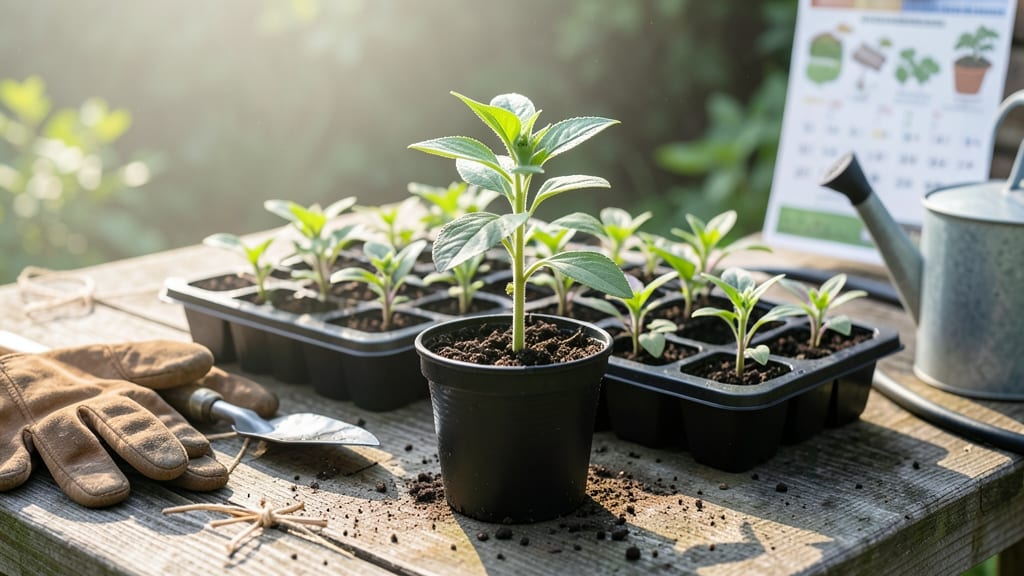
Planting zinnias too late can turn your summer garden into a missed opportunity for vibrant blooms, but knowing the exact cutoff for your zone makes all the difference.
Picture this: you’ve got your seeds ready, the soil is warm, and then—one unexpected frost wipes out everything. Zinnias are tough, but timing is everything, and the wrong move leaves you with stunted plants instead of the bold, cheerful 🌼 displays you’re dreaming of.
Most gardeners in USDA Zone 6a (like me!) have until mid-June to plant zinnias for reliable blooms, but warmer climates can stretch that window even later. The key is understanding your frost-free days, soil temperature, and how late-season heat affects germination.
Below, I’ll break down the last safe planting dates by zone, red flags that signal you’ve waited too long, and pro tips to push zinnias past their usual limits—so you can enjoy those cheerful blooms well into fall.
Zinnia planting deadlines by USDA hardiness zones: a month-by-month guide
Timing your zinnias correctly ensures vibrant blooms all summer, but late plantings can lead to stunted growth or frost damage. The USDA hardiness zone you live in determines your ideal planting window—some regions can plant until July, while others must start by March.
Let’s break down the exact deadlines by zone to maximize your zinnias’ potential.
Zinnias thrive in warm soil (at least 50°F/10°C) and need 6-8 weeks to mature before the first frost. In cooler zones (3-5), you’ll have a shorter window, while warmer zones (8-11) can push boundaries with fall plantings.
Always check your last frost date—planting too late risks weak stems or no blooms at all.
Pro Tip: Use a frost-free date calculator (like the Old Farmer’s Almanac) to pinpoint your exact cutoff. For example, Minnesota (Zone 4) has a May 15 deadline, while Southern California (Zone 10) can plant until September. Regional microclimates (like urban heat islands) may extend your window by 1-2 weeks.
Here’s your zone-by-zone breakdown for spring and fall plantings, including adjustments for high-altitude areas or coastal regions:
| USDA Zone | Last Spring Planting Date | Fall Planting Deadline | Notes |
|---|---|---|---|
| 3-4 | May 1–15 | Not recommended | Start indoors in March for transplanting. |
| 5 | April 30–May 10 | Not recommended | Use row covers for early starts. |
| 6 | May 15–June 1 | September 1–15 | Fall plantings need 6+ weeks before frost. |
| 7 | June 1–15 | September 15–October 1 | Heat-tolerant varieties like ‘Benary’s Giant’ work best. |
| 8 | June 15–July 1 | October 1–15 | Fall plantings thrive with daily watering. |
| 9-10 | July 1–August 15 | October 15–November 1 | Succession plant every 2 weeks for continuous blooms. |
| 11 | August 1–September 1 | Year-round (with irrigation) | Use shade cloth in peak summer heat. |
For high-altitude gardens (e.g., Denver, CO), subtract 2-3 weeks from these deadlines due to cooler nights. Conversely, coastal zones (e.g., San Francisco) can extend fall plantings by 10-14 days thanks to milder microclimates.
Always monitor soil temperatures—zinnias won’t germinate below 50°F (10°C), even if air temps are warmer.
If you’re in Zone 6 or below and miss the spring deadline, consider container gardening on a patio or balcony. Containers warm up faster and can be moved to protected spots at night.
For Zones 7-10, fall plantings are ideal—zinnias bloom faster in cooler weather, giving you October-November color before frost.
Watch for slow germination or yellowing leaves as signs you’ve planted too late. These issues often mean the plant is struggling to establish roots before heat stress or frost sets in. In such cases, switch to heat-tolerant varieties like ‘Profusion’ series, which handle 90°F+ temps better than standard zinnias.
Remember: Succession planting every 2-3 weeks ensures a steady supply of blooms. Even if you’re late
5 Signs you’ve missed the zinnia planting window (and how to fix it)
If your zinnias look more like sad stalks than vibrant blooms, you might have missed the ideal planting window. Zinnias thrive when planted after the last frost, but late plantings can lead to stunted growth or weak stems.
Even experienced gardeners sometimes misjudge timing—especially in unpredictable climates—but there are ways to salvage your garden.
The key is recognizing early warning signs and acting fast. Whether you’re dealing with slow germination or pest pressure, these red flags can help you decide whether to push through or try a different approach. Let’s break down the most common signals and your best options for recovery.
🌱 Numbered Highlights: How Late Is Too Late?
- 1. Seedlings take 3+ weeks to sprout → Soil may be too cold (below 50°F). Try container gardening with heat mats or a greenhouse.
- 2. Plants grow leggy and weak → Lack of sunlight (less than 6 hours/day). Move to a sunnier spot or use grow lights.
- 3. Blooms appear small or sparse → Late planting (after July) cuts flowering time. Opt for fast-blooming varieties like 'Thumbelina' or 'Crystal.'
- 4. Pests (aphids, spider mites) attack aggressively → Weak plants struggle to defend. Use neem oil or row covers for protection.
- 5. Stems flop over or snap easily → Poor root establishment. Add mulch and stake plants immediately.
Don’t panic if you see these signs—zinnias are resilient! For example, if your seedlings are struggling due to cool soil temperatures, try planting in containers filled with warm compost. This gives roots a head start in controlled warmth while the ground outside remains chilly.
Another trick is to choose cold-hardy varieties like 'Profusion' or 'Benary’s Giant,' which tolerate cooler nights better than others. These can buy you extra time if you’re on the cusp of the planting window.
Pair them with a lightweight row cover to shield young plants from late frosts or heavy rain.
If your zinnias are already planted but showing signs of stress, focus on soil health and watering consistency. Amend the soil with compost to improve drainage, and water deeply in the morning to prevent fungal issues.
Avoid overwatering—zinnias hate soggy roots—but keep the soil evenly moist during their critical first 4 weeks.
Remember, even if you’ve missed the perfect planting window, zinnias can still reward you with months of color if you act quickly. With the right adjustments—whether it’s container gardening, row covers, or pest control—you can turn wilted dreams into a late-season blooming success. 🌼