
Planting
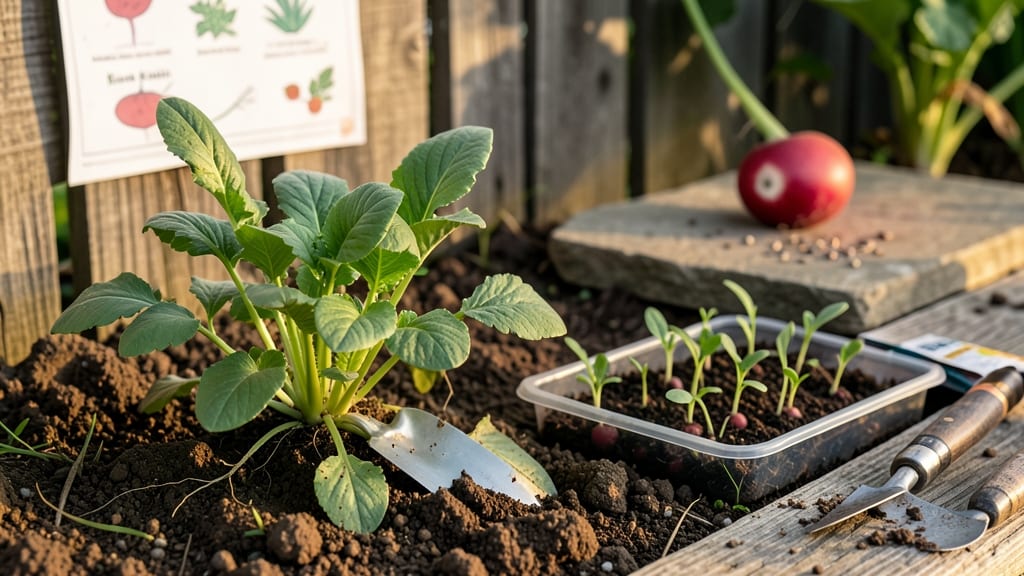
It is too late to plant radishes in cool weather? Not necessarily—you can still yield a fast harvest with the right timing and varieties 🥕.
If you’re staring at your garden plot wondering whether to plant radishes this season—or if you’ve already missed the boat—here’s the good news: radishes thrive in cool weather and can often be planted well into fall (or even early spring).
Most gardeners assume spring is the only window, but radishes are one of the few crops that actually prefer cooler temperatures, making late-season planting a smart move. The key is choosing quick-maturing varieties and timing your last planting so you harvest before hard frost.
Below, I’ll break down how late you can plant in your zone, the fast varieties for fall, and a few tricks to extend your season—even if your calendar says it’s too late.
When to plant radishes: ideal windows for fast harvests
Radishes are one of the fastest-growing vegetables in your garden, but timing is everything for a successful harvest. The ideal soil temperature for planting radishes ranges between 40°F and 75°F, making them perfect for spring and fall seasons.
If you're asking, "Is it too late to plant radishes?" the answer depends on your climate zone and variety—some can thrive even in cooler weather.
In most regions, spring planting begins 4-6 weeks before your last frost date, while fall planting should happen 6-8 weeks before the first frost. For example, in Zone 5, spring planting starts in early March, and fall planting can extend into early September.
The key is avoiding hot summer months, which cause radishes to bolt prematurely.
Here’s a quick guide to help you decide if it’s still worth planting radishes in your area:
For early-season planting, aim to sow seeds as soon as the soil is workable in spring. In my Zone 6 garden, I start radishes in late February under row covers to jumpstart growth. This gives me a head start before the last frost, ensuring a harvest by mid-April.
If you’re in a warmer zone like Zone 9 or 10, you can plant radishes year-round with minimal breaks, thanks to milder winters.
If you’re asking, "Is it too late to plant radishes in July?" the answer is usually yes—unless you’re in a high-altitude or coastal area with cooler summers. Radishes bolt (go to seed) quickly in temperatures above 75°F, ruining their tender texture.
Instead, opt for late-summer varieties like 'Black Spanish' or 'Daikon,' which handle heat slightly better and mature faster.
In fall planting, the goal is to time your last crop so roots mature before hard frosts. For example, in Zone 7, I plant radishes in early September to harvest by late October. If you’re unsure, use a frost calculator to estimate your local frost dates.
Even if you miss the ideal window, you can still try container growing on a patio or balcony, where you have more control over temperature and sunlight.
One of my favorite tricks for extending the radish season is succession planting. Instead of sowing all seeds at once, plant small batches every 2-3 weeks in spring or fall. This ensures a steady supply of fresh radishes and reduces the risk of bolting or overcrowding.
For example, I plant 50 seeds every week in May for a continuous harvest through June.
If you’re in a northern climate (Zones 1-4), don’t give up on radishes just because summer is here. Try shade cloth or a hoop house to create cooler microclimates. I’ve successfully grown radishes under 30% shade cloth in July, delaying bolting by 2-3 weeks.
Just be prepared to thin seedlings more carefully, as they’ll compete for space in warmer conditions.
Remember, radishes are fast growers, with many varieties maturing in just 20-30 days. This means you can often fit in a last-minute planting even if you’re a few weeks late.
For instance, if you’re in Zone 5 and it’s early September, plant 'Early Scarlet Globe'—it matures in 25 days, giving you time to harvest before frost.
Don’t let the fear of missing the perfect window stop you from growing radishes. With the right variety selection
Best radish varieties for late-season planting: fast-growing picks
If you're still hoping to grow radishes this season, don't worry—late-season planting is absolutely possible with the right varieties. The key is choosing fast-maturing types that thrive in cooler temperatures. These varieties can give you a harvest in just 20-30 days, making them perfect for fall gardens.
Cool weather actually improves radish flavor, so planting in late summer or early fall often yields sweeter, crunchier roots. The trick is selecting varieties that won't bolt (go to seed) quickly when temperatures dip. For Zone 5-8 gardeners, this means planting between mid-August and mid-September for a fall harvest.
My top recommendation for late-season planting is 'Cherry Belle', a classic red radish that matures in just 25 days. It handles cooler temperatures beautifully and develops a sweet, crisp flavor that's perfect for fresh eating.
Another favorite is 'French Breakfast', which produces long, slender roots with a mild, peppery taste—ideal for slicing into salads.
For something more colorful, try 'Easter Egg' radishes, which come in a rainbow of colors and mature in about 30 days. These varieties are also bolting-resistant, meaning they won't rush to flower when temperatures drop.
If you're in a warmer climate (Zone 9-10), you can even plant these varieties in late fall for a winter harvest.
Don't overlook 'Watermelon' radishes either—they're stunning with their pink-and-green striped roots and have a buttery, sweet flavor. These take slightly longer (30-35 days), but they're worth the wait for their unique appearance and taste.
All of these varieties perform well in containers or raised beds, making them great for small spaces or urban gardens.
When choosing seeds, look for cool-season labels and avoid heat-tolerant varieties like 'Black Spanish', which prefer warmer weather. With the right variety, you can enjoy fresh radishes well into fall—sometimes even after the first frost! Just be sure to harvest before hard freezes to avoid woody roots.