
Planting
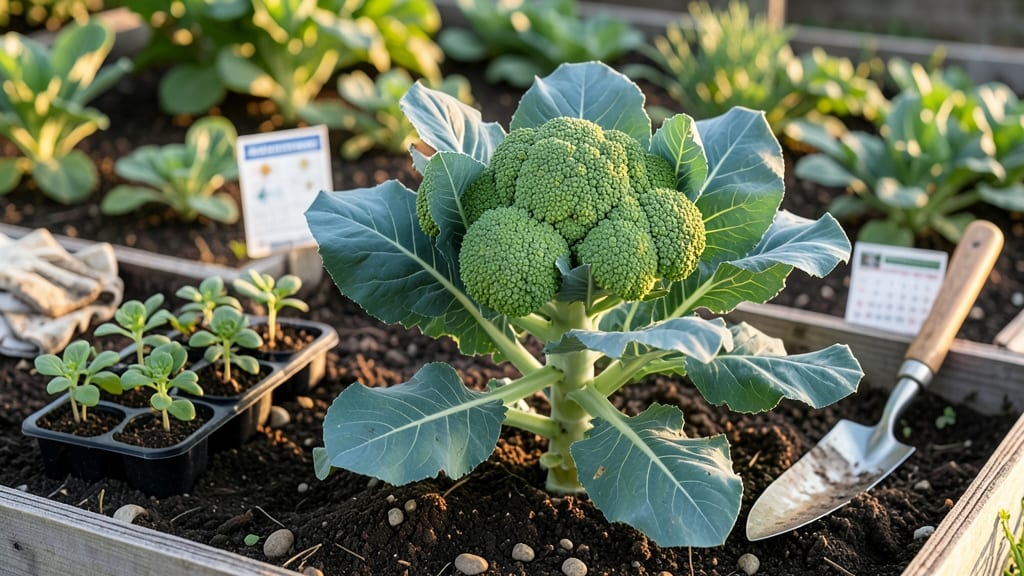
Planting broccoli too late can still yield a harvest if you time it right and use a few smart tricks—especially in USDA Zone 6a or similar climates.
If you’ve been eyeing that fall broccoli harvest but missed the traditional August-September window, don’t toss your seeds just yet. With the right approach—like choosing fast-maturing varieties or protecting seedlings from early frost—you can still grow 🥦 broccoli that’s ready by October or November.
Cool-season crops like broccoli thrive when temperatures drop, making late summer or early fall the perfect second chance. The key is planting 8-10 weeks before your first frost, adjusting for your local climate.
For example, in Zone 6a, that means seeds in the ground by early September can still produce a harvest before winter sets in.
Below, I’ll walk you through the last-minute steps to maximize your chances, from selecting frost-tolerant varieties to extending the growing season with row covers. Ready to salvage your garden?
When is the absolute last chance to plant broccoli for fall?
Determining the absolute last chance to plant broccoli for fall depends on your USDA hardiness zone and local frost dates. While most gardeners aim to plant 8-10 weeks before the first frost, late-season varieties and protective techniques can push that window further.
For example, in Zone 5-7, you might still have time if you plant by mid-to-late August, while Zone 8-10 gardeners could extend planting until early October.
Broccoli thrives in cool soil temperatures between 40°F and 80°F. If your soil stays above 80°F for too long, seedlings will struggle to establish roots. Always check your local frost dates—they’re your best guide.
For instance, in Zone 6a, where the first frost typically arrives around October 15, planting by early September ensures a harvest before winter sets in.
Here’s the key: Soil temperature matters more than air temperature. Use a soil thermometer to confirm readings are below 80°F before planting. If your soil is still too warm, wait a few weeks or opt for shade cloth to lower temperatures.
In hot climates like Zone 9-10, you might even plant as late as November with protective measures.
| USDA Zone | Last Planting Window | Soil Temp Threshold | Expected Harvest |
|---|---|---|---|
| Zone 3-4 | Mid-July to early August | Below 70°F | Late September to October |
| Zone 5-6 | Late July to mid-August | Below 75°F | October to early November |
| Zone 7-8 | Early August to early September | Below 80°F | November to December |
| Zone 9-10 | Mid-August to October | Below 85°F | December to January |
*Adjust dates based on your local frost dates and microclimate conditions.
Regional variations play a huge role. Coastal areas with milder winters (like Zone 9) can plant broccoli as late as October, while inland regions may need to plant by mid-August to avoid frost.
For example, in California’s Central Valley, gardeners often plant broccoli in October for a winter harvest, while New England gardeners wrap up by early August.
If you’re in a warmer climate but still unsure, try succession planting every 2-3 weeks until your last planting date. This staggered approach ensures a continuous harvest.
For instance, in Zone 8, planting in early August, mid-August, and late August can give you broccoli in October, November, and even December with protection.
Don’t overlook fast-maturing varieties like ‘De Cicco’ or ‘Calabrese’, which can go from seed to harvest in as few as 50 days. These are ideal for late-season planting because they reach maturity before frost.
Pair them with row covers or cold frames to extend the season even further. In my Zone 6a garden, I’ve successfully harvested broccoli planted in late August by using a floating row cover.
One common mistake is planting too late without considering daylight hours. Broccoli needs 6+ hours of sunlight daily, but shorter fall days can slow growth. If your plants aren’t getting enough light, supplement with a grow light or choose a south-facing bed for maximum exposure.
In northern latitudes, this might mean planting closer to the equator-facing side of your garden.
For container gardeners, the last chance to plant broccoli is slightly earlier—typically 4-6 weeks before your first frost—because pots cool down faster. Use black containers to absorb heat during the day and insulated planters to retain warmth at night.
In Zone 7, I’ve had success with container-grown broccoli planted in mid-September by moving pots to a garage or shed overnight if frost is forecasted.
Always monitor your plants for early frost signs, like yellowing leaves or stunted growth. If frost is imminent, cover plants with lightweight blankets or burlap sacks to protect them. Even a light frost can damage broccoli, but a heavy frost will kill the plant entirely.
In Zone 5, I’ve saved late-season broccoli by covering it with straw mulch and a tarp during overnight frosts.
If you’re on the fence about planting, consider starting seeds indoors 4-6 weeks before your last outdoor planting date. Transplant seedlings outdoors when they’re 4-6 inches tall and soil temperatures drop below 80°F.
This method buys you extra time—indoor starts can be moved outside as late as early September in Zone 6 for a late fall harvest
How to extend broccoli growing season: cold-hardy varieties & techniques
Late-season broccoli harvests are absolutely possible with the right cold-hardy varieties and protective techniques. I’ve successfully grown broccoli well into November in my Zone 6a garden using these strategies. The key lies in selecting frost-tolerant types and creating microclimates that shield plants from harsh weather.
Start with cold-resistant broccoli varieties like 'Waltham 29' or 'De Cicco'. These varieties can handle light frosts and even produce sweeter flavors when exposed to 30-35°F temperatures. Pair them with row covers or low tunnels to extend your harvest window by 4-6 weeks beyond typical frost dates.
Before planting, enrich your soil with compost and aged manure to boost nutrient availability during cooler months. Broccoli needs consistent nitrogen and phosphorus to form strong heads, especially when growing in shorter daylight conditions. I recommend adding a balanced fertilizer (10-10-10) at planting and again 6 weeks later.
Here’s how to balance late planting benefits and challenges:
Late Broccoli Planting: Pros & Cons
Pros
- Longer harvest window: Extends fresh broccoli availability into late fall
- Frost-sweetened flavor: Light frosts improve taste and texture
- Pest reduction: Cooler weather deters many common garden pests
- Succession planting: Allows multiple harvests before winter
Cons
- Slower growth: Shorter daylight reduces head development speed
- Higher moisture needs: Cooler temps increase fungal risks
- Limited variety selection: Only cold-hardy types work well
- Weather unpredictability: Early frosts can still damage plants
For maximum protection, use floating row covers or hoop houses to create a 5-10°F warmer microclimate. I’ve seen broccoli thrive under these covers even when nighttime temps drop to 25°F. Always secure covers tightly to prevent wind damage and remove them during the day for pollination and ventilation.
Mulch heavily with straw or shredded leaves to insulate roots and maintain even soil temperatures. This simple technique can add 2-3 weeks to your growing season by preventing rapid temperature swings. Pair this with drip irrigation on a timer to maintain consistent moisture without overwatering.
Remember that late-planted broccoli may produce smaller heads but will be just as flavorful. Focus on side shoots for continuous harvests—these often develop better in cooler weather. With these techniques, I’ve harvested broccoli well into December in mild winters, proving that late planting isn’t just possible—it’s rewarding!