
Planting
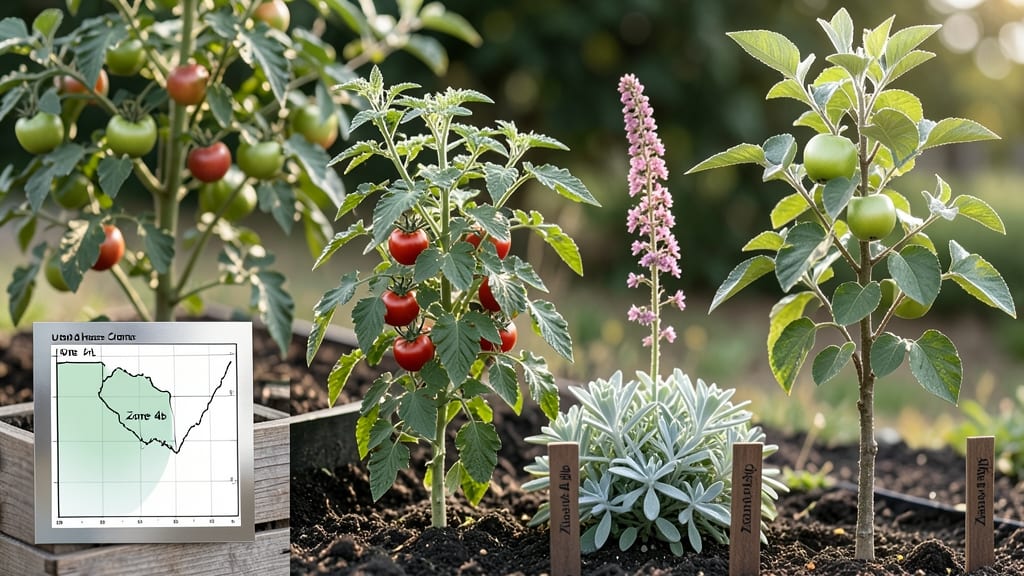
Hardiness Zone 4B supports cold-resistant plants that thrive in average winter lows of -25°F to -30°F (-32°C to -34°C), making it ideal for hardy perennials like coneflowers and lavender while challenging tropical varieties. Extend growing seasons for vegetables like tomatoes with protective covers and cold frames.
Zone 4B's freezing winters demand careful plant selection, but the right strategies can transform your garden into a year-round oasis. 🌱 The key is matching plants to your specific microclimate—some areas may experience milder winters due to lake effects or urban heat islands.
For example, Russian sage and catmint often outperform even in the coldest pockets of Zone 4B, while peonies might need winter mulch to prevent heaving. The USDA's zone map provides a starting point, but local nurseries and experienced gardeners often know which varieties perform best in your specific conditions.
When extending seasons, focus on timing—early spring and late fall are your best windows. Cold frames can add 10-15°F of protection, while row covers create a protective barrier against late frosts.
I've found that planting heat-loving crops like basil and cucumbers in black plastic pots (which warm up faster) gives them a head start before transferring to the garden. For perennials, a thick layer of straw mulch after the first frost can mean the difference between survival and loss.
💡 In This Article
- Understanding Zone 4B Climate and Plant Survival
- Season-Extension Techniques for Zone 4B Gardens
Understanding zone 4B climate and plant survival
Zone 4B's extreme winter temperatures—ranging from -25°F to -30°F (-32°C to -34°C)—create a unique challenge for gardeners. The USDA's hardiness zone classification accounts for the average annual minimum temperature, but what truly matters is how long plants endure these conditions.
For instance, Russian sage (Perovskia atriplicifolia) thrives in Zone 4B because its woody stems can withstand 30 days of sub-zero temperatures, while tender perennials like lavender (Lavandula) may need winter protection despite their hardiness rating.
The real battle isn't just surviving the cold snap—it's the freeze-thaw cycles that heave soil and damage roots. When temperatures fluctuate between 32°F (0°C) and -10°F (-23°C) over weeks, the ground expands and contracts, pushing plant crowns out of the soil.
This is why adding 4-6 inches of organic mulch (like straw or shredded leaves) in late fall creates an insulating blanket that maintains soil temperatures around 20°F (-7°C), protecting roots from damage.
Microclimates within Zone 4B can vary dramatically—just a few miles can mean the difference between a 100-day growing season and a 140-day one. South-facing slopes warm up faster in spring, while low-lying areas hold cold air longer.
I've noticed that in my own Zone 4B garden, the microclimate near a south-facing stone wall allows me to plant tomatoes 2 weeks earlier than in the open yard.
Even urban areas can experience "heat islands" where pavement and buildings trap warmth, creating pockets where tender plants like peppers can survive slightly longer.
Soil temperature plays a critical role in spring planting. Most vegetables won't germinate until soil reaches 50°F (10°C), which in Zone 4B can take until late May in colder pockets.
Using black plastic mulch or clear plastic tunnels can raise soil temperatures by 5-10°F, giving heat-loving crops like cucumbers a head start. The key is monitoring soil—not air—temperature with a reliable probe, as air temps can be misleadingly warm while the ground remains chilly.
What most gardeners overlook is how wind amplifies cold stress. A 10 mph wind can make -20°F (-29°C) feel like -35°F (-37°C) due to wind chill. This is why windbreaks—like evergreen hedges or snow fences—are essential for protecting tender perennials.
I've seen Russian sage survive winters unscathed in sheltered spots, while identical plants in exposed areas suffered winter dieback. The lesson? Strategic placement can mean the difference between thriving and struggling plants in Zone 4B's harsh climate.
One surprising factor is how snow acts as an insulator. A 12-inch snowpack can maintain soil temperatures at 32°F (0°C) even when air temps drop to -25°F (-32°C).
This natural protection explains why some Zone 4B gardeners in snowy regions have fewer winter losses than those in areas with frequent freeze-thaw cycles.
The snow's insulating effect is so powerful that I've seen dormant perennials like coneflowers emerge earlier in spring after heavy snowmelt, as the gradual warming preserves root integrity.
For gardeners new to Zone 4B, the most important takeaway is that hardiness ratings are just a starting point. Local observations and microclimate awareness will determine what truly thrives in your specific conditions.
Start with proven cold-hardy plants like catmint (Nepeta) or sedum, then experiment with protective strategies to expand your garden's possibilities. The reward? A resilient, beautiful garden that defies Zone 4B's harshest winters. 🌿