
Planting
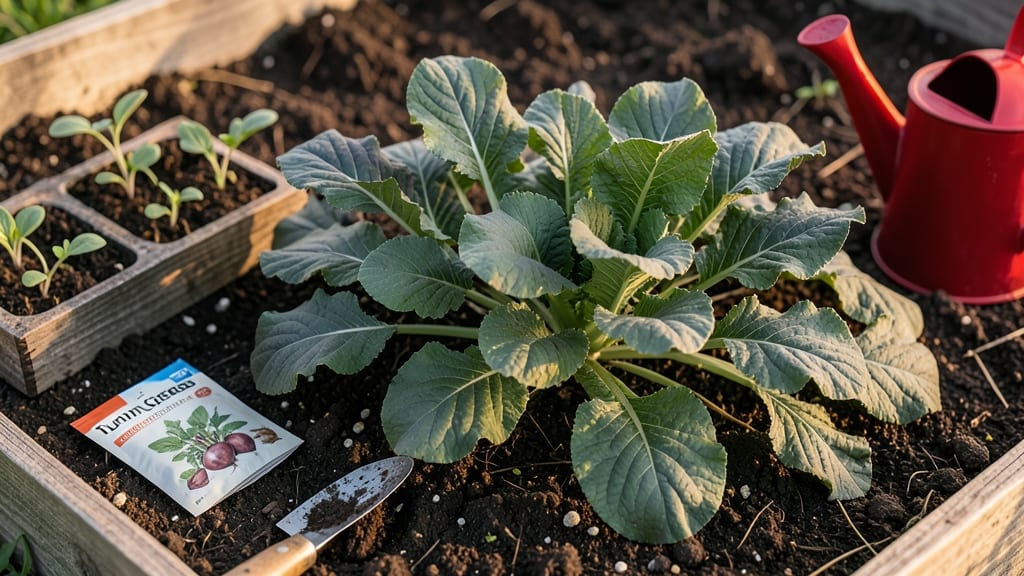
Planting turnip greens 🥬 late in the season can still yield a fast harvest if you time it right—just don’t wait until the calendar says "too late."
Turnip greens are a cold-hardy, nutrient-packed green that thrives when most gardeners have given up on spring planting—but timing is everything.
If you've been wondering whether your late-season garden still has room for these fast-growing greens, this guide breaks down zone-specific planting windows and proven strategies to maximize your harvest before frost.
In USDA Zone 6a, like many temperate regions, you’ve got two chances: a quick spring crop or a fall harvest that stretches into October.
The key is knowing your last frost date and using fast-growth hacks like row covers or succession planting to squeeze every edible leaf out of the season.
Below, I’ll walk you through exact planting deadlines by zone, plus the 5 fastest tricks to get turnip greens from seed to salad bowl before the first frost—even if you’re starting late.
Turnip greens planting deadlines by USDA hardiness zones: when is it Really Too Late?
Turnip greens are one of the most frost-tolerant vegetables you can grow, but even their resilience has limits. The key to a successful harvest lies in understanding your USDA zone and calculating backward from your first frost date.
Unlike heat-loving crops, turnip greens thrive in cool weather and can even survive light frosts, but planting too late risks stunted growth or bolting before you can harvest.
For most gardeners, the late-summer/early-fall window offers the last chance to plant turnip greens before winter sets in. However, the exact deadline varies dramatically by zone—from mid-September in Zone 3 to late October in Zone 10.
The rule of thumb? Plant turnip greens 4-6 weeks before your first frost to ensure they reach maturity (30-60 days to harvest) before temperatures drop below 20°F (-7°C).
Here’s the critical comparison: Turnip greens planted 6 weeks before frost will yield larger harvests with tender leaves, while those planted just 3-4 weeks out may bolt prematurely or develop bitter flavors. Microclimates—like urban heat islands or sheltered garden spots—can also push your deadline 1-2 weeks later.
In Zones 3-4, where winters are harsh, your absolute deadline is typically early September. This aligns with the 30-45 day maturity window needed to harvest before sustained freezing.
For example, if your first frost is October 15, planting by September 1 ensures turnip greens mature by mid-October, just before temperatures plummet.
Gardeners in Zones 5-6 have a slightly longer window, with September 15 as the cutoff. Here, the risk shifts from hard freezes to early cold snaps. A row cover can push your harvest 2-3 weeks later, but avoid planting after mid-September unless you’re using greenhouse extensions.
Southern zones (7-10) offer the most flexibility, with October 1-15 as the ideal window. However, even here, heat stress in late summer can delay germination. To counteract this, soak seeds overnight or use a seedling heat mat to jumpstart growth.
In Zone 10, where frost is rare, focus on shade protection after October 15 to prevent bolting.
Regional microclimates can shift these deadlines by 1-3 weeks. For instance, gardens near large bodies of water or in urban areas may stay 5-10°F warmer than rural zones, allowing later plantings.
Conversely, high-elevation gardens in Zone 6 might need to plant by August 30 due to earlier frosts. Always check your local frost calendar and adjust for historical trends in your area.
If you’ve missed the traditional window, don’t despair—succession planting and container gardening can still work. For example, in Zone 7, planting half your seeds on September 1 and the other half on September 15 ensures a staggered harvest.
Similarly, container-grown turnip greens can be moved to a garage or shed at night to protect them from early cold snaps.
Remember, turnip greens tolerate light frost but will suffer if temperatures
5 Fast-growth hacks to harvest turnip greens before frost (even with late planting)
Even if your late-season garden feels like a lost cause, turnip greens can still deliver a nutrient-packed harvest with the right strategies. These fast-growth hacks leverage science-backed techniques to accelerate your greens’ development, ensuring you beat the first frost by 2-3 weeks.
The key? Optimizing soil conditions, timing, and companion plants to maximize growth speed.
For example, in Zone 6a, where frost typically arrives by mid-October, planting turnip greens in early September with these methods can yield harvest-ready greens in just 25-30 days—leaving plenty of time for multiple cuttings before winter sets in.
Let’s dive into the top five techniques that work even when you’re pushing planting deadlines.
Lay black plastic mulch over beds 1-2 weeks before planting to raise soil temps by 10-15°F. Remove mulch when sowing to avoid overheating seeds. Ideal for late summer/fall plantings in cooler zones.
Sow new seeds every 10 days for a staggered harvest. This ensures a continuous supply of tender greens and maximizes your fall harvest window. Example: Plant on Sept 1, 11, 21, and Oct 1 for 4 harvest batches.
Radishes mature in 25 days and mark turnip greens’ growth stages. Their shallow roots also loosen soil, improving turnip greens’ root development. Plus, radishes deter pests like flea beetles that target young greens.
Use fish emulsion (1-2 tbsp/gallon) at planting for instant nitrogen. Organic options like compost tea also work but take 3-5 days to activate. Synthetic fertilizers (e.g., 10-10-10) deliver faster results but may burn tender seedlings.
Cut outer leaves at 4-6 inches when dark green. Leave 2-3 inner leaves to regrow. This extends your harvest by 10-14 days and keeps greens tender. Store harvested leaves in damp paper towels in the fridge for up to 10 days.
Among these hacks, soil warming and succession planting deliver the fastest results. For instance, black plastic mulch can cut turnip greens’ time-to-harvest by 5-7 days, while succession planting ensures you’re never without fresh greens. Pair these with companion planting to deter pests and improve soil structure naturally.
Pro tip: Monitor your local frost dates and work backward from the first expected frost. If your zone typically sees frost by October 15, aim to have your last planting by September 20 to allow for a 30-day growth cycle.
This timing ensures you’ll harvest just before temperatures drop below 25°F, which can damage tender greens.
Finally, don’t overlook post-harvest care. Proper storage in damp paper towels or airtight containers extends shelf life by up to 14 days, giving you more time to enjoy your homegrown greens. With these techniques, even a late-planted turnip green can become your garden’s fall hero.