Planting
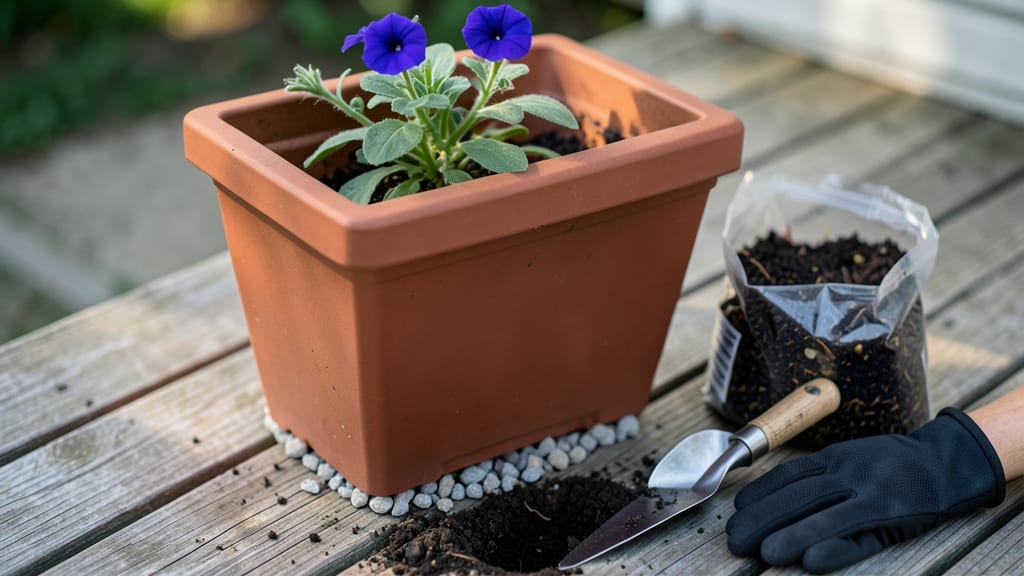
Planting in tall planters lets you grow deep-rooted veggies and lush ornamentals where space is tight. 🌱 I’ve turned my narrow balcony into a thriving garden using 2-foot-tall containers—tomatoes, peppers, and even dwarf fruit trees now grow where I once thought only herbs belonged.
The secret isn’t just the planter depth; it’s the right soil, drainage, and plant pairing that makes the difference.
Start with a container that’s at least 12 inches deep for most vegetables, but 18-24 inches for tomatoes or peppers to mimic in-ground growing conditions. Fill the bottom third with gravel or broken pottery for drainage, then layer in a lightweight potting mix mixed with compost for nutrients.
Spacing matters too—crowded plants compete for water and light, so check seed packets for mature width.
Watering becomes the real game-changer. Tall planters dry out faster at the bottom, so water deeply until it runs out the drainage holes, then repeat every 2-3 days (or daily in summer).
Mulch the top to slow evaporation, and you’ll avoid the root rot that sinks so many container gardens. Within weeks, you’ll see vigorous growth—no more stunted plants or sad, wilted leaves.
This method works for herbs, lettuce, succulents, and even small trees like Meyer lemons. The key is matching plant needs to container size: shallow-rooted basil thrives in 6-inch pots, while artichokes need 18+ inches.
Avoid overpacking soil, and always use containers with drainage—those are the two mistakes that trip up beginners every time.
📚 In This Guide
- What you need
- Instructions
- Tips and common mistakes
- Wrapping up and next steps
What you need
- ● Tall planter: Choose one with drainage holes (12–36" deep, depending on plant type). Pro tip: Ensure the base is sturdy—add weights (like pebbles) if needed!
- ● Quality potting mix: 5–10 gallons (or enough to fill ⅔ of the planter). Opt for a well-draining blend (e.g., 60% potting soil, 20% perlite, 20% compost).
- ● Drainage layer: 1–2 inches of gravel, pebbles, or broken pottery (prevents root rot).
- ● Plants: Select container-friendly varieties (e.g., deep-rooted herbs like rosemary, leafy greens, or dwarf fruit trees). Check root depth requirements!
- ● Gloves & trowel: Protect your hands and dig with ease.
- ● Watering can or hose with a gentle nozzle: Avoid over-saturating the soil.
- ● Slow-release fertilizer: Mix into the soil for a nutrient boost.
- ● Mulch (e.g., bark chips): Retains moisture and suppresses weeds.
- ● Plant supports: Stakes or cages for tall plants (tomatoes, sunflowers).
- ● Soil moisture meter: Ensures you’re watering just right.
- ● Decorative liner: Adds a polished look to your planter.
Step-by-step guide to planting in tall planters
Here's how to maximize root growth and plant health in deep containers—no guesswork, just proven techniques.
🪴 Step 1: Select and Prepare Your Tall Planter
Choose a container with at least 12-18 inches of depth—this allows roots to establish properly without becoming root-bound. I prefer containers with multiple drainage holes (at least 2-3) to prevent waterlogging, which can suffocate roots. If your planter lacks drainage, drill holes yourself or place it on a saucer filled with gravel.
Clean the container thoroughly with a 10% bleach solution to kill any lingering pathogens, then rinse well. This step is critical because old soil residues can introduce diseases that stunt growth. Let it dry completely before planting. For extra insurance, I add a 2-inch layer of gravel or broken pottery at the bottom to improve drainage and prevent soil compaction.
🌱 Step 2: Layer Soil for Optimal Root Development
Fill the bottom third of the planter with a well-draining mix—I blend equal parts potting soil, perlite, and coarse sand. This layer helps prevent water from pooling at the roots while still providing structure. Press it down lightly with your fingers to eliminate air pockets, but don’t compact it too tightly.
Add a 2-inch layer of compost or worm castings on top of the drainage mix. This layer introduces beneficial microbes and nutrients that will feed your plants as roots grow downward. Avoid using garden soil here—it compacts easily and can suffocate roots. Instead, use a high-quality, peat-based potting mix for the remaining two-thirds of the planter.
🌿 Step 3: Plant Deep-Rooted Species Strategically
For tall planters, focus on plants that thrive in deep containers, like herbs (rosemary, thyme), shrubs (dwarf citrus, lavender), or vegetables (tomatoes, peppers). Place the plant so its root ball sits just below the soil line—never bury the stem deeper than it was in its original pot. This prevents stem rot and ensures the plant can access air and light.
Dig a hole twice as wide as the root ball to encourage roots to spread outward. Gently loosen the roots if they’re circling (a common issue with nursery plants) and position the plant so the top of the root ball sits about 1 inch below the rim of the planter. This allows room for watering without overflowing.
💧 Step 4: Water Deeply and Establish a Routine
Water the newly planted container until water runs freely from the drainage holes—this ensures the soil and root ball are fully saturated. Let it drain completely before adding more water. Overwatering is the fastest way to kill container plants, so I wait until the top 2 inches of soil feel dry before watering again.
After the initial watering, reduce frequency to every 3-5 days, depending on your climate and the plant’s needs. Tall planters dry out more slowly than shallow ones, but deep roots still need consistent moisture. Use a moisture meter or stick your finger into the soil to check—if it’s dry past 3 inches down, it’s time to water.
☀️ Step 5: Position for Light and Airflow
Place your tall planter in a location with 6+ hours of sunlight daily, but avoid harsh afternoon sun if you’re growing heat-sensitive plants like lettuce or basil. I rotate my containers a quarter turn weekly to ensure even growth and prevent leaning toward the light.
Ensure good airflow by spacing containers 6-12 inches apart—this reduces humidity around the leaves, which can lead to fungal diseases. If you’re growing tall plants like tomatoes, consider staking or caging them early to support their height and prevent toppling in windy conditions.
Tips & tricks for perfect tall planter planting
Between us, the key to thriving plants in tall planters lies in the details—especially when it comes to drainage, soil layers, and plant placement. Here's what nobody tells you about maximizing your deep containers.
Drainage Layer Upgrade: While the instructions recommend a 2-inch gravel layer, I take it a step further by adding crushed terracotta pieces instead of smooth gravel. The rough edges create even more air pockets for drainage while preventing soil from clogging the holes. This is especially helpful if you're growing moisture-sensitive plants like lavender or rosemary that hate soggy roots.
Soil Texture Secret: When mixing your bottom third of well-draining soil (equal parts potting soil, perlite, and coarse sand), I add 1 part horticultural charcoal to the blend. This magical ingredient improves aeration and helps prevent compaction over time. The charcoal also acts as a natural odor absorber—great if you're growing strong-smelling herbs like cilantro or dill. The charcoal won't affect your plants but will keep your planter fresh.
Root Ball Rescue: That critical step of loosening circling roots? Here's what I learned the hard way: use a wooden chopstick or butter knife to gently tease apart the roots rather than pulling them. This prevents root damage while encouraging outward growth. For particularly dense root balls, I make a few small vertical cuts with a sterilized knife to help the roots spread more easily into the surrounding soil.
Watering Wisdom: The instructions mention checking soil moisture down to 3 inches, but I've found that morning is the best time to water in tall planters. This gives plants all day to absorb moisture before evening, reducing the risk of fungal issues. I also use a moisture meter probe rather than my finger—it's more accurate and prevents overwatering, especially in the deeper layers where roots establish.
Pro Tips for Plant In A Tall Planter
- Between us, the key to thriving plants in tall planters lies in the details—especially when it comes to drainage, soil layers, and plant placement.
- Drainage Layer Upgrade: While the instructions recommend a 2-inch gravel layer, I take it a step further by adding crushed terracotta pieces instead of smooth gravel.
- Soil Texture Secret: When mixing your bottom third of well-draining soil (equal parts potting soil, perlite, and coarse sand), I add 1 part horticultural charcoal to the blend.
Frequently asked questions
Got questions about maximizing your tall planter’s potential? Here are some of the most common ones—and their easy solutions!
What’s the best soil mix for deep-rooted plants in tall planters?
Use a lightweight, well-draining mix like 60% potting soil + 30% perlite/pumice + 10% compost. For heavy feeders (e.g., tomatoes or herbs), add a slow-release fertilizer. Avoid garden soil—it compacts and suffocates roots!
When is the ideal time to plant in a tall planter?
Plant after the last frost in spring (or early fall in warm climates). For cold-hardy plants (like kale or pansies), you can start 4-6 weeks before your average last frost date. Tall planters warm up faster than ground soil, so monitor for heat stress in summer!
Can I reuse the same tall planter for multiple growing seasons?
Sterilize
it first: scrub with soapy water, rinse, and soak in a 1:10 bleach-water solution (or vinegar) for 10 minutes. Drain well and let dry in the sun. This prevents soil-borne diseases and pests from lingering.
How often should I water tall planters, and why do my plants wilt?
Check moisture daily in summer—tall planters dry out faster at the top. Wilting often means root-bound stress or uneven watering. Try the finger test: stick your finger 2-3 inches deep; if dry, water thoroughly. Pro tip: Use a wicking system (like a reservoir bag) for consistent moisture!
What are the best plants for tall planters, and what should I avoid?
Great picks:
Tomatoes, peppers, herbs (basil, rosemary), strawberries, or deep-rooted flowers (like canna lilies). Avoid: Shallow-rooted plants (like lettuce) or vining plants (e.g., cucumbers) unless you prune aggressively—they’ll outgrow the space!
Wrapping up and next steps
Planting in tall planters is a game-changer for small spaces—whether you're growing veggies, herbs, or flowers! With the right soil, drainage, and plant choices, you’ll create a lush, space-efficient garden that thrives. Start small, experiment with layers, and don’t forget to love your plants with consistent care.
Now that you’re ready to dive in, pick your favorite tall planter and get planting! 🌱✨ Share your progress or ask questions in the comments—we’d love to see (and help with) your green-thumb journey.