
Planting
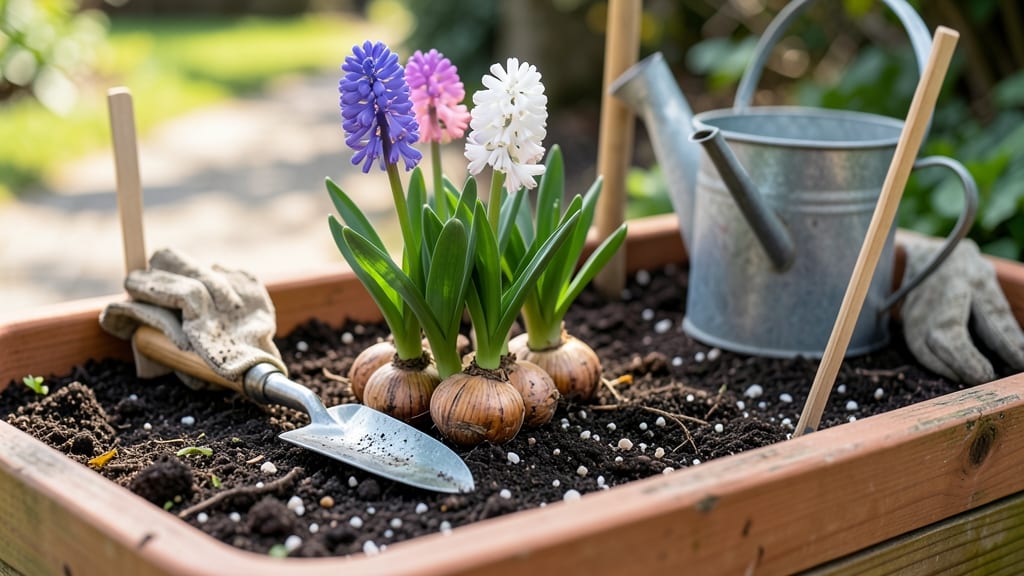
Planting hyacinth seeds unlocks a springtime explosion of fragrant blooms you won't find in stores. 🌱 The secret lies in patience—these tiny seeds need perfect conditions to grow into the showstopping bulbs we love.
Most gardeners skip this process because it feels too slow, but the payoff of homegrown hyacinths is worth every week of waiting. Start with a well-draining mix of potting soil and perlite, then scatter seeds just below the surface—never deeper than ¼ inch.
Keep them consistently moist (not soggy) and warm (around 65°F) for the first 8-12 weeks
By the time your seedlings form 2-inch leaves, they're ready to be transplanted into individual pots. Keep them in bright, indirect light and fertilize lightly every 4-6 weeks—they'll grow slowly but steadily. The first year focuses on building strong bulbs; the real show arrives in spring of the second year. This method works for gardeners in zones 3-9, though timing varies by climate. The key is consistency—hyacinths reward careful attention with clusters of blooms that perfume the air for weeks. Let's get those seeds started!
📚 In This Guide
- What you need
- Instructions
- Tips and common mistakes
- Wrapping up and next steps
What you need
- ● Hyacinth seeds: 10–20 seeds (choose a variety like Hyacinthus orientalis for best results).
- ● Seed-starting mix: 1–2 cups of sterile, well-draining potting soil (or a cactus/succulent mix amended with perlite).
- ● Containers: Small seed trays (3–4 inches deep) or
- ● Individual pots (2–3 inches wide) with drainage holes.
- ● Clear plastic domes or plastic wrap: To create a humid microclimate.
- ● Spray bottle: For gentle watering (avoid over-saturating seeds!).
- ● Grow lights or sunny windowsill: A south-facing window or LED grow lights (12–16 hours/day).
- ● Patience! Hyacinths from seed take 3–5 years to bloom—plan ahead!
- ○ Bottom heat mat: (70–75°F) to speed up germination (optional but speeds up the process!).
- ● Fertilizer: Diluted fish emulsion or balanced 10-10-10 (use sparingly—young seedlings are sensitive!).
- ● Labeling tags: To track varieties and planting dates.
- ● Humidity tray: A shallow tray with pebbles + water to boost moisture levels.
- ● Transplanting pots: 4–6 inch pots for seedlings once they sprout true leaves.
Step-by-Step instructions for planting hyacinth seeds
Growing hyacinths from seeds is a rewarding but patient process—here's how to nurture those tiny seeds into fragrant spring blooms.
🌱 Step 1: Collect and Stratify Fresh Hyacinth Seeds
Harvest seeds from mature hyacinth pods when they turn papery brown and split open naturally. Remove the flat, black seeds and store them in a paper envelope in the refrigerator for 3-4 months—this cold stratification mimics winter conditions and breaks seed dormancy. I place a damp paper towel in the envelope to maintain 50-60% humidity without sogginess.
After stratification, soak the seeds in lukewarm water for 12 hours to soften the outer coating. This step dramatically improves germination rates. You'll notice the seeds swell slightly—this is your signal they're ready for planting. Real talk: Skipping stratification often results in seeds that either won't sprout or produce weak, spindly seedlings.
💧 Step 2: Sow Seeds in a Light, Well-Draining Mix
Fill a 4-inch deep container with a blend of 50% sterile potting mix and 50% perlite—hyacinth seeds despise soggy soil. Plant seeds ¼ inch deep, spacing them ½ inch apart in rows. I use a toothpick to make small holes and drop seeds individually, as overcrowding leads to competition and weak stems. Gently press the soil around each seed to ensure good contact.
Mist the surface lightly with a spray bottle until the mix feels like a damp sponge—not dripping, just consistently moist. Cover the container with clear plastic wrap to maintain humidity and place it in a warm, dark spot (around 70°F). This warmth triggers germination, which typically takes 4-8 weeks. Don't be tempted to peek too often—moisture loss slows the process.
☀️ Step 3: Provide Controlled Light and Gradual Exposure
Once seedlings emerge with first true leaves (not the initial cotyledons), remove the plastic and move them to bright, indirect light for 2-3 weeks. I position my trays under a south-facing window with sheer curtains to filter harsh light. Hyacinth seedlings are sensitive to direct sun at this stage—you'll see leaves turn yellow or crisp if exposed too soon.
After 6-8 weeks, when seedlings have 3-4 leaves and 1-inch stems, gradually introduce 2-3 hours of morning sun daily. This hardening process prevents shock when you eventually transplant. Watch for stems that lean toward the light—rotate the container quarter-turn daily to encourage even growth. Strong seedlings will have thick, upright stems and deep green leaves.
🪴 Step 4: Transplant and Overwinter for Bulb Development
In early fall (about 8-10 weeks after germination), transplant seedlings into individual 3-inch pots filled with well-draining bulb mix. Plant each seedling 1 inch deep, leaving the top ½ inch of the stem above soil—this prevents rot. Place pots in a cool, bright location (around 50-60°F) and reduce watering to keep soil barely moist.
Over the next 8-12 months, the seedlings will develop into small bulbs. You'll know they're ready for outdoor planting when the foliage yellows and dies back naturally—usually in late summer. At this point, the bulbs should be 1-2 inches wide. Here's the thing: Rushing this process by forcing blooms too early results in weak, short-lived plants. Patience pays off with robust, fragrant hyacinths.
⏰ Step 5: Plant Outdoors and Care for First Blooms
Transplant bulbs into the garden in fall, spacing them 4-6 inches apart in full sun to partial shade. Dig holes 6 inches deep and mix in a handful of bone meal for phosphorus—this encourages strong root and bulb development. Water deeply after planting to settle the soil around the bulbs. Real talk: Hyacinths are drought-tolerant once established, but consistent moisture during their first growing season prevents bulb shriveling.
First blooms will appear in 3-4 years—yes, it takes time, but the wait is worth it. After flowering, allow the foliage to die back naturally to feed the bulb. In late summer, dig up the bulbs, dry them in a shady, well-ventilated spot, and store them in mesh bags until replanting. You'll see stronger, more abundant blooms each subsequent year as the bulbs mature.
Tips & tricks for planting hyacinth seeds
Took me a while to figure these out, so here's how to avoid the common pitfalls that trip up even patient gardeners.
Stratification Success: When storing seeds in the refrigerator for the required 3-4 months, place the paper envelope in a sealed plastic bag with a tiny hole for airflow. This prevents moisture buildup that can cause mold. I also label the date—marking "Day 1" on the envelope ensures you don't accidentally skip the full stratification period. The 50-60% humidity is crucial; too much moisture causes rot, while too little prevents dormancy breaking.
Seedling Light Management: During the 2-3 weeks of bright indirect light in Step 3, I've found that positioning trays on a bookshelf with fluorescent grow lights (set to 12 hours/day) works better than windows alone in cloudy climates. Watch for leaves touching the plastic wrap—this creates condensation that can promote fungal growth. If you notice stems elongating toward the light, it's time to rotate the container more frequently than the suggested quarter-turn daily.
Transplanting Timing: The 8-10 weeks after germination transplant window is critical. I've learned to check for seedling readiness by gently tugging on the leaves—if they pull out easily with minimal resistance, they're ready. For indoor growers without fall seasons, you can transplant into pots anytime after 8 weeks, but be prepared to keep them indoors for another growing season before outdoor planting. The 1-inch deep planting with ½ inch stem exposed prevents rot while allowing the stem to photosynthesize.
Bulb Development Patience: The 8-12 months of bulb development is where most gardeners rush the process. I've seen seedlings forced to bloom too early produce flowers that never return. Instead, focus on the foliage—it should yellow naturally before you consider transplanting outdoors. During this phase, I reduce watering to barely moist soil to encourage bulb formation rather than leaf growth. The 1-2 inch wide bulb size at maturity is your target; smaller bulbs won't survive winter well.
Pro Tips for Plant Hyacinth Seeds
- Took me a while to figure these out, so here's how to avoid the common pitfalls that trip up even patient gardeners.
- Stratification Success: When storing seeds in the refrigerator for the required 3-4 months, place the paper envelope in a sealed plastic bag with a tiny hole for airflow.
- Watch for leaves touching the plastic wrap—this creates condensation that can promote fungal growth.
Frequently asked questions
Got questions about growing hyacinths from seeds? You’re not alone—this method takes patience and care! Here are answers to the most common queries to help you navigate the process like a pro.
How long does it take for hyacinth seeds to germinate?
Germination can take anywhere from 4 to 12 weeks, depending on temperature, moisture, and seed freshness. Keep soil consistently moist (but not soggy) and maintain a steady 65–75°F (18–24°C) for the best results. Patience is key—some seeds may take longer!
Can I plant hyacinth seeds directly outdoors, or do I need to start them indoors?
For best success, start seeds indoors 10–12 weeks before your last frost date in a controlled environment. Outdoors, unpredictable weather, pests, and temperature swings can hinder germination. If you must sow directly outside, choose a sheltered spot with well-draining soil and protect seedlings with a cloche or row cover.
Why aren’t my hyacinth seeds sprouting? Troubleshooting tips?
Seeds may fail to sprout due to old seeds (over 1 year), improper moisture, or incorrect soil temperature. Try these fixes:
- Test viability: Soak seeds in warm water for 24 hours—if they sink, they’re likely viable.
- Adjust moisture: Use a spray bottle to keep soil damp (not waterlogged).
- Check depth: Seeds should be planted ½ inch deep—too deep can delay germination.
- Warmth boost: Place trays on a seedling heat mat (70–75°F) if your home is too cool.
Do hyacinths grown from seed bloom the first year?
Nope! Hyacinths from seed are slow growers—expect blooms in 2–3 years, not the first spring. The first year focuses on establishing roots and small foliage. For faster flowers, opt for bulbs (which bloom in their first year), but seeds offer unique, heirloom varieties over time.
What’s the best way to overwinter hyacinth seedlings?
Once seedlings sprout, harden them off (acclimate to outdoor temps) for 1–2 weeks before transplanting. In colder zones (USDA 5 or lower), mulch heavily with straw or leaves to protect roots. If frost threatens, move pots indoors to a cool, bright spot (like a garage) until spring. Avoid freezing temps—hyacinths are tender!
Wrapping up and next steps
Growing hyacinths from seeds is a rewarding journey that blends patience with the joy of watching vibrant blooms emerge! 🌱 With the right soil, light, and care, you’ve got everything you need to nurture these fragrant flowers from tiny seeds.
Remember, consistency is key—whether it’s keeping them warm or protecting them from pests.
Ready to see your efforts bloom? Start by planting your seeds indoors now and give them the love they deserve. Before you know it, you’ll be enjoying a stunning display of purple, pink, or white hyacinths in your garden—all from those little seeds you held in your hands! 🌸