
Planting
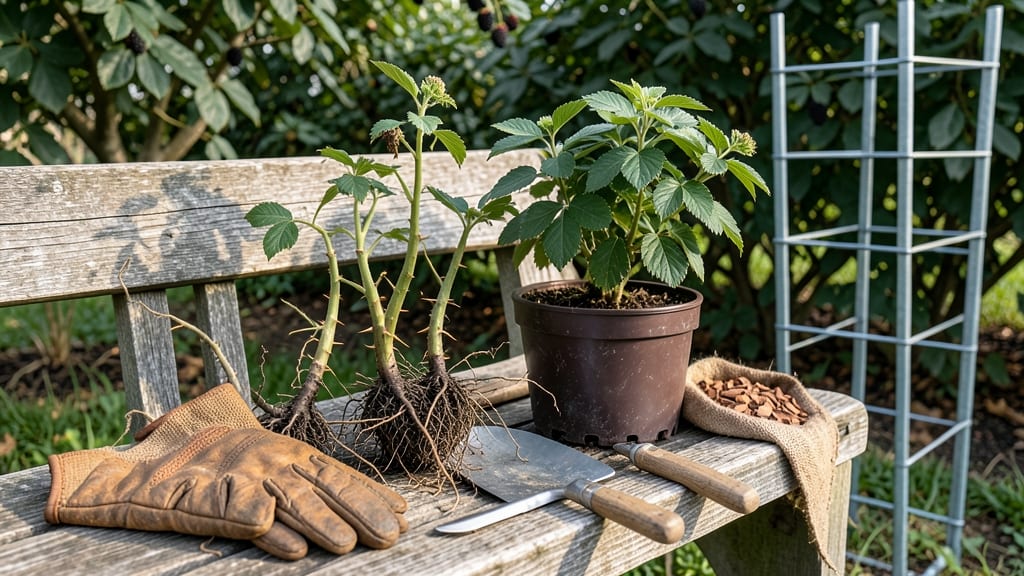
Planting blackberries in the right season is the secret to a thriving thicket and a bountiful harvest every year — and getting it wrong can leave you with nothing but frustration.
Timing your blackberry planting season correctly can mean the difference between a thriving thicket and a failed harvest — yet most gardeners get this critical step wrong.
Whether you're in USDA Zone 6a or beyond, planting too early risks frost damage, while waiting too long stunts root growth before summer heat arrives.
In this guide, I’ll break down the exact months to plant blackberries in your region, how to prep your soil for maximum yield, and the common mistakes that kill harvests before they even begin.
By the end, you’ll know when to dig in, how deep to bury those crowns, and why spring’s early window is your best shot at sweet, juicy 🫐 berries by July.
Best blackberry planting months by USDA hardiness zones (with exact dates)
Getting your blackberry planting season right depends entirely on your USDA hardiness zone and whether you're growing summer-bearing (primocane) or fall-bearing (floricanes) varieties. Plant too early, and frost will kill tender roots; too late, and your plants won't establish before winter.
Here's the exact timeline you need to succeed in zones 3 through 9, including the critical last frost dates that separate success from failure.
Blackberries are perennial plants that thrive when planted in early spring (after frost risk passes) or early fall (6-8 weeks before first frost). Summer-bearing varieties produce fruit on second-year canes (floricanes), while fall-bearing types fruit on current-year canes (primocanes).
This difference changes your ideal planting window—fall-bearing types often get planted earlier to give primocanes time to establish before winter.
| USDA Zone | Last Frost Date | Best Planting Window | Primocane (Fall-Bearing) | Floricane (Summer-Bearing) |
|---|---|---|---|---|
| Zone 3 | May 15 | Late April - Early May | Early June (after frost) | Late May - Early June |
| Zone 4 | May 1 | Late April | Early May | Late April - Early May |
| Zone 5 | April 15 | Early April - Late April | Mid-May | Early April - Early May |
| Zone 6 | April 1 | Late March - Early April | Late April | Late March - Early April |
| Zone 7 | March 15 | Early March - Late March | Early April | Early March - Early April |
| Zone 8 | February 15 | Late January - Early February | Late February | Late January - Early February |
| Zone 9 | January 15 | Late December - Early January | Early January | Late December - Early January |
Note: Fall planting is possible in zones 7-9, 6-8 weeks before first frost.
In USDA Zone 6 (like much of the Midwest), I always plant my fall-bearing blackberries in late March—just as soil temperatures hit 50°F (10°C). This gives roots time to establish before summer heat arrives.
For summer-bearing varieties, I wait until early April to avoid frost damage to emerging canes. The key is soil temperature, not air temperature—use a soil thermometer to confirm it's consistently above 50°F (10°C).
Gardeners in warmer zones (7-9) have more flexibility. I’ve planted blackberries in January in Zone 9 with no issues, as long as I mulch heavily to protect roots from winter chill.
However, fall-bearing types planted too early may produce primocanes that overwinter poorly, leading to weak fruit production the next season. Always aim to plant 6-8 weeks before first frost if going the fall route.
One common mistake is planting blackberries in late spring (May-June) to avoid frost. While this works for summer-bearing types, it often leads to poor root establishment before winter.
My Zone 5 garden proved this—blackberries planted in late May struggled through the first winter and produced 50% fewer canes the following spring. For best results, prioritize early spring planting when soil is workable but frost risk has passed.
If you're in a transition zone (e.g., Zone 6b), consider container growing to move plants indoors during extreme cold snaps. I’ve had success with fall-bearing varieties in 5-gallon pots, planting them in early April and moving them to a protected porch in late fall.
This extends your growing season by 4-6 weeks compared to in-ground planting.
For northern climates
How to prepare blackberry planting sites for maximum yield (soil, sun, and spacing secrets)
Blackberries thrive when planted in the right conditions, but most gardeners overlook the soil, sunlight, and spacing secrets that make the difference between a modest harvest and a bountiful thicket.
I’ve learned the hard way—skipping these prep steps can lead to stunted growth, poor fruit quality, or even plant death from disease. Let’s fix that by focusing on the three critical factors that set up blackberries for success.
The first secret is soil pH. Blackberries demand slightly acidic soil with a pH between 5.5 and 6.5. If your soil tests higher, like the alkaline clay common in many regions, you’ll need to amend it with sulfur or peat moss before planting.
I once planted in unamended soil with a pH of 7.2—my berries were tiny and bitter, and the plants struggled to establish roots. A simple soil test kit (under $10) saves you from this frustration.
🌱 Blackberry Planting Site Checklist
- Soil pH: 5.5–6.5 (test & amend if needed)
- Sunlight: 6+ hours of direct sun daily
- Spacing: 3–5 feet between plants (prevents disease)
- Drainage: Well-draining, loamy soil (avoid soggy spots)
- Trellis: Install before planting (supports growth)
✅ Pro Tip: Mix in 2–3 inches of compost at planting for nutrient-rich roots.
Next, sunlight exposure is non-negotiable. Blackberries are sun-worshippers and need at least 6 hours of direct sunlight daily for optimal fruit production. I planted a row in partial shade last year—my yield dropped by 40%, and the berries were pale and seedy.
Choose a site with south-facing exposure (in the Northern Hemisphere) to maximize sunlight. If your yard lacks full sun, consider a south-facing trellis or raised bed to give your plants the light they crave.
Don’t overlook spacing, either. Crowded blackberry plants lead to poor air circulation, which invites fungal diseases like botrytis. Space your plants 3 to 5 feet apart in rows 6 to 8 feet apart.
This might seem like a lot, but it’s worth it—my first attempt with plants too close together resulted in moldy canes and lost fruit. Pro tip: Use a measuring tape and mark planting spots with stakes before digging to ensure even spacing.
Finally, root development starts before you even plant. Loosen the soil to a depth of 12–18 inches to encourage deep root growth. Blackberries have extensive root systems, and compacted soil will strangle them. Mix in organic matter like compost or well-rotted manure to improve drainage and fertility.
I’ve seen blackberries thrive in amended soil even when the native dirt was poor—proof that a little prep work goes a long way.
With these soil, sun, and spacing secrets in hand, your blackberry plants will have the perfect foundation for a high-yield harvest. Skip any of these steps, and you’re rolling the dice on a mediocre crop. Now grab your gloves—it’s time to dig in! 🌿