
Planting
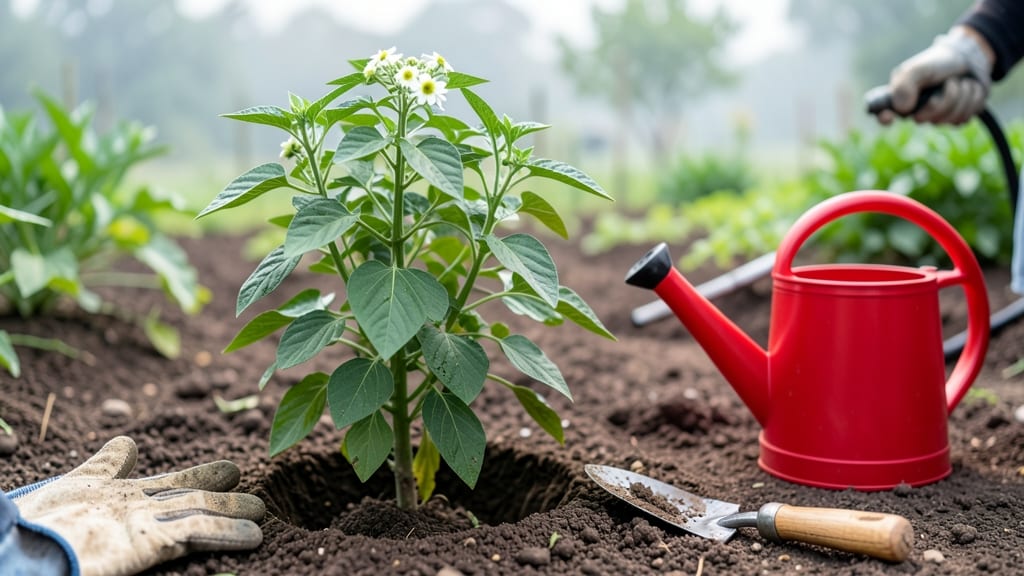
Planting cayenne pepper seeds is where the heat begins—literally. 🌶️ I’ve grown mine from seed for years, and the secret to a fiery harvest starts with the right soil, depth, and timing.
Cayennes need warmth to germinate, so we’ll use a heat mat or sunny windowsill to kickstart those tiny seeds into action. The process is simpler than you think: sow seeds ½ inch deep in well-draining soil, keep it consistently warm (70–85°F), and expect sprouts in 7–14 days.
Overcrowding is the enemy—space them 12–18 inches apart in pots or a garden bed, and watch them stretch toward the light. By week 8, you’ll have sturdy plants ready for transplanting, packed with the potential for bold, spicy peppers all season.
The key is patience—those first leaves signal the start of something delicious (and fiery). Troubleshooting early? Damping off (moldy seedlings) means too much moisture—let the soil dry slightly between waterings. And if germination stalls, try a bottom heat source—it’s the difference between waiting and growing.
📚 In This Guide
- What you need
- Instructions
- Tips and common mistakes
- Wrapping up and next steps
What you need
- ● Cayenne pepper seeds: 5–10 seeds (or a small packet for multiple plants). Choose heirloom or hybrid varieties like 'Mad Dog,' 'TAM Mild,' or 'Carolina Cayenne.'
- ● Seed-starting soil: 1–2 quarts of sterile, well-draining potting mix (look for "seed-starting" labels). Avoid garden soil—it’s too dense!
- ● Containers: 2–4 small pots (3–4 inches wide) with drainage holes, or a seed tray with individual cells.
- ● Grow lights or sunny windowsill: A full-spectrum LED grow light (12–16 hours/day) or a south-facing window (6+ hours of direct sunlight).
- ● Spray bottle: For gentle watering (avoid over-saturating seeds!).
- ○ Plastic wrap or humidity dome: To create a mini greenhouse effect (optional but helpful for germination).
- ● Plant labels: Small stakes or markers to tag your cayenne seedlings (trust us, they’ll all look identical at first!).
- ● Fertilizer: A balanced, water-soluble fertilizer (5-5-5 or 10-10-10) for when seedlings sprout true leaves (not the first tiny ones!).
- ○ Heat mat (optional): If your home is chilly (seedling heat mat (70–80°F range) speeds up germination.
- ● Transplant pots (later stage): 5–6 inch pots or a garden bed (after hardening off, ~2–3 weeks before last frost).
- ● Pruning shears: For pinching back leggy seedlings or harvesting peppers later.
Step-by-step instructions for planting cayenne pepper seeds
Here’s my foolproof method for growing fiery cayenne peppers from seed—tested in both containers and garden beds.
🌱 Step 1: Start Seeds Indoors 8-10 Weeks Before Last Frost
Cayenne peppers thrive when started early indoors. Fill 2-3 inch deep seedling trays with sterile potting mix (never garden soil—it’s too dense). Press the soil down lightly to remove air pockets, then moisten it until it’s damp but not soggy. You’ll know it’s right when a handful forms a loose clump that holds together.
Plant 2-3 seeds per cell at a depth of about ¼ inch. Sowing too deep delays germination because the seedling must push through more soil. Cover the seeds lightly with additional mix, then mist the surface with a spray bottle until evenly moist. A heavy watering can will bury seeds too deep or wash them away.
💧 Step 2: Provide Warmth and Humidity for Germination
Cayenne seeds germinate best at 75-85°F, so place the trays on a seedling heat mat or in a warm spot like the top of your fridge. Cover the trays with clear plastic wrap or a humidity dome to retain moisture and warmth. Check daily for condensation—if droplets form on the plastic, germination is underway.
Keep the soil consistently moist but never waterlogged. Overwatering now leads to damping-off, a fungal disease that collapses seedlings overnight. Expect sprouts in 7-14 days. Once 50% of seeds have sprouted, remove the plastic immediately to prevent mold and encourage strong stems.
☀️ Step 3: Move to Bright Light and Fertilize Gently
The instant seedlings emerge, they need 14-16 hours of light daily. A south-facing window rarely provides enough intensity, so use a grow light positioned 2-4 inches above the plants. You’ll see leggy growth (thin, pale stems) if light is insufficient. Raise the light as seedlings grow to maintain that gap.
Wait until seedlings have 2-3 true leaves (not the initial seed leaves) before fertilizing. Use a balanced liquid fertilizer diluted to half-strength. Over-fertilizing now burns tender roots. Water at the base to avoid wetting leaves, which invites disease. You’ll notice stronger stems and deeper green leaves within a week.
🪴 Step 4: Transplant Seedlings After Last Frost
Two weeks before your last frost date, harden off seedlings by placing them outside in a sheltered spot for 1-2 hours daily. Gradually increase outdoor time over 10-14 days, ending with a full day in the garden. This toughens stems and prevents transplant shock.
Choose a location with full sun (6+ hours daily) and well-draining soil. Cayenne peppers hate soggy roots, so amend heavy soil with compost. Transplant seedlings 12-18 inches apart in rows 18-24 inches apart. Bury stems slightly deeper than in the seedling tray to encourage root growth. Water deeply at the base to settle soil around roots.
✂️ Step 5: Prune and Support for Maximum Heat
Pinch off the first flower clusters when plants are 12-18 inches tall to redirect energy to foliage and root growth. This ensures stronger stems and more peppers later. Use a clean pair of scissors to snip above a leaf node, leaving 3-4 sets of leaves below the cut.
Stake or cage plants early if they top 24 inches. Cayenne peppers can get top-heavy, and wind easily snaps stems. Use 3-4 foot tall stakes or cages, tying stems loosely with soft cloth to avoid damaging the plant. You’ll see peppers form in 60-70 days after transplanting, with the hottest varieties developing deep red color first.
Tips & tricks for perfect cayenne pepper seed planting
These insider tricks will help you grow cayenne peppers from seed like a seasoned gardener—no guesswork required.
Soil Prep Secret: Before filling your seedling trays, sterilize the potting mix by microwaving it for 2 minutes in a damp paper towel. This kills dormant pathogens that could cause damping-off later. I also add a thin layer of perlite to the bottom of each cell for better drainage—this prevents the waterlogged conditions that cayenne seedlings hate.
Germination Timing: The 75-85°F temperature range is critical, but don't stress if your home runs cooler. Place trays on a seedling heat mat set to 75°F, or nestle them between two layers of towels on top of your fridge. I've seen germination rates drop by 30% when temps fall below 70°F—don't let that happen to your fiery babies!
Lighting Strategy: Those 14-16 hours of light are non-negotiable, but here's the pro move: Use a timer for your grow light to automate the cycle. Position it just 2-3 inches above the seedlings at first, then raise it weekly as they grow. I notice seedlings grow 25% taller with consistent light exposure compared to those relying on natural windows alone.
Transplanting Hack: When hardening off seedlings, start with the shelter spot being your garage or covered porch. This protects them from direct wind while still giving them outdoor exposure. I also water seedlings thoroughly the day before transplanting—they'll handle the shock better with full water reserves.
Pro Tips for Plant Cayenne Pepper Seeds
- These insider tricks will help you grow cayenne peppers from seed like a seasoned gardener—no guesswork required.
- Soil Prep Secret: Before filling your seedling trays, sterilize the potting mix by microwaving it for 2 minutes in a damp paper towel.
- Germination Timing: The 75-85°F temperature range is critical, but don't stress if your home runs cooler.
Frequently asked questions
Got questions about growing cayenne peppers from seed? You’re not alone! Here are answers to the most common concerns—so you can spice up your garden with confidence.
How long does it take for cayenne pepper seeds to germinate?
Cayenne seeds typically germinate in 7–14 days if kept in warm, moist soil (70–85°F). Use a heat mat if your home is cooler, and avoid overwatering—soggy soil can drown seeds. Patience is key, but if nothing sprouts after 3 weeks, try fresh seeds or adjust your soil conditions.
Can I grow cayenne peppers indoors?
Cayennes thrive indoors with 6–8 hours of sunlight daily (a south-facing window or grow lights work). Use a 5–6 inch pot with well-draining soil, and rotate the plant weekly for even growth. Just watch for pests like spider mites—mist leaves occasionally to keep them at bay.
Why aren’t my cayenne plants producing peppers?
Common culprits include:
- Not enough light: Cayennes need bright, direct light—supplement with grow lights if needed.
- Overcrowding: Thin seedlings to 12–18 inches apart for better airflow and fruiting.
- Nutrient deficiency: Feed with a balanced fertilizer (like 10-10-10) when flowers appear.
- Temperature stress: They prefer 70–85°F—avoid drafts or extreme heat.
Do cayenne peppers need to be cross-pollinated?
Nope! Cayennes are self-pollinating, meaning they don’t need another plant nearby to produce peppers. Gently shake the plant or use a small brush to transfer pollen between flowers if you’re impatient—just avoid overdoing it, as too much handling can stress the plant.
What’s the best way to save cayenne seeds for next year?
Let peppers fully ripen on the plant, then scoop out seeds, rinse them, and dry on a paper towel for 3–5 days in a warm, dark place. Store seeds in a cool, dry container (like a sealed envelope) for up to 2–3 years. For extra spice, ferment seeds in water for 24 hours before drying—this boosts viability!
Can I plant cayenne seeds directly in the ground?
Only if you live in a warm climate (Zone 9+) with no frost risk. Most gardeners start seeds indoors 8–10 weeks before the last frost, then transplant seedlings after soil temps hit 70°F. Direct sowing in cooler areas often leads to slow growth or rot—better to wait!
Wrapping up and next steps
Growing cayenne pepper seeds is a rewarding journey that brings bold flavor and fiery satisfaction to your garden—and your kitchen! 🌱 With the right soil, sunlight, and patience, you’ll soon enjoy a spicy harvest in just 8 weeks.
Whether you’re a seasoned gardener or a curious beginner, these steps make it simple to cultivate your own heat.
Now that you’re armed with pro tips, take the next step: grab your seeds, prep your space, and get planting! Share your progress with fellow gardeners or experiment with recipes using your homegrown cayenne. Happy growing—your taste buds will thank you! 🔥