
Planting
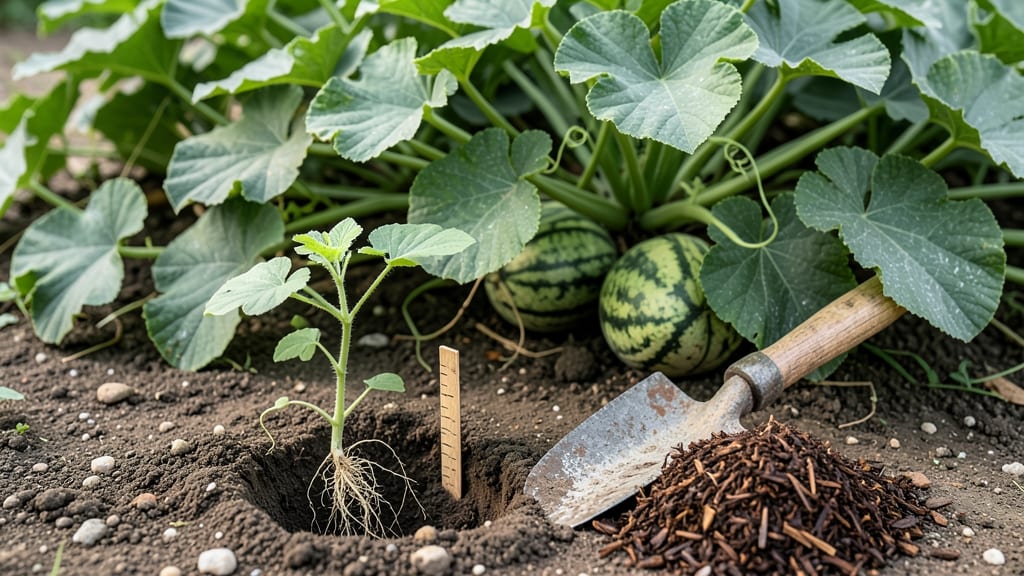
Planting watermelon seeds at the right depth is the secret to strong roots and a bountiful harvest—½ to 1 inch deep is the sweet spot for germination and growth.
Struggling with watermelon germination? Planting seeds too shallow or too deep can mean the difference between a thriving vine and a failed harvest. The key lies in balancing moisture, warmth, and soil contact—all factors that depend on how deep you tuck those tiny seeds.
In this guide, I’ll break down the science behind the ideal planting depth, how soil type and climate affect your method, and the common mistakes that kill seeds before they even sprout.
Whether you’re a first-time gardener or a seasoned pro, these tips will help you set your watermelon plants up for success.
You’ll learn how to adjust for sandy or clay soil, when to worry about rot or slow sprouting, and why spacing matters just as much as depth. Let’s get those seeds in the ground the right way!
Optimal watermelon seed planting depth: science and soil factors
Watermelon seeds need precise planting depth to germinate successfully—too shallow, and they dry out; too deep, and they rot before sprouting. The ideal depth is between ½ to 1 inch below soil surface, a range backed by seed science and moisture retention principles.
This depth balances oxygen access for the seed's radicle (root) while keeping it hydrated in the moisture-rich zone just below the surface.
Your seed's size plays a crucial role. Watermelon seeds are medium-large (about ½ inch long), which means they need enough soil cover to stay stable but not so much that they suffocate.
Think of it like tucking them into a cozy blanket—just enough to keep them warm and moist, but not buried under a mountain of dirt. The 1-inch rule applies universally to most watermelon varieties, whether you're growing sugar baby or charentais types.
Soil type dramatically affects how deep you should plant. In sandy soil, which drains quickly, I recommend planting watermelon seeds slightly deeper (up to 1.25 inches) to retain moisture longer.
Conversely, clay soil, which holds water like a sponge, can be planted at the shallower end (½ inch) to prevent waterlogging. Always test your soil's moisture by squeezing a handful—if it crumbles easily, it's too dry; if it sticks, it's too wet.
Moisture retention is the silent hero of seed germination. Watermelon seeds need consistent dampness but will rot if submerged in water. After planting, gently firm the soil around the seeds to create a moisture barrier, then water lightly to settle the soil without displacing the seeds.
Think of it like giving your seeds a cozy blanket—just enough to keep them snug but not suffocating. Overwatering here is a common mistake that leads to seed rot.
Temperature is another critical factor often overlooked. Watermelon seeds won’t germinate below 60°F soil temperature, and growth slows dramatically in cooler conditions. Use a soil thermometer to confirm warmth (aim for 70°F+).
If your spring is chilly, consider using black plastic mulch to absorb heat and speed up germination. Patience is key—seeds may take 7-10 days to sprout in ideal conditions, but cooler soils can double that time.
Troubleshooting germination failures starts with the soil. If your seeds rot before sprouting, you’ve likely planted too deep or overwatered. The fix? Plant shallower (½ inch) and water lightly, ensuring the soil drains well.
If seeds won’t sprout at all, check soil temperature—cold soil is the #1 culprit. For slow sprouting, try soaking seeds overnight before planting to jumpstart hydration. Remember, watermelons are warm-weather plants, so rush them, and they’ll reward you with a bountiful harvest.
Pro tip: Use a seed starter kit with clear domes to monitor moisture levels without disturbing the soil. These kits create a microclimate that maintains ideal humidity and warmth, giving your seeds the best chance to sprout uniformly.
Once they’ve germinated, transplant seedlings carefully, ensuring the root ball stays intact to avoid shock. This method reduces the risk of transplant rot, a common issue when moving delicate seedlings.
For container growers, adjust depth slightly—plant seeds ¼ inch deeper than in-ground to account for faster drying in pots. Use a well-draining potting mix with added perlite to prevent compaction. Containers also warm up faster in sun, so monitor soil moisture closely.
If you’re growing in raised beds, aim for the standard ½-1 inch depth but add a layer of mulch to retain moisture and regulate temperature.
Finally, observe your seeds’ progress. Healthy watermelon seedlings should emerge with two cotyledons (seed leaves) within 7-14 days. If you notice yellowing leaves or stunted growth, it’s often a sign of overwatering or poor drainage. At this stage, reduce watering slightly and ensure the soil has
How to adjust planting depth for different soil types and climates
Your watermelon seeds need the perfect planting depth to thrive, but soil type and climate can throw off that ideal ½ to 1-inch rule. In sandy soil, for example, seeds dry out faster, so I plant them slightly deeper—about ¾ inch—to hold moisture.
Meanwhile, clay soil stays damp longer, so I stick to the standard ½ inch to avoid rot. Climate also plays a role: in cold regions, I add extra mulch and plant 1 inch deep to protect seeds from temperature swings.
Organic gardeners often adjust depth based on soil amendments. If I’ve added compost, I might plant ¼ inch shallower since the soil is looser and retains moisture better. Conversely, in conventional soil with less organic matter, I plant ½ inch deep to ensure consistent moisture.
These tweaks make all the difference between a failed germination and a lush, sprawling vine ready for harvest.
Sandy Soil
Plant ¾ inch deep to retain moisture; water lightly after planting to settle soil.
Clay Soil
Stick to ½ inch deep; improve drainage with compost to prevent waterlogging.
Cold Climates
Plant 1 inch deep and use black plastic mulch to warm soil faster.
Warm Climates
Plant ½ inch deep; use shade cloth to protect young seedlings from intense heat.
Organic Soil
Plant ½ inch deep; looser soil holds moisture well, reducing rot risk.
Conventional Soil
Plant ½ inch deep; amend with compost to improve moisture retention.
For container gardening, I adjust depth based on pot size. In small containers, I plant ½ inch deep and use moisture-retaining gels to compensate for limited soil volume. Larger pots can handle the standard ¾ inch depth since they retain moisture longer.
Always monitor soil moisture—if the top inch dries out, it’s time to water, regardless of planting depth.
Pro tip: Use a soil thermometer to ensure soil is at least 70°F before planting. Watermelon seeds germinate best in warm conditions, so adjusting depth won’t help if the soil is too cold.
Combine these depth tweaks with proper mulching and sun exposure, and you’ll see those first cotyledons break through the soil in no time!
🌱