
Planting
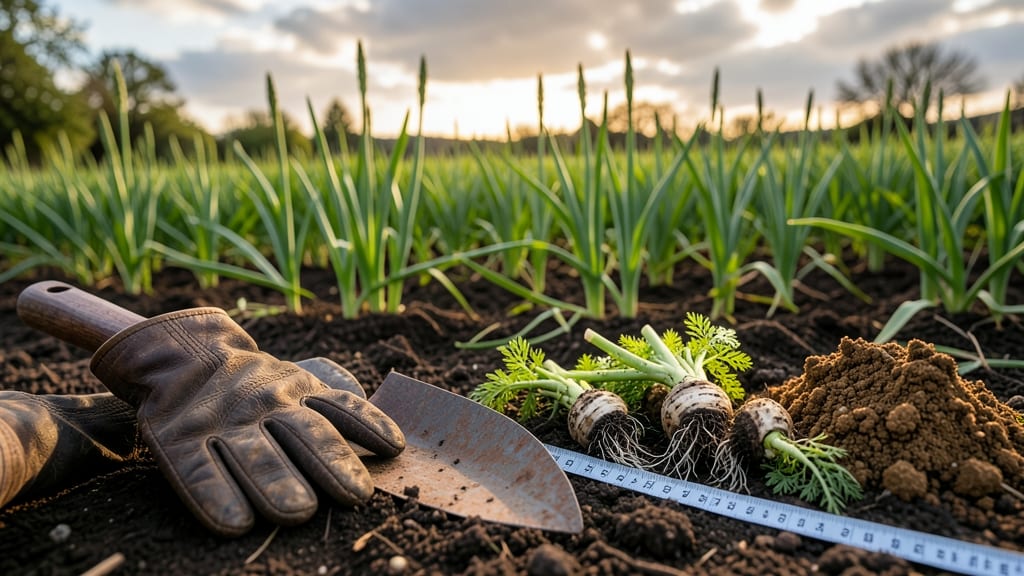
Optimal asparagus planting spacing: science-backed crowd-free layouts
Asparagus thrives when given room to breathe, but most gardeners unknowingly crowd their crowns, leading to stunted spears and reduced harvests. The 12–18 inch spacing between crowns and 3–5 foot row spacing isn’t just a suggestion—it’s a science-backed necessity for maximizing root spread and spear production.
Without proper spacing, your asparagus plants will compete for nutrients, water, and sunlight, resulting in thin, woody spears instead of the tender harvest you crave.
Traditional planting guides often recommend closer spacing to save space, but this backfires by overcrowding roots and creating ideal conditions for disease. Asparagus crowns need 6–8 inches of soil depth to establish strong roots, and wide row spacing ensures airflow and easier weed control.
When planted correctly, a single asparagus bed can produce spears for 15–20 years—but only if you start with the right layout.
Here’s the golden rule: Plant asparagus crowns 12–18 inches apart within rows and 3–5 feet apart between rows. This spacing allows roots to expand horizontally without smothering each other, while the trench method (burying crowns in deep furrows) gives roots the depth they crave.
Skipping this step means sacrificing yield and longevity—so let’s dive into the details to get it right the first time.
| Spacing Requirement | Specification | Why It Matters |
|---|---|---|
| Crown Spacing (Within Rows) | 12–18 inches | Prevents root competition; allows spears to thicken |
| Row Spacing (Between Rows) | 3–5 feet | Improves airflow; reduces disease risk; easier access for harvesting |
| Trench Depth | 6–8 inches | Encourages deep root growth for stronger spears |
| Soil pH | 6.5–7.5 | Optimal for nutrient uptake; prevents deficiency issues |
| Planting Season | Early spring or fall (4–6 weeks before frost) | Allows roots to establish before extreme heat/cold |
The trench method is your secret weapon for asparagus success. Dig a 6–8 inch deep trench (or deeper in heavy clay soil), mix in compost or aged manure, and place crowns 12–18 inches apart along the trench’s bottom.
Cover them with 3–4 inches of soil, leaving the crowns exposed. As new spears emerge, gently mound soil around them until the trench is full. This method mimics asparagus’ natural deep-rooting habit and ensures thicker, sweeter spears year after year.
Timing your planting is just as critical as spacing. Plant 1-year-old crowns in early spring (2–4 weeks before your last frost) or fall (4–6 weeks before frost). Fall planting gives roots a head start in cool, moist soil, while spring planting avoids winter heaving in freeze-thaw cycles.
Avoid planting in hot summer months, as the stress can stunt root development and delay your first harvest by a full season.
One of the biggest mistakes gardeners make is skipping soil preparation. Asparagus demands well-draining, fertile soil rich in organic matter. Before planting, amend your soil with compost or well-rotted manure to a depth of 12–18 inches.
Test your soil’s pH (6.5–7.5) and adjust with lime (to raise pH) or sulfur (to lower pH) if needed. Poor soil leads to weak crowns and poor spear quality, so don’t cut corners here—your future harvest depends on it.
Proper spacing also makes weed control and harvesting easier. With 3–5 feet between rows, you can walk through your beds without compacting soil or damaging spears. This spacing also reduces weed competition by limiting bare soil exposure.
Mulch heavily with straw or wood chips after planting to suppress weeds and retain moisture, especially during the critical first year when roots are establishing.
Let’s talk about what happens when you get spacing wrong. Crowding crowns too closely leads to spears growing too close together, making them thin, weak, and difficult to harvest. Overcrowded plants also compete for nutrients, resulting in smaller yields and increased disease risk from poor airflow.
On the flip side, spacing rows too far apart wastes garden space and makes it harder to maintain soil moisture and temperature consistently. The sweet spot? 12–18 inches
Step-by-step asparagus planting guide: from crowns to first spears
Planting asparagus crowns correctly is the foundation for a five-year harvest—but most gardeners rush this step, leading to weak spears and wasted space. The key? Deep trenches, loose soil, and precise spacing to give those fibrous roots room to spread.
I’ve planted asparagus in both early spring (my preferred method) and fall, and the difference in root establishment is night-and-day. Let’s dive into the exact steps I use to ensure my asparagus thrives from day one.
Before you even touch your crowns, test your soil pH—asparagus craves 6.5–7.5. If your soil is too acidic, amend it with lime (apply 2–3 months before planting). Next, enrich the soil with compost or well-rotted manure mixed into the top 12 inches of soil.
This feeds the roots as they establish, preventing the stunted growth I’ve seen in nutrient-poor beds. Pro tip: Avoid fresh manure—it burns delicate roots!
🌱 Step-by-Step Asparagus Planting Guide
- 1 Dig trenches 12–18 inches deep and 12–18 inches wide, spacing rows 3–5 feet apart. This gives roots room to spread horizontally and vertically.
- 2 Loosen soil in trenches with a fork or tiller. Break up compacted layers to improve drainage—waterlogged roots = rot. Aim for soil that’s fluffy like cake batter!
- 3 Soak crowns in water for 1–2 hours before planting. This hydrates the roots and helps them recover from transplant shock. Discard any crowns with mushy or discolored roots—they’re already stressed.
- 4 Plant crowns 6–8 inches deep, spacing them 12–18 inches apart in the trench. Spread roots outward—never let them curl up. The crown (where roots meet stems) should sit just below soil level.
- 5 Backfill trenches with soil, leaving 2 inches of space between the soil and trench edge. This creates a "berm" to catch water and protect crowns from erosion.
- 6 Water deeply to settle soil and remove air pockets. Keep soil moist (not soggy) for the first 6–8 weeks. Use a hose with a gentle spray to avoid displacing crowns.
- 7 Mulch heavily with 4–6 inches of straw or wood chips to retain moisture and suppress weeds. Avoid mulching too close to crowns—keep it 2 inches away to prevent rot.
Now, here’s where most gardeners go wrong: skipping the first-year harvest. Resist the urge to pick spears in year one—even if they’re poking through the soil! Letting the plant focus on root establishment ensures bigger, healthier spears in years two and three.
I’ve seen gardens with tiny, weak spears because the grower harvested too early. Patience pays off!
After planting, monitor for yellowing fronds or stunted growth—these are red flags for root rot or nutrient deficiencies. If you see this, adjust your watering (less is often more) and side-dress with compost tea in early spring.
Asparagus is a perennial powerhouse, but it needs consistent care to reward you with those prized spears for decades. Stick to this checklist, and you’ll be harvesting like a pro in no time!
🌱