
Planting
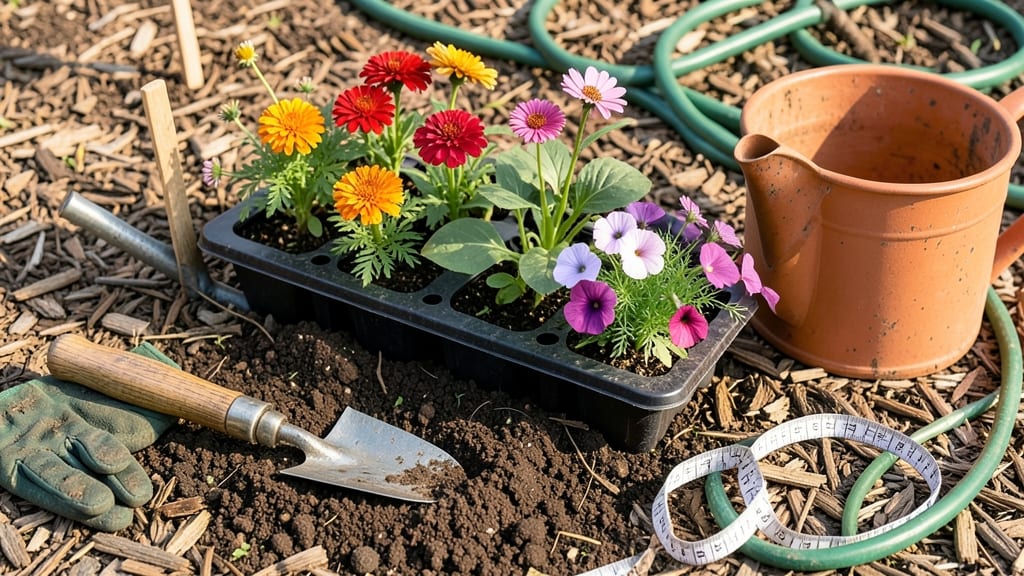
Planting a flower garden for beginners starts with a simple truth: the right layout makes all the difference—and I’ve tested what works (and what doesn’t) over three seasons of trial and error. 🌸 The key isn’t fancy plants or perfect rows; it’s choosing the right spot, prepping the soil, and arranging plants so they thrive together without competing for sunlight or water.
You’ll need just five basic tools—a shovel, gloves, a wheelbarrow, a rake, and a hose with a gentle spray nozzle—and about two hours on a weekend afternoon.
The soil should be loose, well-draining, and mixed with compost (I use a 50/50 blend of garden soil and compost for best results). Skip the expensive amendments unless your soil is truly poor—most beginners overcomplicate this step.
By the end of the season, you’ll have a garden that blooms continuously from spring to fall, with minimal fuss. The secret is grouping plants by sunlight needs (sun-lovers together, shade-tolerant plants clustered), which cuts down on deadheading and keeps pests in check.
Even my first attempt—with marigolds, zinnias, and petunias—looked stunning by mid-June. This method works for any size space, from a 4-foot-wide window box to a 10x10-foot backyard plot. The same principles apply whether you’re planting annuals for color or perennials for long-term beauty.
Let’s get those flowers in the ground!
📚 In This Guide
- What you need
- Instructions
- Tips and common mistakes
- Wrapping up and next steps
What you need
- ● Garden plot or containers: 1–3 raised beds (4’x8’ recommended) or
- ● 5–10 large pots (10–12” diameter) with drainage holes
- ● Soil: 1–2 cubic yards of high-quality garden soil (or potting mix for containers)
- ○ Optional: Compost (1 bag) for nutrient boost
- ● Seeds or seedlings: 10–20 easy-to-grow plants (e.g., marigolds, sunflowers, zinnias, or petunias)
- ● Pro tip: Start with perennials (like lavender or coneflowers) for long-term blooms!
- ● Basic tools: 1 trowel (for planting)
- ● 1 hand fork (for soil aeration)
- ● 1 watering can or hose with adjustable nozzle
- ● 1 pair of gardening gloves (to protect your hands!)
- ● Mulch (straw or shredded bark) to retain moisture
- ● Stakes or cages for tall flowers (e.g., sunflowers)
- ● Organic fertilizer (slow-release granules)
- ● Garden kneeler or small stool for comfort
- ● Plant labels (to track varieties)
Step-by-Step guide to designing your first flower garden
Here's how I teach complete beginners to create a thriving, low-maintenance flower garden that blooms all season.
🌱 Step 1: Choose the Perfect Location
Select a spot that gets at least 6 hours of sunlight daily—most flowering plants need full sun for vibrant blooms. I always check the area's light conditions at different times of day, especially in the morning when shadows are longest. Avoid low spots where water pools after rain, as soggy soil leads to root rot.
Test your site for a full week before planting. Mark the sunniest area with stakes and observe how sunlight moves. You'll notice some spots get morning sun only, while others receive afternoon heat—this helps determine which flowers thrive where. For beginners, focus on the sunniest part of your yard first.
🪴 Step 2: Prepare the Soil
Clear the area of grass, weeds, and debris, then loosen the soil to a depth of 12 inches using a garden fork or tiller. I like to work in small sections (about 3 feet by 3 feet) to avoid compacting the soil further. Remove any large rocks or roots that could hinder root growth.
Amend the soil with 2-3 inches of compost or well-rotted manure, mixing it thoroughly into the loosened soil. This improves drainage and provides essential nutrients. For clay soil, add 1 part sand to 3 parts soil to create a looser texture. Water the area lightly after amending to help the compost settle.
☀️ Step 3: Plan Your Layout
Design a simple layout with 3-5 different flower types to create visual interest. I recommend grouping plants with similar water and sunlight needs together. Place taller flowers (like delphiniums or hollyhocks) at the back or center, with medium-height plants (like salvia or black-eyed Susans) in the middle, and low-growing flowers (like marigolds or pansies) in the front.
Space plants according to their mature size—check the plant tags for spacing recommendations. For example, daylilies need about 2 feet of space, while petunias can be planted 8-12 inches apart. Sketch your layout on paper first to visualize the design before digging.
🌿 Step 4: Plant Your Flowers
Dig holes for each plant that are twice as wide as the root ball but only as deep as the root ball itself. Gently remove the plant from its container and loosen the roots if they appear circling. Place the plant in the hole, ensuring the top of the root ball is level with the surrounding soil.
Fill the hole with soil and press lightly around the base of the plant to remove air pockets. Water deeply to help the soil settle and encourage root growth. I like to add a 1-inch layer of mulch around each plant (keeping it 2 inches away from the stem) to retain moisture and suppress weeds. Avoid over-mulching, which can suffocate the plant.
💧 Step 5: Water and Maintain
Water your new garden deeply once a week for the first month, providing about 1 inch of water per week. Check the soil moisture by sticking your finger 1 inch deep—if it feels dry, water again. Early morning is the best time to water, as it reduces evaporation and fungal diseases.
Monitor your garden for pests or diseases, especially in the first few weeks. Remove any yellowing or wilted leaves promptly to prevent the spread of issues. Fertilize lightly with a balanced, slow-release fertilizer (like 10-10-10) every 6-8 weeks during the growing season. Avoid over-fertilizing, which can lead to lush foliage but fewer blooms.
Tips & tricks for perfect flower garden layouts
Creating a stunning flower garden starts with these essential tips that'll help you avoid common pitfalls and ensure your first garden thrives.
Sunlight Strategy: The 6 hours of sunlight mentioned in Step 1 is crucial, but here's what I've learned: morning sun (6 AM-12 PM) is gentler on delicate flowers, while afternoon sun (12 PM-6 PM) helps prevent fungal issues. If your garden gets intense afternoon heat, consider adding shade-loving perennials like asters or hostas to the western edge. This simple adjustment can double your plant survival rate!
Soil Prep Secret: When loosening soil to 12 inches in Step 2, I recommend adding a handful of perlite or vermiculite to the compost mix—this improves aeration and drainage without altering the soil structure. For clay-heavy soil, mix in 1 part sand and 1 part peat moss along with the compost for even better results. The key is creating a loose, crumbly texture that roots can easily penetrate.
Layout Planning: In Step 3, when sketching your design, I suggest using colored pencils or markers to represent different plant heights and bloom times. This visual helps you see how colors will interact throughout the seasons. Pro tip: Place annuals (like petunias) in front of perennials (like daylilies) so you can replace them easily each year without disturbing established plants.
Planting Technique: The twice-as-wide holes in Step 4 deserve extra attention. I've found that adding a small mound of compost to the bottom of each hole creates an ideal root environment. When placing the plant, press the soil firmly around the edges to eliminate air pockets—this prevents future watering issues. For container plants, gently squeeze the sides to encourage root spread before planting.
Pro Tips for Plant A Flower Garden For Beginners
- Creating a stunning flower garden starts with these essential tips that'll help you avoid common pitfalls and ensure your first garden thrives.
- If your garden gets intense afternoon heat, consider adding shade-loving perennials like asters or hostas to the western edge.
- Soil Prep Secret: When loosening soil to 12 inches in Step 2, I recommend adding a handful of perlite or vermiculite to the compost mix—this improves aeration and drainage without altering the soil structure.
Frequently asked questions
Got questions? You’re not alone—planting a flower garden can feel overwhelming at first! Here are answers to the most common queries from beginners, so you can dive in with confidence.
When is the best time to plant a flower garden?
The ideal time depends on your climate and flower types. In most regions, spring (after the last frost) or early fall are the best times. Cool-season flowers (like pansies) thrive in early spring, while warm-season blooms (like marigolds) prefer late spring or summer. Check your local frost dates for precision!
How often should I water my new flower garden?
Newly planted flowers need 1–1.5 inches of water per week, including rainfall. Water deeply 2–3 times per week in the first month to encourage root growth. Avoid overhead watering (to prevent fungal diseases) and water at the base of plants in the early morning for best results.
What do I do if pests or diseases appear?
Don’t panic! Start with preventative care: remove affected leaves, improve airflow, and water consistently. For pests like aphids or slugs, try neem oil, diatomaceous earth, or hand-picking. If diseases (like powdery mildew) strike, prune infected areas and apply fungicide. Most issues are manageable with early action!
Can I plant flowers in containers instead of a ground garden?
Containers are perfect for small spaces, renters, or mobility challenges. Use pots with drainage holes, well-draining soil, and choose compact or trailing flowers (like petunias, geraniums, or nasturtiums). Just ensure containers get at least 6 hours of sunlight daily and water more frequently than ground plants.
How much sunlight do flowers really need?
Most flowers thrive with 6–8 hours of sunlight daily, but some (like impatiens or ferns) tolerate shade. Full sun (6+ hours) = vibrant blooms, while partial shade (3–6 hours) = healthier foliage. Observe your garden’s sunlight patterns before planting—morning sun is gentler than harsh afternoon rays!
Wrapping up and next steps
You’ve got everything you need to start your dream flower garden! 🌸 Remember, success comes from preparation, patience, and passion—not perfection. Even small steps, like choosing the right soil or picking low-maintenance blooms, will reward you with vibrant colors and a sense of accomplishment.
Ready to take the next step? Start small—plant a few flowers this weekend, then expand as you gain confidence. Before you know it, your garden will be buzzing with life (and maybe even butterflies!). Happy planting! 🌱