
Plants
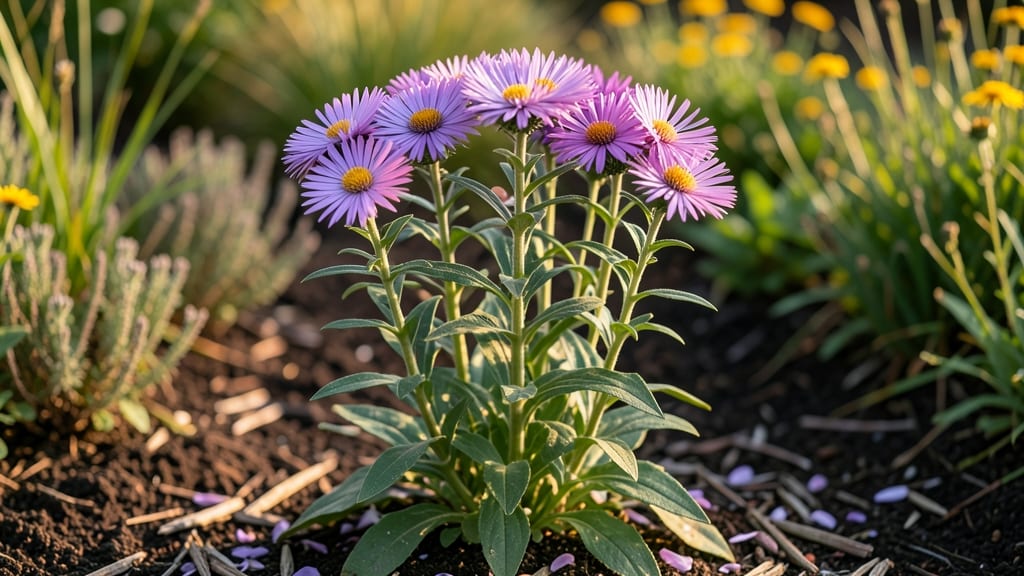
Asters are indeed perennials in Zone 6, where they reliably return year after year with the right winter care—like heavy mulching and cutting back dead foliage after frost—but some varieties may still need extra protection during extreme cold snaps.
Asters thrive in Zone 6 because their deep root systems and crowns can withstand temperatures down to 10°F when properly insulated. 🌱 The key is protecting the crown from freeze-thaw cycles, which can crack roots.
I've found that 3-4 inches of mulch (like shredded leaves or straw) works best—it acts like a blanket, keeping the soil temperature stable. Some gardeners also wrap clumps in burlap for added security during brutal winters.
Not all asters are created equal, though. Varieties like 'Patriot Dawn' and 'Wood's Purple' are particularly hardy, while taller types might flop under heavy snow. Cutting back stems to 4-6 inches after frost prevents disease and makes spring regrowth stronger.
Think of it like giving your plants a fresh start every winter!
💡 In This Article
- Zone 6 Asters: Cold Tolerance and Overwintering Science
- Best Asters for Zone 6 Gardens and Winter Prep Guide
Zone 6 asters: cold tolerance and overwintering science
Asters in Zone 6 survive winters thanks to their deep taproots, which can extend 2-3 feet below the soil surface. These roots store carbohydrates and water during dormancy, acting like a natural battery to fuel spring regrowth.
The crown—the thickened stem base—contains meristematic cells that remain protected beneath the soil, even when surface temperatures drop to 10°F. This hardiness explains why asters bounce back after frost, unlike shallow-rooted annuals that die back completely. 🌱
The real challenge isn't just the cold, but freeze-thaw cycles that can crack crowns and roots. When water expands as it freezes, it creates pressure that damages plant tissues. Mulch acts as insulation by maintaining a stable soil temperature, reducing these damaging fluctuations.
A 3-4 inch layer of organic mulch (like straw or shredded leaves) can raise soil temperatures by 5-10°F compared to bare ground, creating a microclimate that protects the crown. Think of it as a thermal blanket that keeps the plant's vital parts safe from winter's most destructive forces.
Science shows that asters enter dormancy when day lengths shorten and temperatures consistently drop below 50°F. During this time, they reduce metabolic activity by up to 90%, conserving energy until spring. This adaptation is what makes them perennials—unlike annuals that complete their life cycle in one season.
The key to success in Zone 6 is helping them maintain this dormancy state without stress from temperature swings or moisture loss. Proper mulching and cutting back dead foliage (which can harbor pests and diseases) are critical steps in supporting this natural process.
Not all asters have equal cold tolerance, though. Native species like Symphyotrichum novae-angliae (New England aster) typically handle Zone 6 winters better than some hybrid varieties bred for showy blooms. The trade-off is often between hardiness and vigor—some of the most disease-resistant types may have slightly less dramatic flowers.
Gardeners in colder microclimates within Zone 6 (like higher elevations) might need to take extra precautions, such as adding an extra layer of mulch or using frost blankets during prolonged cold snaps.
What most gardeners don't realize is that the timing of winter care matters just as much as the care itself. Applying mulch too early (before the ground freezes) can trap moisture and lead to rot, while waiting too long leaves the plant vulnerable.
The ideal window is after the first hard frost but before consistent sub-freezing temperatures set in. This timing ensures the plant is already dormant but still protected when winter arrives in full force. 💫
For those in Zone 6 with particularly harsh winters, consider the crown insulation method. After cutting back stems, mound soil or compost around the crown to create a protective barrier.
This technique can raise the crown's temperature by 15°F or more during extreme cold events, making a significant difference in survival rates. It's like giving your asters a cozy nest to weather the storm.