
Planting
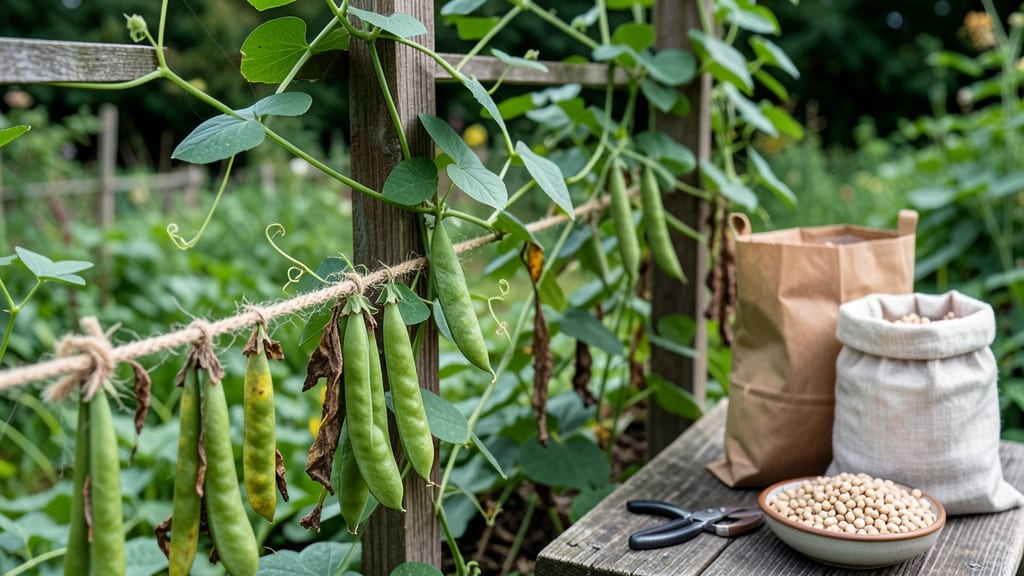
Drying peas transforms your summer harvest into next year’s pantry treasure. 🌱 The secret to perfect dried peas lies in timing—harvest when pods are fully mature but still crisp—and choosing the right method for your space.
Air-drying on the vine works in warm climates, but most of us need backup plans: a dehydrator, oven, or even a cool, dark basement. I’ve tried all three, and each has its place depending on how much time you’ve got and what equipment you’ve got handy.
Once dry, the peas keep their rich, sweet flavor for months. Store them in airtight containers away from light, and you’ll have a taste of summer ready whenever you need it. The process is simpler than you think, and the payoff is worth every minute.
Troubleshooting uneven drying or mold is easy once you know the signs. Here’s how to do it right the first time—no guesswork, just reliable results for your kitchen garden.
📚 In This Guide
- What you need
- Instructions
- Tips and common mistakes
- Wrapping up and next steps
What you need
- ● Fresh peas: 1–2 lbs (about 4–8 cups), picked at peak ripeness (slightly underripe for best texture). Rinse gently to remove dirt but keep them dry!
- ● Clean drying trays: 2–4 shallow, food-safe trays (baking sheets, cooling racks, or mesh screens work great). Line with parchment paper or clean, breathable cloth (like cotton or muslin).
- ○ Dehydrator (optional but recommended): A food dehydrator set to 125–135°F (52–57°C). If using an oven, preheat to lowest setting (100–120°F / 38–49°C).
- ● Fine-mesh strainer or sieve: For sifting dried peas to remove debris (if needed).
- ● Air-tight storage containers: Glass jars, Mylar bags, or vacuum-sealed bags with oxygen absorbers (for long-term storage).
- ● Labels & markers: To note the drying date and variety (e.g., "Sugar Snap Peas – June 2024").
- ● Food thermometer: To monitor temperature (especially if using an oven).
- ● Desiccant packets: Silica gel packs for extra moisture control in storage.
- ● Humidity monitor: If drying in a damp climate, aim for below 60% humidity.
- ● Glove or tongs: For handling hot trays or peas (safety first! 🔥).
- ● Pest-proof storage: A dark, cool pantry (50–70°F / 10–21°C) or root cellar.
Step-by-step instructions for drying peas at home
Here’s how I preserve peas for months ahead—simple, no-fuss, and packed with flavor.
🌱 Step 1: Harvest Peas at Peak Ripeness
Pick peas when pods are fully swollen but still slightly firm—this ensures tender, flavorful peas. Look for pods that snap easily when bent and contain plump peas inside. Avoid any that feel shriveled or have holes, as these won’t dry properly.
Harvest on a dry morning after the dew has evaporated. This prevents excess moisture from clinging to the pods, which can slow drying. Cut pods from the vine with clean scissors or fingers, leaving the stems attached to help them hang later.
🌿 Step 2: Clean and Prepare the Peas
Rinse the pods and peas under cool water to remove dirt or debris, but avoid soaking them. Excess moisture makes drying harder and can lead to mold. Pat the pods dry with a clean towel or let them air-dry on a wire rack for about 30 minutes before proceeding.
Shell the peas by gently squeezing the pods between your fingers or using a small knife to slit them open. Remove any discolored or damaged peas—they won’t dry well and may spoil the batch. Spread the shelled peas on a clean cloth or paper towel to air-dry for another 15-20 minutes before moving to the drying stage.
☀️ Step 3: Choose Your Drying Method
For best results, dry peas in a cool, dark, well-ventilated space. I use a dehydrator set to 135°F for 4-6 hours, checking frequently to avoid over-drying. If you don’t have a dehydrator, spread peas in a single layer on a wire mesh screen or clean baking sheet in a dry, shaded spot with good airflow.
If using an oven, prop the door open 2 inches and bake at 170°F for 2-3 hours, stirring every 30 minutes. Peas are ready when they’re hard and dry to the touch but still retain their color. Over-drying turns them brittle and affects flavor.
🪴 Step 4: Store Dried Peas Properly
Once fully dry, let the peas cool completely before storing. Transfer them to airtight glass jars or vacuum-sealed bags to keep out moisture and pests. Label each container with the date and variety—properly stored peas stay fresh for 6-12 months in a cool, dark pantry.
Check stored peas periodically for signs of moisture or pests. If you notice any dampness or webbing, redistribute them in a dry environment and reseal. Freezing is another option if you prefer, but drying preserves texture and flavor better for long-term use.
⏰ Step 5: Test and Use Your Dried Peas
Before cooking, soak dried peas in cold water for 8-12 hours or hot water for 2 hours to rehydrate. Discard the soaking water and rinse before use. Cook in fresh water for 45-60 minutes until tender. The longer they soak, the quicker they’ll cook—perfect for meal prep!
Use dried peas in soups, stews, or salads just like fresh ones. They’re especially great for slow-cooked dishes where extra flavor and texture shine. Store any leftover cooked peas in the fridge for 3-4 days or freeze for up to 3 months.
Tips & tricks for perfect pea preservation
These simple secrets will help you preserve your peas like a pro—no special equipment required!
Harvest Timing Matters: I can't stress this enough—harvest peas on a dry morning after dew evaporates. The pods should be fully swollen but still firm, and the peas inside should feel plump. If you harvest too early, they won't have developed full flavor, and if you wait too long, they'll be tough and shriveled. The 30-minute air-dry time after rinsing is crucial too; it prevents moisture from slowing down your drying process later.
Drying Method Flexibility: While the dehydrator at 135°F for 4-6 hours is ideal, don't stress if you don't have one. A well-ventilated, cool, dark spot with good airflow works just as well—just spread peas in a single layer on a wire mesh screen. For oven drying at 170°F, that open door is key! It prevents steam buildup that would make your peas soggy. Stirring every 30 minutes ensures even drying without burning.
Storage Wisdom: The 6-12 month shelf life only applies if you store peas properly. Glass jars with airtight seals are best—they let you see the peas and check for moisture. Vacuum-sealed bags work too, but I've found glass jars make it easier to spot any potential issues like webbing or dampness. Always label with the date, and store in a cool, dark pantry away from heat sources or fluctuating temperatures.
Rehydration Shortcut: For meal prep, I like to soak peas in cold water overnight (8-12 hours) and then cook them the next day. The longer soak time means they'll cook faster—perfect when you're short on time. Just remember to discard that soaking water and rinse before cooking to remove any potential bitterness that develops during soaking.
Pro Tips for Dry Peas
- These simple secrets will help you preserve your peas like a pro—no special equipment required!
- Harvest Timing Matters: I can't stress this enough—harvest peas on a dry morning after dew evaporates.
- Drying Method Flexibility: While the dehydrator at 135°F for 4-6 hours is ideal, don't stress if you don't have one.
Frequently asked questions
Got questions about drying peas? You’re not alone! Here are some of the most common concerns—and their answers—to help you master the process like a pro.
How long does it take to dry peas completely?
Drying peas properly takes 3 to 5 days in ideal conditions (70–80°F with good airflow). Check for readiness by snapping a pod—if it’s dry and brittle, they’re ready! Humidity or thick pods may extend drying time. Patience pays off for long-term storage.
Can I speed up the drying process?
While you can’t rush drying without risking quality, you can optimize conditions:
- Use a fan or dehumidifier to improve airflow.
- Spread peas on wire racks or screen trays for even exposure.
- Avoid direct sunlight—it can overheat and discolor peas.
How do I store dried peas long-term?
Once fully dried, store peas in airtight containers (glass jars or Mylar bags) in a cool, dark place (like a pantry or root cellar). Label with the date—they’ll last 1 to 3 years if moisture and pests are kept out. Freeze them for even longer shelf life!
What if my peas develop mold or pests?
Mold or pests mean your peas weren’t dry enough or were stored improperly. Discard contaminated batches immediately—don’t risk food safety! To prevent this:
- Ensure peas are 100% dry before storing.
- Use food-grade diatomaceous earth or oxygen absorbers in containers.
- Store in a pest-proof area (e.g., sealed jars in a cabinet).
Can I dry peas from the garden if they’re already overripe?
Yes, but overripe peas dry faster and may be tougher. For best results:
- Harvest when pods are firm but slightly dry (not shriveled).
- Remove peas from pods before drying if they’re too mature.
- Soak in cool water for 24 hours first if pods are woody to soften them.
Wrapping up and next steps
Drying peas for long-term storage is a rewarding way to preserve their fresh flavor and nutritional benefits—plus, it’s a fantastic way to reduce food waste! 🌱 With the right tools, patience, and a cool, dark space, you’ll unlock a pantry staple that’s ready to elevate your meals all year round. Start small, experiment with batches, and soon you’ll be a pro at turning this season’s harvest into next year’s treasure.
Now that you’re equipped with the know-how, why not try it today? Pick a sunny day to harvest, gather your supplies, and dive in—your future self (and taste buds) will thank you! 💚