
Planting
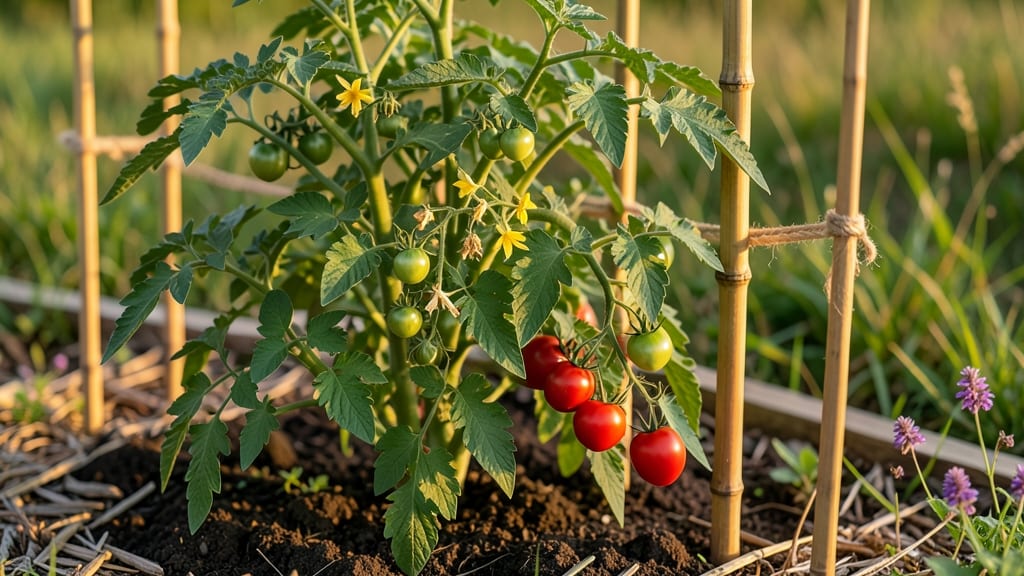
Figuring out how long till tomatoes grow from seed to harvest can be tricky—it usually takes about 60 to 90 days, depending on the variety and growing conditions you provide.
Picture this: you’re checking your seed packet, excited to see 70 days to maturity printed there, only to realize three months later that your plants are still sending out leaves instead of fruit.
That’s because the timeline isn’t set in stone—soil warmth, sunlight, and even your watering habits can speed things up or stall them completely.
In this guide, we’ll break down the exact growth stages of tomatoes, from the first sprouts to that first ripe 🍅, and reveal the factors that can cut your harvest time in half—or double it.
You’ll also learn which varieties are the fastest growers and how to read your plant’s signals to know when it’s ready for the table.
Whether you’re a first-time gardener or a seasoned green thumb, knowing the real timeline helps you plan for success—and avoid the frustration of waiting too long for those juicy rewards.

Tomato growth stages: exact timeline from seed to harvest
Growing tomatoes from seed to harvest is one of the most rewarding experiences in gardening, but the timeline varies dramatically based on your approach. If you're starting with seeds, expect a slower but more satisfying journey compared to buying seedlings.
The entire process—from planting to picking your first ripe tomato—typically takes 60 to 100 days, depending on the variety and growing conditions. For example, cherry tomatoes like 'Sweet 100' often mature in 55–65 days, while large heirlooms like 'Brandywine' can take 80–100 days or longer.
Understanding each growth stage helps you anticipate needs like transplanting, pruning, and fertilizing so you can accelerate the process. Soil temperature, sunlight exposure, and even watering consistency play critical roles in speeding up or slowing down growth.
For instance, hybrid varieties often mature faster than heirlooms, but both require optimal conditions to reach their full potential. Let’s break down the exact timeline for each stage, so you can plan your garden with confidence.
🌱
The first stage, germination, begins as soon as you plant your seeds. With optimal soil temperature between 70–85°F, you’ll see sprouts in 5–14 days. If your soil is cooler, germination can take 2–3 weeks longer. During this time, keep the soil consistently moist but avoid overwatering
Factors that speed up or slow down tomato growth time
Your tomato plants won’t follow a strict schedule—soil quality and temperature ranges are the biggest accelerators or delays. For example, warm soil above 70°F (21°C) speeds up germination by 30-50% compared to cooler conditions.
Meanwhile, rich, well-draining soil packed with compost can cut growth time by 2-3 weeks by providing essential nutrients upfront.
Consistent watering patterns also play a critical role. Drought stress stalls growth, while overwatering suffocates roots. Aim for 1-2 inches of water weekly, delivered deeply at the base to encourage strong root development. Morning watering is key—it reduces evaporation and fungal risks like blight that slow down your plants.
Sunlight exposure is non-negotiable: tomatoes need 6-8+ hours of direct sun daily. Partial shade can extend growth time by 10-15 days or worse, lead to poor fruit set. If you’re growing in containers or urban spaces, prioritize south-facing windows or use reflective surfaces to maximize light exposure.
⚡ Speed Up Growth
Keep soil above 70°F (21°C) for faster germination and root growth.
6-8+ hours daily accelerates flowering and fruiting by 10-20%.
Use 5-10-10 NPK every 4-6 weeks to avoid nutrient burnout.
1-2 inches weekly encourages strong roots and faster vine development.
⏳ Slow Down Growth
Below 60°F (15°C) delays germination by up to 2 weeks.
Excess nitrogen promotes leaves over fruit, stalling harvest time.
Rough handling or root disturbance can delay growth by 7-10 days.
Drought stress or soggy soil weakens roots and slows vine growth.
Avoid these common mistakes that stall tomato growth: over-fertilizing with nitrogen-heavy mixes, transplanting too early before soil warms, or ignoring pests like aphids that sap energy. Even well-intentioned pruning can backfire if you remove too many leaves, reducing the plant’s ability to photosynthesize.
Pro tip: Use mulch to keep soil temperatures stable and moisture consistent. Organic mulch like straw also adds nutrients as it breaks down, giving your tomatoes a steady growth boost.
Monitor your plants weekly for signs of stress—yellowing leaves or stunted growth often signal an underlying issue like nutrient deficiency or pest damage.
With the right conditions, you can shave 2-4 weeks off the typical 60-90 day growth timeline. Pay attention to your plants’ cues, and don’t hesitate to adjust care as seasons change. Happy growing! 🌱