
Planting
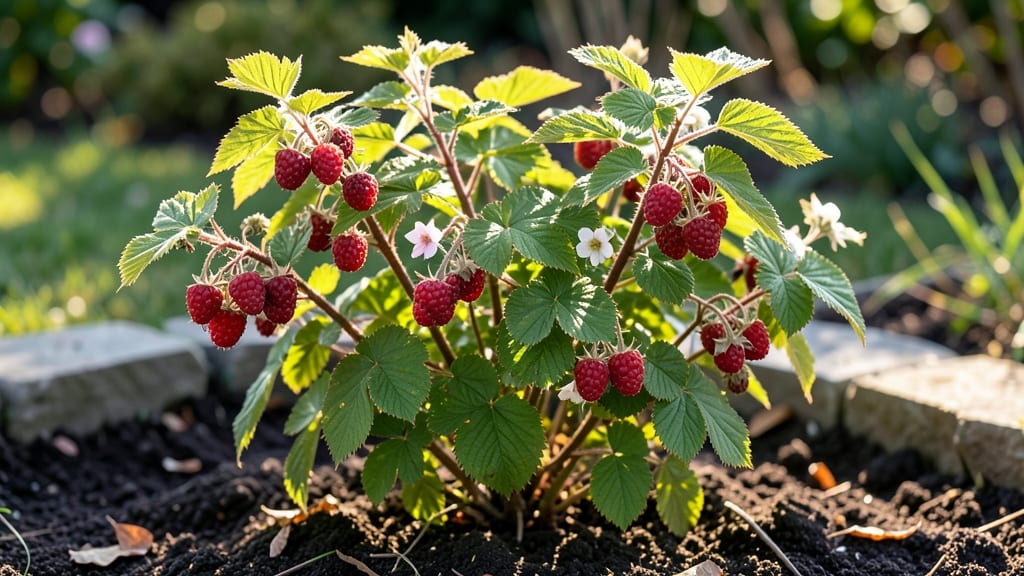
A raspberry bush takes 2 to 3 years to grow from planting to its first full harvest, with key milestones shaping its journey 🍇. You might think that means waiting forever, but breaking it down month by month makes the timeline feel surprisingly manageable—and even exciting.
In the first year, your raspberry bush will focus on growing strong roots and canes, reaching 2 to 3 feet tall by summer. It won’t produce fruit yet, but those early canes are the foundation for future harvests.
Meanwhile, the second year is where the magic happens: you’ll see flowers appear in spring, followed by your first real crop of berries by mid-summer.
Of course, not all raspberry bushes follow the same schedule—variety, climate, and care make a big difference. A fall-bearing type might surprise you with fruit in its first year, while summer-bearing varieties take a little longer.
But with the right conditions, you could be enjoying homegrown raspberries within just 18 months.
Below, I’ll walk you through the exact month-by-month stages, plus the simple tweaks you can make to speed things up—so you can plan your harvest like a pro.

Raspberry bush growth stages: month-by-month timeline from planting to first harvest
Raspberry bushes don’t produce fruit immediately—they follow a predictable growth cycle that spans 2 to 3 years from planting to full maturity. Understanding these stages helps you anticipate cane development, flowering, and harvest windows.
Summer-bearing varieties fruit once per year, while fall-bearing types produce two crops—a small summer harvest and a larger fall yield.
In your first year, focus on establishing strong roots and canes. The second year is when you’ll see flowers and your first modest harvest. By year three, a healthy raspberry bush can yield up to 2 pounds of berries per plant if given proper care.
Let’s break down what to expect each month to keep your plants on track.
Your raspberry bush’s first year is all about building a strong foundation. After planting in spring (April-May), focus on keeping the soil moist but not soggy. The young plant will send out primary canes that grow 2 to 3 feet tall by summer.
These canes won’t produce fruit yet—they’re the future floricanes that will bear next year’s harvest.
By late summer, these canes will begin hardening off, preparing for dormancy. This is when they store energy for next year’s growth. Pruning isn’t needed in year one, but you can remove any weak or diseased canes to redirect the plant’s energy.
Mulch heavily with straw or wood chips to protect roots during winter.
Entering year two, your raspberry bush will surprise you with flower buds appearing on last year’s canes (now called floricanes). Summer-bearing varieties will produce their first harvest in late June or July, while fall-bearing types may wait until August or September.
During this phase, water consistently and fertilize lightly to encourage fruit production without overstimulating new growth.
As you approach year three, your raspberry bush will enter its peak productive phase. With proper care, you can expect pounds of berries per plant during the harvest season.
This is when pruning becomes critical—remove all spent floricanes after harvest to make room for new primocanes that will fruit next year. Summer-bearing varieties produce one crop per year, while fall-bearing types offer two harvests—a small summer yield and a larger fall bounty.
Climate plays a huge role in your raspberry bush’s timeline. In warmer zones (USDA 8-10), growth accelerates, and you might see earlier flowering and longer harvest windows. In cooler regions (USDA 5-7), expect slower growth and potential delayed fruiting.
Always choose cold-hardy varieties like Boyne or Nova for northern gardens, while Heritage or Dorman Red thrive in heat.
Patience is key—don’t expect a full harvest until year three. However, with proper soil prep, sunlight, and watering, you’ll be rewarded with juicy, homegrown raspberries for decades. Start a garden journal to track your bush’s progress month by month—you’ll be amazed at how quickly
Factors that speed up or delay raspberry bush growth (and how to optimize them)
Raspberry bushes are resilient plants, but their growth speed depends heavily on your growing conditions and care habits. From soil quality to pruning techniques, small adjustments can make a big difference in how quickly your plants mature.
Understanding these factors will help you troubleshoot slow growth or accelerate development for an earlier harvest.
One of the biggest factors is sunlight exposure. Raspberry bushes thrive in full sun (6+ hours daily), but insufficient light slows cane development and reduces fruit production.
In shadier spots, growth can take 30-50% longer to reach maturity. If your yard lacks direct sunlight, consider container gardening near a south-facing window or fence.
Soil quality is equally critical. Raspberry bushes prefer well-draining, slightly acidic soil (pH 5.5-6.5) rich in organic matter. Poor soil leads to stunted roots and delayed growth. Before planting, amend your soil with compost or aged manure to create an ideal growing medium.
A simple soil test can reveal deficiencies like nitrogen or phosphorus that may be holding your plants back.
Watering habits also play a key role. While raspberries need consistent moisture, overwatering or underwatering can stress the plant. Aim for deep watering (2-3 gallons per plant) every 3-5 days, adjusting for rainfall.
Drought conditions slow growth, while soggy soil can cause root rot. Mulching with wood chips or straw helps retain moisture and regulate soil temperature.
Factors Affecting Raspberry Growth Speed
- Full sun (6+ hours) – Boosts cane growth by 30%
- Well-draining soil – Faster root establishment
- Regular pruning – Encourages new canes
- Balanced fertilizer – Supports vigorous growth
- Consistent watering – Prevents stress delays
- Partial shade – Slows cane development
- Compacted soil – Restricts root spread
- Overcrowding – Competes for nutrients
- Inconsistent watering – Causes stress
- Poor pruning – Reduces fruiting canes
Pruning is another game-changer. Summer-bearing varieties need annual pruning to remove old canes and encourage new growth, while fall-bearing types benefit from selective pruning to maintain productivity.
Improper pruning can delay fruiting by 6-12 months. Always use clean, sharp shears and prune in late winter or early spring before new growth begins.
Climate also influences growth speed. In warmer zones (USDA 7-10), raspberries grow faster due to longer growing seasons, while cooler climates (USDA 4-6) may see slower development. If you're in a shorter season, opt for early-maturing varieties like 'Heritage' or 'Nova' to speed up the process.
Microclimates—like sunny spots near fences—can also create ideal conditions for faster growth.
By optimizing these factors, you can reduce raspberry bush maturity time by up to 50% and enjoy an earlier harvest. Start with soil prep, ensure full sun exposure, and maintain a consistent care routine.
With the right conditions, your raspberry bushes will thrive and reward you with delicious fruit sooner than you think! 🍇