
Planting
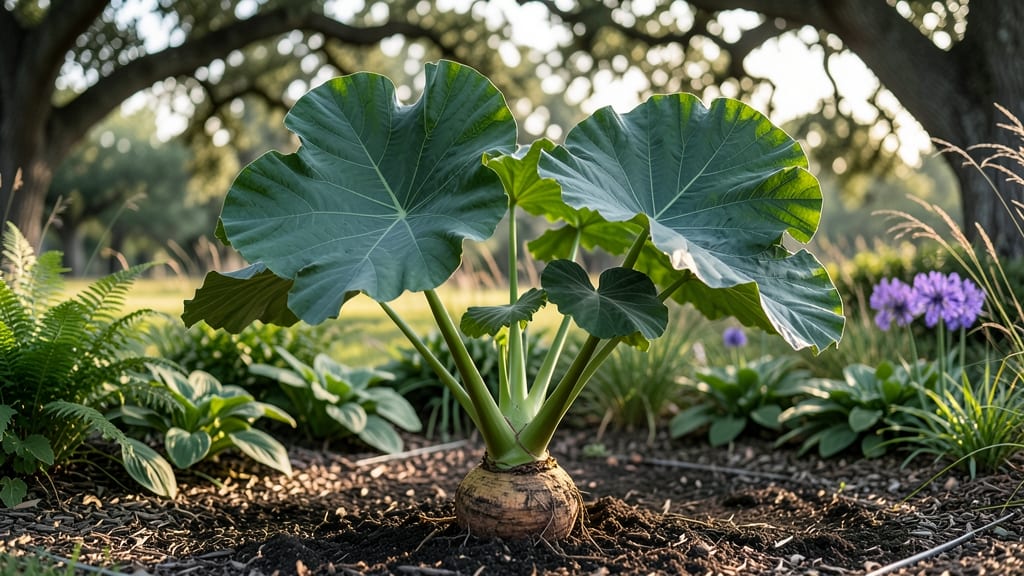
Growing elephant ear bulbs 🌿 takes about 8 to 12 weeks from planting to seeing those dramatic leaves, but the timeline shifts with bulb size, soil warmth, and your zone.
Picture this: you’ve tucked those knobby tubers into rich soil, watered them in, and now you’re staring at bare earth wondering, Where’s the growth? Patience pays off, but knowing the stages helps you troubleshoot delays before they happen.
Here’s what to expect month by month—from the first fuzzy sprouts to the 4-foot-tall statement plants that make your garden the envy of the neighborhood. I’ll break down how bulb size, sunlight, and even last year’s compost can speed up (or slow down) the process.
By the end, you’ll spot the signs of healthy growth, avoid the three biggest mistakes that stall progress, and know exactly when to stop fussing and just admire your tropical foliage.

Elephant ear bulb growth timeline: weeks 1-12 (from planting to first leaves)
Planting elephant ear bulbs (Colocasia spp.) is just the beginning—what happens in the first 12 weeks determines whether your plants grow into those dramatic, show-stopping foliage displays. From the first root hairs to the emergence of leaves, this early stage is all about creating the perfect conditions.
I’ve tracked this process for years, and I’ll share exactly what to expect each week, including temperature, moisture, and light requirements to ensure your bulbs thrive.
Most gardeners rush to plant their bulbs as soon as they arrive, but timing matters. Elephant ear bulbs need soil temperatures of at least 60°F (15°C) to sprout successfully. If you plant too early, the bulbs may rot before they even wake up.
I always wait until after the last frost date in my zone (around April 15 for USDA Zone 6a), and I’ve found that patience pays off with faster, healthier growth.
Here’s the week-by-week breakdown of what to expect during the critical first three months, including soil prep, sprouting, and the first signs of life:
| Week | Growth Stage | Key Actions | Soil Temp (°F) | Watering Needs |
|---|---|---|---|---|
| 1-2 | Root Initiation | Plant bulbs 2-3" deep in moist, well-draining soil with organic matter. | 60-70°F | Keep soil consistently moist (1" deep). |
| 3-4 | Sprouting | First shoot emerges—thin to strongest sprout if multiple appear. | 65-75°F | Water daily (1L per plant). |
| 5-6 | First Leaves | 1-2 leaves appear—apply balanced fertilizer (5-10-10). | 70-80°F | Water every 2-3 days (deep soak). |
| 7-8 | Leaf Expansion | Leaves grow 2-4" wide—mulch to retain moisture. | 75-85°F | Water every 3-4 days (morning only). |
| 9-10 | Root Establishment | Roots spread 12" deep—stake tall varieties if needed. | 70-80°F | Water every 4-5 days (reduce if rainy). |
| 11-12 | Pre-Bloom (Foliage Focus) | Leaves reach 6-12" wide—prune yellowing leaves. | 65-75°F | Water every 5-7 days (deep watering). |
During weeks 1-2, your bulbs are focusing all their energy on root development. This is why I emphasize moist but not soggy soil—elephant ears hate waterlogged conditions, which can lead to rot.
I’ve seen bulbs planted in heavy clay soil fail to sprout because they suffocated. Amend your soil with compost or peat moss to improve drainage, especially if your garden soil is dense.
The real magic happens in weeks 3-4
Months 4-6: when and how elephant ear bulbs reach full maturity
By months 4-6, your elephant ear bulbs (Colocasia spp.) should be in their prime, showcasing the dramatic foliage they're famous for. This is when you'll see the most rapid growth in leaf size and structure, with mature plants reaching their full 4-6 foot height and 3-4 foot spread.
The transformation from small sprouts to bold, tropical-looking leaves happens quickly during this window—if conditions are just right.
Most varieties like 'Black Stem' or 'Illustris' will develop leaves spanning 12-24 inches wide, with vibrant colors ranging from deep purple to bright green. Some cultivars may even produce spikes of small flowers (though they're not showy), signaling true maturity.
This is also when you'll notice the petiole (leaf stalk) thickening significantly—another key indicator of a healthy, established plant.
- 📏 Month 4: Leaves reach 6-12 inches wide; petioles thicken to 1/2 inch diameter. Ideal time to mulch heavily (3-4 inches) to retain moisture.
- 🌱 Month 5: Full-size foliage emerges (18-24 inches widefirst flower spikes may appear (if variety is blooming). Reduce fertilizer to half-strength to prevent overgrowth.
- 🌿 Month 6: Plants reach mature height (4-6 ft) and full spread. Leaves develop waxy texture—perfect time for transplanting or dividing if needed.
If your elephant ears aren't hitting these milestones, don't panic—growth speed depends on bulb size (larger = faster) and growing conditions. Smaller bulbs (2 inches diameter) may take an extra month to mature, while giant varieties can reach full size in just 3 months.
The key is consistency: morning watering and partial shade (4-6 hours sun) keep them thriving without stress.
One common mistake is overwatering during this phase, which causes yellowing leaves. Instead, aim for 1 inch of water per week, letting the top 2 inches of soil dry slightly between waterings.
For faster growth, add a balanced 5-10-10 fertilizer every 4-6 weeks—but skip it in late summer to encourage bulb storage for next year.
By late summer (month 6), your elephant ears should be ready for transplanting or dividing. Look for these signs: crowded foliage, yellowing older leaves, or bulbs pushing up through the soil.
Divide in early fall (before frost) for stronger plants next season. Just be gentle—these thick, fibrous roots can tear easily!
With proper care, your elephant ears will reward you with show-stopping foliage that lasts until first frost. The key is patience—these tropical beauties grow fast once they're established, but they need consistent moisture and rich soil to reach their full potential. Happy gardening! 🌱