
Planting
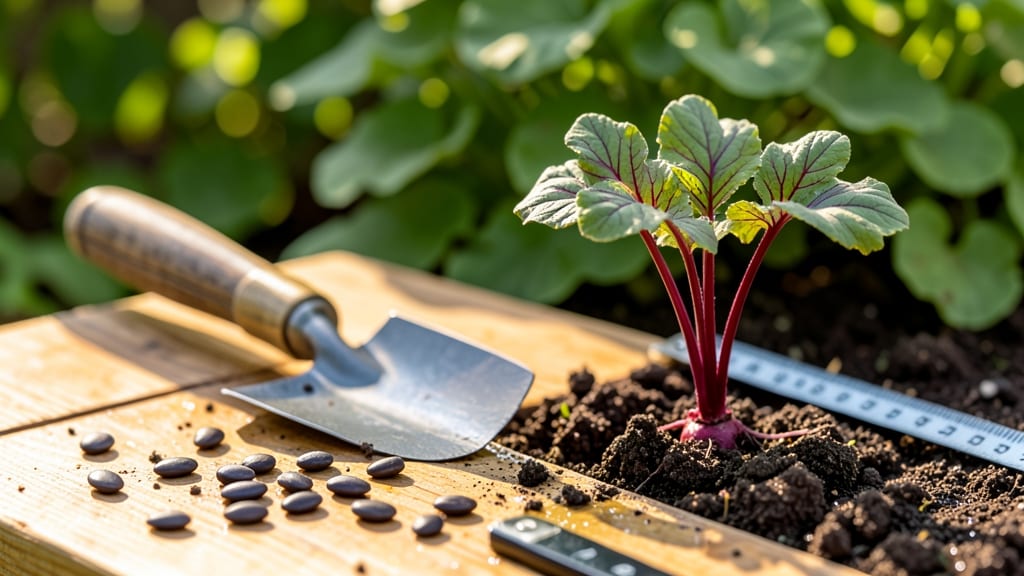
Beets should be planted 1-2 inches apart in rows spaced 12-18 inches apart—this spacing is the difference between straight, tender roots and a tangled mess in your garden.
Struggling with crooked 🍠 or stunted growth? The secret to straight, healthy harvests lies in precise planting distance—because beets aren’t just picky about soil, they’re territorial about space.
Too close, and they’ll fight for nutrients, leaving you with small, misshapen roots. Too far apart, and you waste precious garden real estate. Below, I’ll break down the exact math for spacing, thinning, and even squeezing more beets into small gardens without sacrificing yield.
You’ll learn how to adjust spacing for different beet varieties, when to thin seedlings without losing plants, and clever tricks for maximizing your harvest—even if your garden is tiny.
Optimal beet planting spacing: the math behind straight rows
Beets may look simple, but their planting math determines whether you’ll harvest perfectly shaped roots or lopsided, crowded messes. The key? Understanding how seed spacing and seedling spacing interact with your soil and beet variety.
Too close, and you’ll trigger competition for nutrients—leading to stunted growth or bolting. Too far apart, and you waste garden space. Let’s break down the ideal distances and why they matter.
Most gardeners start with 1-3 inches between beet seeds, but this changes once seedlings emerge. After thinning, your mature beets should sit 3-4 inches apart. This spacing reduces stress on the plants, prevents pest hotspots (like carrot rust flies), and ensures even sunlight exposure.
For round varieties like Detroit Dark Red, this spacing works perfectly. However, longer varieties like Chioggia (with their striped patterns) may need 4-5 inches to avoid crowding.
| Stage | Spacing (inches) | Depth | Notes |
|---|---|---|---|
| Seeds (initial) | 1-3 | ½ inch | Sow thinly to avoid overcrowding |
| Seedlings (after thinning) | 3-4 | — | Thin to strongest plants at 2-3 leaf stage |
| Row spacing | 12-18 | — | Allows for easy weeding and harvest |
| Long varieties (e.g., Chioggia) | 4-5 | ½ inch | Prevents root deformation |
Why does row spacing matter just as much as seed spacing? Beets need room to spread their leaf canopies without shading each other. Aim for 12-18 inches between rows to ensure airflow and easy access for weeding or harvesting.
This also helps prevent soil-borne diseases by reducing humidity trapped between plants. If your garden space is limited, consider block planting instead of rows—this can actually increase yields by 20-30% while saving space.
Soil depth plays a hidden role in spacing success. Beets need deep, loose soil (at least 12 inches deep) to develop their full roots. If your soil is shallow or compacted, amend with compost before planting.
For sandy soils, which drain too quickly, plant seeds slightly deeper (¾ inch) to encourage root growth downward. In clay soils, loosen the top 8-10 inches to prevent root restriction.
One common mistake? Assuming all beets need the same spacing. Baby beets (harvested small) can be planted 1 inch apart and thinned to 2 inches for quick microgreen-style harvests. Meanwhile, storage beets (like Golden Beets) need the full 3-4 inches to reach their full size.
Always check the seed packet guidelines—they’re your best friend for variety-specific advice.
Pro tip: Use a seed spacing template or straw markers to maintain even distances. I like to snap a toothpick into the soil at each planting spot to visualize the grid. This is especially helpful for beginner gardeners who might otherwise guess at spacing.
Over time, you’ll develop an eye for it—but starting with a guide keeps your rows uniform and professional-looking.
Bolting (when beets flower prematurely) is often a sign of overcrowding or stress. By giving your beets the right space, you reduce their need to compete for resources, which delays bolting and extends your harvest window.
Pair this spacing with consistent watering (1 inch per week) and mulching to keep soil moisture stable. Together, these practices create the perfect conditions for sweet, tender beets all season long.
For container gardening, adjust your spacing to fit your pot size. A 5-gallon pot can comfortably hold 4-6 beet plants spaced 3 inches apart, while a 10-gallon pot can accommodate 9-12 plants.
Just ensure your container has drainage holes and depth—beets hate soggy roots. In containers, you’ll also need to fertilize lightly every 4-6 weeks to replace nutrients leached from the soil.
Remember, the goal isn’t just straight rows—it’s healthy, high-yielding beets that store well and taste sweet. By mastering the math of spacing, you’ll transform your garden from a hit-or-miss
When and how to thin beets for maximum yield (without losing plants)
Thinning beets might seem like a waste of effort, but it’s the secret weapon for growing straight, plump roots instead of misshapen ones. When seedlings crowd together, they compete for nutrients and sunlight, leading to stunted growth and bolting.
The key is timing—thin when plants have 2-3 true leaves (about 2-3 inches tall), giving them enough space to develop properly.
Use the right tools to avoid damaging roots. Scissors or small pruners work best for clean cuts, while fingers can work in soft soil.
If you’re worried about wasting plants, don’t be—thinned beets are edible and can be repurposed into microgreens or even used as pest bait for slugs and aphids. Just avoid yanking seedlings, which can tear roots and invite rot.
Step-by-Step Beet Thinning Guide
- Step 1: Wait until seedlings are 2-3 inches tall with 2-3 true leaves.
- Step 2: Water the soil 1 hour before thinning to loosen roots.
- Step 3: Use scissors or fingers to snip or pinch the weakest seedlings, leaving the strongest spaced 2-3 inches apart.
- Step 4: Space rows 12-18 inches apart for airflow and sunlight.
- Step 5: Repurpose thinned beets as microgreens or compost.
Timing is everything—thinning too early can stress young plants, while thinning too late leads to overcrowding and pest problems. If you miss the window, you’ll end up with small, woody beets or bolted greens.
For small gardens, consider square foot gardening—plant 9 beets per square foot to maximize space without sacrificing yield.
Pro tip: If you’re growing baby beets, thin more aggressively (every 1-2 inches) to encourage faster growth. For mature beets, stick to 3-4 inches apart to allow roots to bulk up. Always thin on a cloudy day to reduce stress on remaining plants.
Don’t toss those thinned seedlings! Chop them up and use as mulch or toss them into a salad for a peppery kick. You can also ferment them like microgreens for a nutrient boost. Every part of the beet is useful—even the scraps!
After thinning, give your beets a light fertilizer (like fish emulsion) to help roots recover. Keep soil moist but not soggy, and watch for pests like leaf miners. With proper thinning, you’ll harvest beautiful, straight beets in just 60-70 days.