
Planting
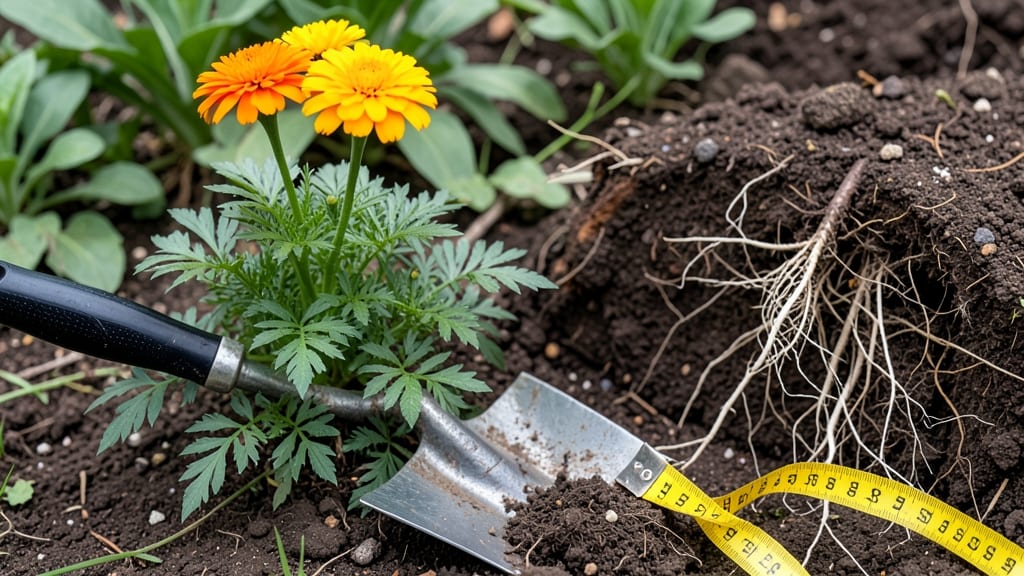
How deep do marigold roots grow? The answer might surprise you—these cheerful flowers send their roots 6 to 12 inches underground, deeper than many gardeners realize.
Wondering why your marigolds keep struggling despite perfect sunlight and water? The answer might be buried underground—literally. Understanding how deep marigold roots grow is the secret to planting, spacing, and nurturing these vibrant flowers for maximum bloom and pest resistance.
Most gardeners focus on the above-ground beauty, but healthy roots are what keep marigolds thriving. Too shallow, and they’ll struggle to anchor themselves or access nutrients. Too deep, and you risk overcrowding their space. Getting the balance right makes all the difference in how well your marigolds grow.
In this guide, I’ll break down the science behind marigold root depth, share practical planting tips, and reveal common mistakes that stunt growth. By the end, you’ll know exactly how to give your marigolds the strong foundation they need for a season of healthy blooms.

Marigold root depth explained: how deep they actually grow
If you’ve ever wondered why your marigolds seem unstable or struggle to thrive, the answer might lie beneath the soil surface. Marigolds develop a fibrous root system that spreads both wide and deep, but their exact depth can surprise even experienced gardeners.
Most marigolds establish roots between 6 to 12 inches deep, though this varies by variety and growing conditions. Understanding this depth helps with planting, watering, and even pest control.
Marigold roots aren’t just shallow spreaders—they have a primary taproot that anchors the plant, complemented by secondary lateral roots that branch out horizontally. This dual system allows them to access water and nutrients efficiently, especially in well-draining soil.
French marigolds, for example, tend to have slightly shallower roots (around 6–8 inches), while African marigolds can reach deeper, up to 10–12 inches.
Why root depth matters: Deeper roots improve stability, reduce wilting, and enhance nutrient uptake. Shallow roots, on the other hand, can lead to top-heavy plants that fall over or struggle in dry spells. For gardeners, this means adjusting planting depth, spacing, and even mulching strategies to support healthy root growth.
| Marigold Type | Root Depth Range | Root Spread Width | Key Soil Factor |
|---|---|---|---|
| French Marigold | 6–8 inches | 12–18 inches wide | Well-draining, loose soil |
| African Marigold | 10–12 inches | 18–24 inches wide | Sandy loam or compost-rich soil |
| Signet Marigold | 4–6 inches | 6–12 inches wide | Container-friendly, well-aerated |
Soil type plays a crucial role in determining how deep marigold roots grow. In clay-heavy soil, roots may struggle to penetrate beyond 4–6 inches due to compaction, while sandy or loamy soil encourages deeper growth.
Amending soil with compost or organic matter can loosen the texture, allowing roots to explore deeper layers. This is especially important in containers, where root growth is naturally restricted.
Another factor influencing root depth is water availability. Marigolds with deeper roots can access moisture from lower soil layers, making them more drought-tolerant. However, if the topsoil stays soggy, roots may suffocate and grow shallow.
Aim for consistent moisture without waterlogging to encourage healthy root development. Mulching with straw or shredded leaves helps maintain even soil moisture and temperature.
When planting marigolds, avoid burying seeds or transplants too deeply. Seeds should be placed 1/4 inch deep, while transplants can go up to 1–2 inches deep to support root establishment. Over-deep planting can lead to stem rot or stunted growth, as the plant struggles to reach the surface.
Pay attention to the cotyledons (seed leaves)—they should remain just above soil level for optimal germination.
For gardeners using marigolds as companion plants, deeper roots can help them outcompete weeds and pests like nematodes. Their root exudates release natural chemicals that deter harmful organisms, but this effectiveness depends on robust root systems.
If your marigolds have shallow roots, consider adding biochar or perlite to the soil to improve aeration and encourage deeper penetration.
Monitor your marigolds’ root health by gently loosening the soil around the base every few weeks. Healthy roots should be white or light tan, while dark or mushy roots signal overwatering or disease.
Adjust your care routine accordingly—whether that means reducing water, improving drainage, or adding compost to revitalize the soil.
In summary, marigold roots typically reach 6–12 inches deep, but this varies by variety and growing conditions. By understanding their root systems, you can optimize planting depth, spacing, and soil amendments to grow stronger, more resilient marigolds that thrive all season long.
Optimal planting depth and spacing for marigolds based on root growth
Getting the planting depth right for marigolds ensures their roots develop properly, leading to stronger plants and more vibrant blooms. Most marigold varieties have a root system that spreads 6–12 inches deep and 12–18 inches wide at maturity.
This means planting too deep or too shallow can stunt growth or invite pests like nematodes.
For marigold seeds, aim for a planting depth of 1–2 inches in well-draining soil. Seeds need darkness to germinate, so avoid pressing them too firmly into the soil.
If you’re using transplants, dig a hole just deep enough to cover the root ball while keeping the stem base slightly above soil level to prevent rot.
| Planting Method | Depth | Spacing (Inches) | Root Zone |
|---|---|---|---|
| Seeds | 1–2 inches | 6–8 inches apart | 6–12 inches deep |
| Transplants | Root ball covered | 8–12 inches apart | 12–18 inches deep |
| Containers | 1–2 inches (seeds) / Root ball (transplants) | 4–6 inches apart | 6–10 inches deep |
When planting in garden beds, space marigolds 6–12 inches apart to allow their roots to spread without competing for nutrients. In containers, reduce spacing to 4–6 inches since root growth is naturally restricted. Always use well-draining soil to prevent root rot, especially in pots where water can pool.
Adjust your watering schedule based on root depth. Deeper roots mean marigolds can access moisture better, so water deeply once or twice weekly during dry spells. In containers, check soil moisture daily since roots can’t spread as far and dry out faster.
Proper spacing also improves air circulation, reducing fungal diseases like powdery mildew. If you notice yellowing leaves or stunted growth, your marigolds might be overcrowded or planted too deep. Loosen the soil around them and adjust spacing to 12 inches apart for better airflow.
Remember, marigolds thrive when their roots have room to explore. By following these planting guidelines, you’ll encourage deeper root systems, leading to healthier plants and longer-lasting blooms all season. Happy planting! 🌼