
Planting
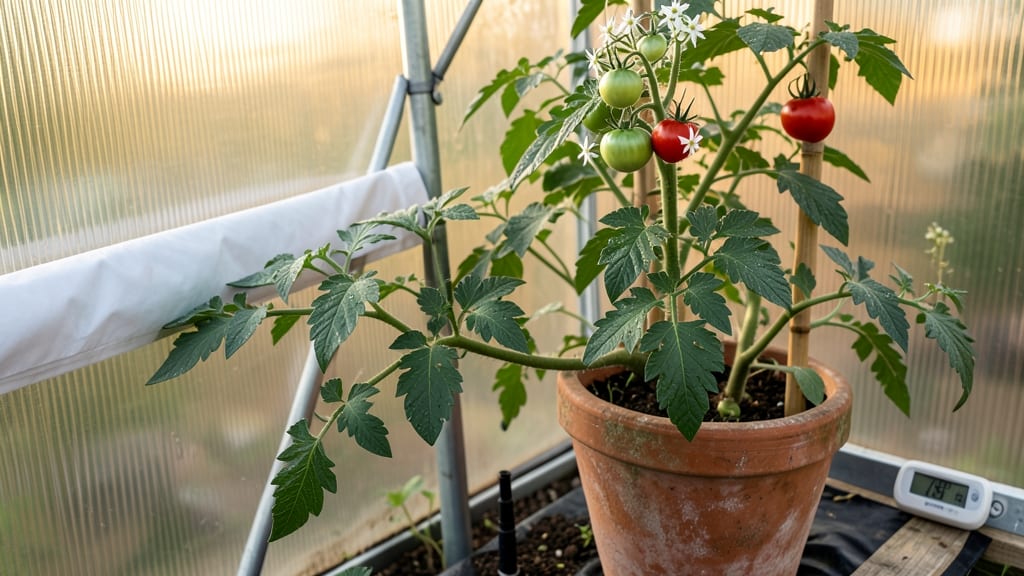
Greenhouses in Tennessee perform best in USDA zones 6-8, where extended growing seasons and moderate winters create perfect conditions for tomatoes, peppers, and flowers year-round. Prioritize sturdy polycarbonate panels and ventilation systems to handle Tennessee's humidity and seasonal temperature swings.
Tennessee's unique climate—with hot summers and surprisingly mild winters—makes it one of the best states for greenhouse gardening. 🌱 The key is balancing protection against rare late frosts with ventilation for summer heatwaves.
I've found that polycarbonate panels outperform glass in most Tennessee locations because they resist hail and provide better insulation during sudden temperature drops. For humidity control, automated vent openers save time and prevent mold issues that plague many growers.
What sets Tennessee apart is its microclimates—Nashville's urban heat island effect can add 5-10°F to winter lows compared to rural areas. This means you can grow tropical plants like papayas in heated greenhouses along the Cumberland Plateau while still maintaining cold-hardy crops in cooler mountain regions.
The secret is monitoring your specific zone's frost dates and adjusting planting schedules accordingly.
💡 In This Article
- Tennessee’s Ideal Greenhouse Climate Zones Explained
- Top Greenhouse Structures for Tennessee Growers
Tennessee’s ideal greenhouse climate zones explained
Tennessee spans USDA hardiness zones 6-8, with zone 7 being the most common across the state. This means winter lows typically range from 0°F to 10°F in zone 6 (northwest mountains) to 15°F to 25°F in zone 8 (southeast valleys).
The frost-free period extends from 180 days in zone 6 to 240+ days in zone 8, creating perfect conditions for greenhouse cultivation. 🌿 What makes Tennessee unique is how these zones overlap with microclimates—urban areas like Nashville (zone 7b) can be 5-10°F warmer than surrounding rural zones due to the urban heat island effect.
The extended growing season in Tennessee's greenhouse zones allows for year-round production of heat-loving crops like tomatoes, peppers, and cucumbers.
For example, in zone 7 (covering Middle Tennessee), you can start tomato seedlings indoors in January-February and transplant them outside by April 15, with a second planting possible in July-August for fall harvests.
The mild winters also enable overwintering of tender plants like basil and geraniums when protected by greenhouse structures. However, even in zone 8, occasional late spring frosts (below 28°F) can still threaten young plants, requiring row covers or temporary heating solutions.
Microclimates play a crucial role in greenhouse success across Tennessee's diverse geography. In the Cumberland Mountains (zone 6), greenhouses must handle more extreme temperature swings, while Memphis' zone 7b-8a allows for tropical plant experiments like pineapples with proper heating.
The key is selecting crops that match your specific zone's limitations—zone 6 growers should focus on cold-hardy varieties like kale and spinach, while zone 8 enthusiasts can attempt year-round citrus production. 🍊 Soil temperature is equally important, as most greenhouse crops require soil to reach 60°F+ before planting, which happens 2-4 weeks earlier in zone 8 compared to zone 6.
Understanding Tennessee's climate zones also affects greenhouse heating requirements. In zone 6 areas, supplemental heat may be needed for 3-4 months annually, while zone 8 greenhouses might only require heating for 1-2 months during cold snaps.
The state's humidity levels (average 75-80%) demand proper ventilation systems to prevent fungal diseases. Many Tennessee growers install automated vent openers that activate when temperatures exceed 85°F, maintaining optimal growing conditions while reducing manual labor. This climate intelligence allows for precise crop scheduling and maximum yield potential.
For those in transition zones (like zone 7a/7b boundaries), hybrid approaches work best. For instance, in Chattanooga (zone 7a), you might grow cold-hardy greens in winter while using greenhouse space for tomatoes in summer.
The key is monitoring your specific location's last frost date (typically April 15 in zone 6 to March 15 in zone 8) and first frost date (typically October 15 in zone 8 to November 15 in zone 6) to time plantings perfectly.
This zone-specific knowledge transforms Tennessee's climate from a challenge into a greenhouse gardener's advantage.