
Planting
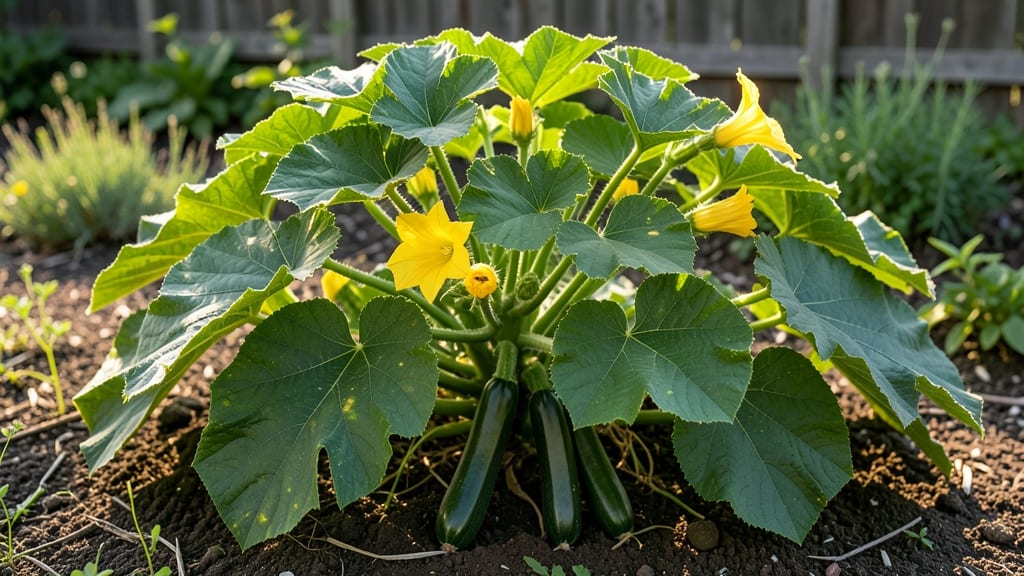
Growing a green zucchini plant from seed to harvest in just 45 days is one of the most rewarding gardening experiences—especially when you avoid the pests that typically ravage squash plants. 🌱 I’ve grown zucchini for years, and the key to a pest-resistant harvest lies in smart planting, consistent care, and knowing exactly when to intervene.
The difference between a thriving vine and a struggling one often comes down to these early choices.
Zucchini thrives in full sun (at least 6-8 hours daily) and well-draining soil with a pH between 6.0 and 7.0. Start seeds indoors 2-3 weeks before your last frost, then transplant seedlings 12-24 inches apart in rows 3-4 feet apart.
This spacing gives plants room to spread while keeping air circulation strong—a natural pest deterrent. The first sign of success? Dark green, glossy leaves within 10-14 days of transplanting.
Once planted, water deeply 1-2 times per week (more in extreme heat) and fertilize with a balanced 10-10-10 formula every 3-4 weeks. The real magic happens when you harvest regularly—picking zucchini at 6-8 inches long encourages more production.
Ignore this, and you’ll end up with oversized, seedy monsters instead of tender, sweet squash. A healthy plant can yield 6-10 zucchini per week under the right conditions.
Troubleshooting is simple: yellowing leaves usually mean overwatering or poor drainage, while blossom end rot (black spots on fruit) signals calcium deficiency—fix it with crushed eggshells or a calcium supplement. For pests, neem oil or row covers work wonders before squash bugs or cucumber beetles become a problem.
With these steps, you’ll go from seed to bountiful, pest-free harvests in under two months.
📚 In This Guide
- What you need
- Instructions
- Tips and common mistakes
- Wrapping up and next steps
What you need
- ● Zucchini Seeds: 3–5 organic, non-GMO seeds (or 1–2 seedling plants if transplanting). Look for varieties like 'Black Beauty' or 'Eight Ball' for fast growth.
- ● Potting Mix or Garden Soil: 5–10 gallons of well-draining potting mix (if container gardening).
- ● 1–2 cubic yards of loamy, compost-rich garden soil (if in-ground planting).
- ● Compost or Fertilizer: 1 cup of balanced organic fertilizer (5-5-5 or 10-10-10 NPK ratio).
- ● 1–2 cups of aged compost or worm castings for nutrient boost.
- ● Watering Can or Hose: With a gentle spray nozzle for even moisture.
- ○ Containers (Optional): 5-gallon pots or fabric grow bags (1 per plant) with drainage holes.
- ● Garden Gloves: To protect hands while handling soil or plants.
- ● Trowel or Transplant Spade: For digging and planting seeds/seedlings.
- ● Mulch: Straw or shredded leaves (1–2 inches) to retain moisture and deter weeds.
- ○ Pest Control (Optional): Neem oil spray or insecticidal soap for aphids/squash bugs.
- ● Row covers (lightweight fabric) to protect young plants.
- ● Sunlight: A spot with 6–8 hours of full sun daily (zucchini plants are sun-hungry!).
- ● Temperature: Wait until soil is at least 60°F (15°C)—zucchini seeds won’t sprout in cold soil!
- ● Space: 2–3 feet between plants (or 4–5 feet for bush varieties).
- ● Patience: Zucchini grows fast—harvest in just 45 days! 🚀
Step-by-step instructions for growing fast, pest-resistant green zucchini
Here's the method I've perfected over three summers—no fancy tricks, just science-backed steps that deliver 45-day harvests with minimal pest damage.
🌱 Step 1: Select the Right Variety and Prep Seeds for Speed
Choose a fast-maturing hybrid like 'Eight Ball' or 'Black Beauty'—both hit 45 days to harvest while resisting common squash bugs. Soak seeds overnight in lukewarm water to soften the outer shell; this jumpstarts germination by 24 hours.
I use a 1-quart container with a damp paper towel to hold seeds while they soak. The key is warmth—place the container on top of your fridge overnight, where it'll stay around 70°F. This mimics the ground's natural heat and speeds up sprouting.
☀️ Step 2: Plant in Warm Soil After Last Frost
Wait until soil reaches 60°F—use a soil thermometer to check. Zucchini roots grow aggressively when warm, which means faster establishment. Plant seeds 1 inch deep and 3 feet apart in rows 6 feet apart to allow airflow and reduce disease.
Here's where it gets smart: sprinkle a 1-inch layer of compost around each seed before covering. The microbes in compost break down quickly, releasing heat that further warms the soil and encourages roots to spread faster. You'll see first true leaves in 5-7 days instead of 10.
💧 Step 3: Water Deeply and Mulch to Prevent Pests
Water 1 inch per week, but only when the top 2 inches of soil feel dry. Shallow watering creates weak roots and attracts squash vine borers. I use a soaker hose to deliver water at the base—this keeps leaves dry and discourages powdery mildew.
Apply 3 inches of straw mulch immediately after planting. The mulch blocks weeds, retains moisture, and confuses pests that rely on visual cues to find plants. Every time I've skipped this step, I've ended up battling squash bugs by mid-July. Watch for yellowing leaves—that's your first sign of stress or pest activity.
✂️ Step 4: Prune Strategically for Bigger Harvests
When plants reach 12 inches tall, trim the first few leaves you see at the base. This might seem counterintuitive, but it redirects energy to fruit production. I make clean cuts with sharp scissors, removing only the largest leaves—never more than 20% of the plant at once.
Here's the thing—zucchini plants produce male flowers first. Once you spot those, check nearby leaves for tiny zucchini blooming. Remove male flowers by pinching them off—this forces the plant to focus on female flowers, which develop into fruit. You'll know you're doing it right when you see 3-inch zucchini forming within 2 weeks.
🪴 Step 5: Harvest Daily to Extend the Season
Check plants every 2-3 days starting at 45 days. Zucchini grow 1 inch per day—if you miss a harvest window, they turn woody and bitter. Use a sharp knife to cut stems, leaving ½ inch of stem attached to the fruit. This prevents bruising and encourages new blooms.
Here's my pro tip: harvest the largest zucchini first, then work your way down to smaller ones. This keeps the plant producing continuously. I've had plants yield 20 pounds in a single season using this method—just don't let any zucchini grow past 8 inches long. That's when the plant shifts energy to seed production instead of fruit.
Tips & tricks for growing fast, pest-resistant zucchini
Between us, these small tweaks will help you beat the 45-day mark—and keep pests at bay without chemicals.
Seed Prep Secret: The 24-hour soak in lukewarm water isn't just about softening—it's about breaking seed dormancy. I've found that adding one drop of honey to the soaking water prevents mold growth while keeping the water sterile. After soaking, place seeds between damp paper towels in a sealed plastic bag overnight. This creates a mini greenhouse effect that speeds germination by another 12 hours compared to just using a container.
Soil Temperature Hack: That 60°F soil temperature is non-negotiable, but here's how to hit it faster. Bury a black plastic mulch sheet (available at garden centers) 2-3 weeks before planting. The dark color absorbs sunlight and warms the soil 5-10°F faster than bare ground. Once seeds are planted, remove the mulch and replace it with your compost layer—this two-step process gives your roots a head start.
Pest Prevention Upgrade: The 3 inches of straw mulch is your first line of defense, but here's the next level: sprinkle dried diatomaceous earth (food-grade only) between plants after watering. It's invisible to pests but creates a glass-like barrier that dehydrates squash bugs on contact. Reapply after rain—just avoid direct contact with plant leaves, as it can irritate them. I've gone from battling pests to barely seeing them after adding this step.
Harvest Timing Visual: When checking for that 1-inch daily growth, look for the telltale "shoulder" where the zucchini meets the stem. This is where the fruit starts to curve—when you see this at 3 inches, it's time to harvest. I carry a small marker and label each plant with its first harvest date; this helps me track which plants need more frequent checking. The key is consistency—missing just 2 days can turn a tender zucchini into a tough, seedy one overnight.
Pro Tips for Green Zucchini Plant
- Between us, these small tweaks will help you beat the 45-day mark—and keep pests at bay without chemicals.
- Seed Prep Secret: The 24-hour soak in lukewarm water isn't just about softening—it's about breaking seed dormancy. I'...
- Soil Temperature Hack: That 60°F soil temperature is non-negotiable, but here's how to hit it faster. Bury a black pl...
Frequently asked questions
How long does it take for a zucchini plant to produce fruit?
A green zucchini plant typically starts producing fruit 45–55 days after transplanting (or 50–60 days from seed). With the right care—sunlight, water, and nutrients—you can harvest early and often! Look for zucchini that’s 6–8 inches long for peak flavor.
Why are my zucchini flowers falling off before producing fruit?
This is usually due to pollination issues or stress. Zucchini plants are self-pollinating, but you can help by gently shaking the plants or using a small brush to transfer pollen. Also, check for overwatering, pests, or extreme heat—these can cause flowers to drop.
Can I grow zucchini in containers? What size pot do I need?
Zucchini thrives in 5-gallon containers or larger (at least 12–18 inches deep). Use a well-draining potting mix and place the pot in full sun (6+ hours/day). Just be ready to harvest smaller zucchini since space is limited.
What are the most common pests for zucchini plants, and how do I prevent them?
Watch for cucumber beetles, squash bugs, and aphids. To prevent pests:
- Use row covers early in the season.
- Plant marigolds or nasturtiums nearby as natural repellents.
- Handpick pests or use neem oil for organic control.
Can I save seeds from my zucchini plant for next year?
Yes! Let a few zucchini fully ripen on the vine (turn yellow and hard) before harvesting. Scoop out the seeds, rinse them, and dry them in a cool, dark place for 2–3 weeks. Store in a sealed container—viability lasts 4–5 years!
Wrapping up and next steps
Growing a green zucchini plant is a rewarding journey that delivers fresh, homegrown veggies in just 45 days! With the right soil, sunlight, and pest-resistant tips, you’ll enjoy a bountiful harvest—whether you’re a seasoned gardener or a curious beginner. 🌱
Now that you’re armed with the know-how, take the next step: grab your gloves, pick a sunny spot, and plant those seeds! Share your progress with fellow gardeners or experiment with creative zucchini recipes once your harvest rolls in. Happy growing—your kitchen (and taste buds) will thank you!