
Planting
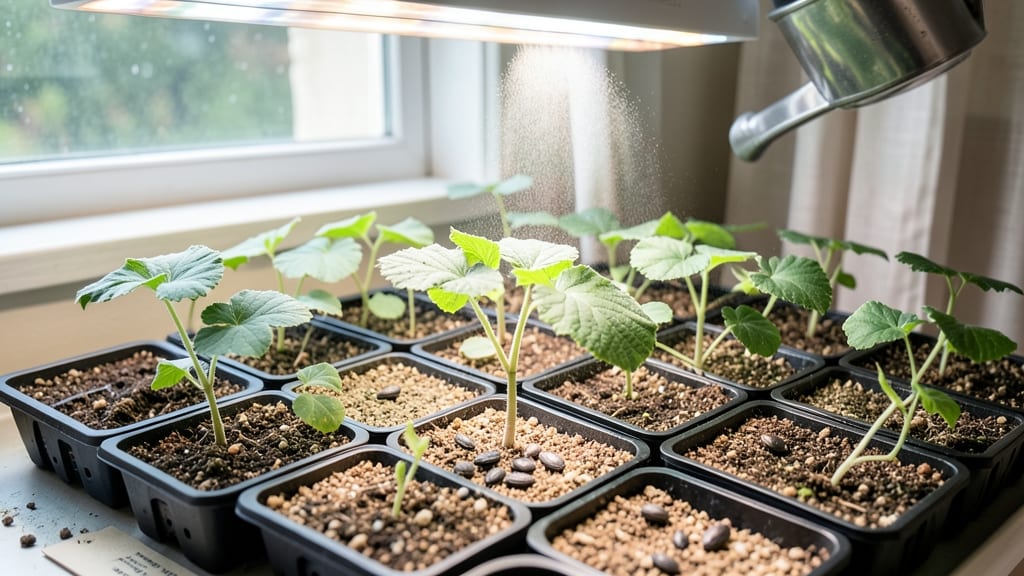
Planting cucumber seeds indoors 🥒 lets you control the environment and get a head start on the growing season—if you know the heat tricks that make all the difference.
Struggling to get those seeds to sprout? Most gardeners wait weeks for germination, but with a few simple adjustments—like pre-soaking seeds or using a heat mat—you can cut that time in half. Imagine seeing those first green shoots in just 3-5 days instead of two.
This guide covers everything from choosing the right containers and soil mix to keeping your seedlings happy until they’re ready for the garden. No more guessing—just faster, stronger starts that translate to bigger harvests by summer.
Ready to skip the waiting game? I’ll walk you through the exact steps to plant, nurture, and transplant your cucumbers like a pro—so you can enjoy crisp, homegrown slices before the season even begins.
Optimal heat tricks to germinate cucumber seeds indoors faster
Cucumber seeds thrive in warmth, and with the right heat tricks, you can cut germination time by 50% or more. Most seeds need consistent 75–90°F soil temperatures to break dormancy quickly.
Without proper heat, your seeds may take 2–3 weeks to sprout—when they could be up in just 3–7 days with these science-backed methods.
Heat mats, pre-soaking, and DIY greenhouse setups create the ideal environment. Cucumbers are warm-season crops, meaning they won’t germinate well in cool conditions. By mimicking their natural tropical origins, you’ll see faster, more uniform sprouting and healthier seedlings ready for transplanting.
Here’s how to apply these heat tricks step by step, from prepping your seeds to maintaining optimal temperatures until your first true leaves appear.
Step-by-Step Heat Germination Guide
- 1 Pre-soak seeds for 6–12 hours in lukewarm water (not hot) to kickstart hydration. Use a paper towel or seedling tray with a damp cloth to prevent over-soaking.
- 2 Use a heat mat set to 80–85°F under your seed trays. Place seeds ½ inch deep in moist soil, then cover with a clear plastic dome or humidity tent to trap heat and moisture.
- 3 Create a DIY greenhouse by placing your seed tray inside a clear plastic bag or under a glass jar (like a soda bottle with the bottom cut off). Position it on top of a refrigerator or sunny windowsill for passive heat.
- 4 Monitor soil temperature with a seedling heat thermometer ($5–$10). Ideal range is 75–90°F—any lower delays germination. If your home is below 70°F, supplement with a low-wattage bulb (40W) placed 6 inches above the tray.
- 5 Remove humidity cover once sprouts emerge (typically 3–7 days). Keep soil moist but not soggy—overwatering causes damping-off. Move seedlings to a bright, indirect light source (like a grow light) for 12–14 hours daily.
Pro tip: If your seeds still don’t sprout within 10–14 days, they may be old or damaged. Test a few by placing them in a damp paper towel in a warm spot—if they don’t sprout in 3–5 days, replace them with fresh seeds.
Once your cucumber seedlings have 2–3 true leaves (not just cotyledons), they’re ready for their next phase: transplanting into larger containers or hardening off before moving outdoors. This heat-boosted start means they’ll hit the garden weeks ahead of seeds planted directly in cool soil.
For extra speed, try chitting your seeds—placing them near a warm radiator or sunny windowsill for a few days before planting. This pre-warms the seeds, giving them a metabolic jumpstart as soon as they hit the soil.
Remember: Consistency is key. Fluctuating temperatures slow germination. Stick to your 75–90°F range, and you’ll see those first tiny green shoots in record time—setting your cucumber vines up for a longer harvest season! 🌱
Best containers and soil mix for indoor cucumber seedlings
Once your cucumber seeds have sprouted, the right containers and soil mix become critical for healthy seedling development. Cucumbers need room to grow and well-draining soil to prevent root rot and damping-off—common issues when starting seeds indoors.
I’ve learned that skipping these details can mean the difference between thriving seedlings and a sad, moldy mess.
For containers, I recommend starting with biodegradable pots (like peat or coconut coir) or plastic cell packs that are at least 2-3 inches deep. These give roots enough space to establish before transplanting.
Avoid small seedling trays—cucumbers need depth to prevent circling roots, which can strangle growth later. Drainage holes are a must to keep soil from staying soggy.
| Container Type | Size Requirements | Drainage Needs | Best For |
|---|---|---|---|
| Biodegradable Pots | 2-3" deep, 2" diameter | Bottom drainage holes | Seedlings, easy transplant |
| Plastic Cell Packs | 3" deep, 1.5" cell size | Pre-drilled holes | Batch starting, reuse |
| 5-Gallon Buckets | 12"+ depth, wide base | Multiple drainage holes | Large batches, trellising |
Soil mix is just as important as containers. Cucumbers thrive in a lightweight, well-aerated mix with a pH of 6.0–6.8. I mix 50% potting soil, 30% perlite or vermiculite, and 20% compost to create the perfect balance.
The perlite prevents compaction, while compost adds nutrients. Avoid garden soil—it’s too dense and can harbor diseases. Test your mix’s pH before planting; cucumbers hate acidic soil.
One trick I’ve picked up is adding a handful of sand or coconut coir to improve drainage further. This helps prevent damping-off, a fungal disease that turns seedlings into mushy stems overnight.
Keep the soil moist but not waterlogged—think "damp sponge," not swamp. A spray bottle works best for watering seedlings to avoid disturbing the soil surface.
If your seedlings start looking leggy or weak, it’s often a sign of poor soil structure or nutrient deficiency. At this stage, a light application of fish emulsion (diluted to half-strength) can give them a quick boost.
But don’t overdo it—too many nutrients now can burn delicate roots. Balance is key, just like in a well-tended garden bed.
Remember, the goal is to give your cucumbers a strong start so they’re ready to handle the great outdoors. With the right containers and soil mix, your seedlings will be sturdy, healthy, and eager to climb when transplant time comes. Happy growing!