
Planting
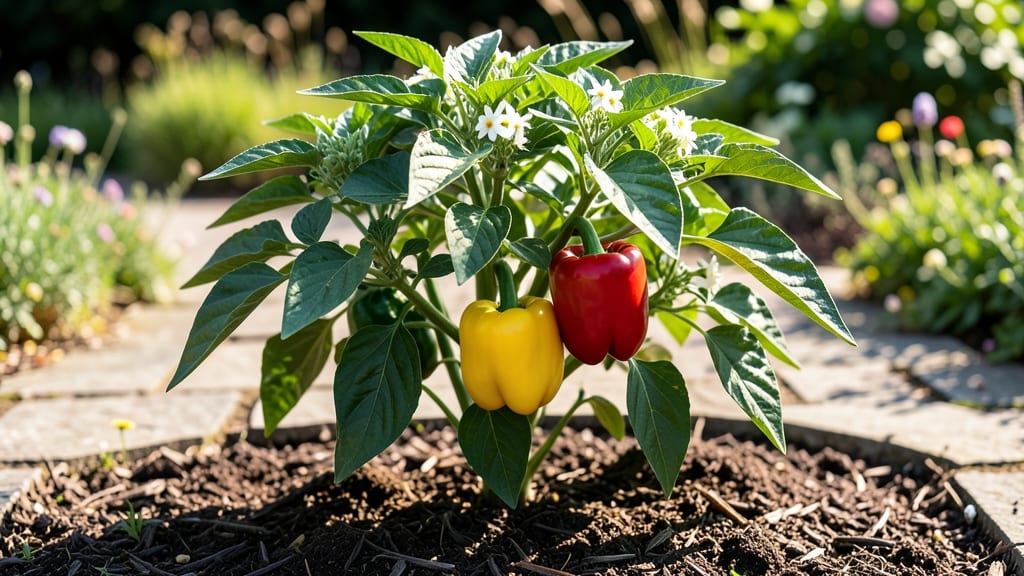
Wilted green pepper leaves don’t mean your harvest is doomed—this simple fix works every time. 🌱 I’ve nursed back dozens of drooping plants using the same three-step method, whether the problem’s water stress, pests, or disease. The key is acting fast before the whole plant gives up.
Start by checking the roots and soil: dry, compacted dirt or soggy conditions both cause wilting. Once you’ve adjusted watering, inspect leaves for pests like aphids or spider mites hiding on the undersides.
A strong spray of water often knocks them off, but stubborn infestations need neem oil or insecticidal soap. Within 48 hours, you’ll see leaves perk up again if the roots are healthy. For bacterial spots or mildew, remove affected leaves immediately and treat with copper fungicide.
Prevention is easier—just rotate crops yearly and keep plants spaced for airflow. This method works for bell peppers, jalapeños, and even chili plants in containers or garden beds. Let’s get those leaves crisp and green again!
Root Causes Behind Leaf Stress
Understanding why your green pepper plant leaves are struggling starts with identifying the hidden triggers behind their distress. Pepper plants (Capsicum annuum) are resilient, but when their leaves yellow, wilt, or develop spots, it’s often a cry for help from one of these common but fixable issues.
Let’s break down the science—and what’s really going wrong.
Why it happens: Pepper plants thrive in well-draining soil, but when roots sit in soggy conditions, they suffocate. Overwatering disrupts oxygen flow to the roots, leading to:
- Root rot (a fungal infection that blocks nutrient uptake).
- Wilting leaves (even when soil feels damp—plants can’t absorb water).
- Yellowing between veins (chlorosis), as roots fail to transport iron and other nutrients.
The science: Roots need aeration to respire. Waterlogged soil forces roots to switch to anaerobic respiration, producing ethanol (yes, like alcohol!)—toxic to plant cells.
Actionable clue: Check soil moisture by sticking your finger 2 inches deep. If it’s wet, hold off on watering.
Why it happens: While overwatering drowns roots, chronic underwatering causes leaves to curl, crisp, or drop. Pepper plants store water in their stems, but severe drought triggers:
- Plasma membrane damage in leaf cells (they lose turgor pressure, wilting instantly when touched).
- Nutrient deficiencies (roots can’t reach water to mobilize minerals like potassium or magnesium).
- Sunburn-like spots (leaves dry out faster in hot sun, leading to necrotic patches).
The science: Plants lose 90% of their water through transpiration (leaf pores). Without replenishment, cells plasmolyze—their membranes shrink away from cell walls, causing irreversible damage if prolonged.
Actionable clue: Wilted leaves that don’t perk up after watering may be permanently damaged. Mulch to retain moisture and water deeply 1–2 times per week (adjust for climate).
Why it happens: Pepper plants are heavy feeders, and poor soil leads to specific leaf symptoms tied to missing nutrients:
- Yellow leaves (especially older ones)? Likely nitrogen deficiency (chlorosis starts at leaf bases).
- Purple stems or young leaves? Phosphorus shortage (stunted growth, weak roots).
- Brown spots between veins? Potassium deficiency (weakens cell structure, making leaves prone to disease).
- Interveinal yellowing? Iron, manganese, or zinc deficiency (common in alkaline soils).
The science: Nutrients like iron must be chelated (bound to organic molecules) to be absorbed. In alkaline soils (pH >7), iron becomes insoluble, locking plants out.
Actionable clue: Test soil pH (ideal: 6.0–6.8). Amend with compost, sulfur, or Epsom salt (for magnesium) if deficient.
Why it happens: Hidden invaders sap nutrients or block photosynthesis:
- Aphids/spider mites: Pierce leaves, injecting toxins that cause stippling (tiny white/yellow dots) and curling.
- Whiteflies: Excrete honeydew, fostering sooty mold (black fungal growth on leaves).
- Fungal infections (e.g., early blight): Start as target-like brown spots with yellow halos, spreading in humid conditions.
- Bacterial leaf spot: Water-soaked lesions that oozes when pressed (common in wet foliage).
The science: Pests disrupt stomata (leaf pores), reducing gas exchange. Fungi like Alternaria solani thrive in 80–90% humidity, blocking light absorption.
Actionable clue: Inspect undersides of leaves for pests. Prune infected foliage immediately and use neem oil or copper fungicide preventively.
Why it happens: Pepper plants hate extremes.
Sudden changes trigger: - Cold drafts (<50°F): Causes chilling injury—water-soaked spots that turn brown (cell membranes rupture). - Heatwaves (>90°F): Leads to protein denaturation in leaves (they bleach or scorch). - Low light: Leggy, pale stems and small leaves (chlorophyll production drops). - Windburn: Dries out leaf edges, creating crispy, papery margins.
The science: Pepper plants are tropical—they evolved in consistent 70–85°F conditions. Temperature swings disrupt enzyme activity, halting growth.
Actionable clue: Use shade cloth in summer or row covers in spring. Move pots to protected spots during storms.
Why it happens: Disturbing roots—whether during repotting, pruning, or even overzealous weeding—triggers:
- Reduced water/nutrient uptake (damaged roots can’t function for 2–4 weeks).
- Wilting despite moist soil (roots aren’t absorbing water efficiently).
- Stunted growth (energy diverts to healing, not fruiting).
The science: Roots release hormones like auxin to regulate growth. Damaged roots overproduce ethylene, a stress hormone that accelerates leaf drop.
Actionable clue: If repotting, trim only 10% of roots and water lightly for 3 days post-transplant. Avoid fertilizing until new roots form (wait 2–3 weeks).
Quick Fixes for Pepper Plant Problems
Reviving your green pepper plant leaves starts with identifying the root cause—and then taking action! Below, we’ve broken down the most common issues (from the previous section) and paired them with practical, step-by-step solutions to get your plants thriving again.
Plus, we’ll share prevention tips to keep future problems at bay.
Fix it fast:
- Check the soil – Stick your finger 1-2 inches deep. If it’s soggy (overwatered) or bone-dry (underwatered), your peppers are stressed.
- Adjust your watering routine:
- Overwatered? Let the top 2-3 inches dry out before watering again. Move the pot to a well-draining spot (avoid saucers that trap water).
- Underwatered? Water deeply until it drains from the bottom, but never let leaves sit in puddles.
- Improve drainage – If your pot lacks holes, drill a few or repot into a container with perlite or sand mixed into the soil.
💡 Prevention tip:
- Use a moisture meter ($10 at garden stores) to avoid guesswork.
- Water in the morning so excess moisture evaporates by evening.
Fix it fast:
- Move your plant to a spot with morning sun + afternoon shade (especially in scorching climates).
- Mulch the soil with straw or wood chips to keep roots cool and retain moisture.
- Mist leaves lightly in the early morning to reduce heat stress (avoid evening misting—it invites fungus).
🌡️ Prevention tip:
- If growing in hot climates, use shade cloth (30-50%) during peak sun (11 AM–3 PM).
- Yellowing leaves? It could be salt buildup from tap water. Switch to rainwater or filtered water.
Fix it fast:
| Pest | How to Spot | Solution |
|---|---|---|
| Aphids | Sticky leaves, tiny green bugs | Spray with soapy water (1 tsp mild soap + 1 quart water). Repeat in 5 days. |
| Spider Mites | Fine webbing, speckled leaves | Wipe leaves with neem oil (1 tbsp oil + 1 tsp dish soap + 1 quart water). |
| Whiteflies | White moths fluttering away | Sticky traps near plants + yellow cards coated in petroleum jelly. |
| Caterpillars | Chewed holes in leaves | Handpick them (drop in soapy water) or use BT (Bacillus thuringiensis). |
🎯 Prevention tip:
- Encourage beneficial insects like ladybugs by planting marigolds or dill nearby.
- Inspect new plants before bringing them home—quarantine for 2 weeks if possible.
Fix it fast:
- Test your soil – A DIY kit ($5) or local extension service can check pH and nutrients.
- Fix common deficiencies:
- Yellow leaves? → Nitrogen (use fish emulsion or compost tea).
- Purple stems? → Phosphorus (bone meal or 5-10-10 fertilizer).
- Weak growth? → Potassium (wood ash or banana peel tea).
- Avoid over-fertilizing—peppers prefer balanced (10-10-10) or organic fertilizers every 4-6 weeks.
💡 Pro tip:
- Epsom salt (1 tbsp per gallon of water) can help with magnesium deficiency (yellowing between veins).
Fix it fast:
- Stake or cage your pepper plants if they’re top-heavy or flopping.
- Prune damaged leaves with sterilized scissors (dip in rubbing alcohol first).
- Move plants away from drafty areas (like near AC units or open windows).
✨ Prevention tip:
- Tie stems gently to stakes with soft plant ties (not wire, which can cut).
- Harvest regularly—overloaded branches are more prone to snapping.
Fix it fast:
- Remove infected leaves immediately and dispose of them in the trash (not compost).
- Spray with fungicide: - Baking soda spray (1 tsp baking soda + 1 quart water + few drops of soap). - Copper fungicide (follow label instructions).
- Improve airflow – Space plants 12-18 inches apart and avoid overhead watering.
🔥 Prevention tip:
- Water at the base (not leaves) to keep foliage dry.
- Rotate crops—don’t plant peppers in the same spot yearly (fungi linger in soil).
✅ Water correctly (soil test + drainage fix). ✅ Adjust sunlight (shade cloth if needed). ✅ Pest patrol (inspect weekly, use traps). ✅ Fertilize smartly (test soil first). ✅ Prune & support (remove damage, add stakes).
With these fixes, your green pepper plant leaves should perk up in 7-14 days! 🌿🔥 For persistent issues, consider repotting or consulting a local master gardener. Happy growing!
Frequently asked questions
Why are my green pepper plant leaves turning yellow?
Yellowing leaves usually signal overwatering or nutrient deficiencies. Check soil moisture—if soggy, reduce watering. Yellowing between veins often means iron deficiency (common in alkaline soil). Test your soil pH (6.0-6.8 is ideal) and amend with compost or chelated iron if needed.
How do I tell if my pepper plant leaves have pests or disease?
Inspect leaf undersides for pests: aphids (tiny green bugs), spider mites (fine webbing), or whiteflies (white moths). For disease, look for brown spots with yellow halos (early blight) or water-soaked lesions (bacterial spot). Prune infected leaves immediately and treat with neem oil or copper fungicide.
Can I save my pepper plant if the leaves are completely wilted?
Act fast! First, check soil moisture—wilting often means underwatering. Water deeply and move to shade. If leaves stay limp after 24 hours, roots may be damaged. For container plants, soak the pot in water for 10-15 minutes to revive roots. Severe cases might need repotting with fresh, well-draining soil.
What's the best fertilizer for pepper plants with weak leaves?
Use a balanced fertilizer (10-10-10) or organic options like fish emulsion for nitrogen (green leaf growth) or banana peel tea for potassium (strength). Avoid high-nitrogen fertilizers—they promote foliage over fruit. Apply every 4-6 weeks during growing season, and always water before fertilizing.
How often should I prune my pepper plant leaves?
Prune only when necessary: remove yellow, diseased, or damaged leaves regularly to improve airflow. For shaping, trim back 10-15% of the plant in early spring. Avoid heavy pruning—pepper plants produce fruit on new growth. Always use sterilized scissors to prevent spreading disease.