
Planting
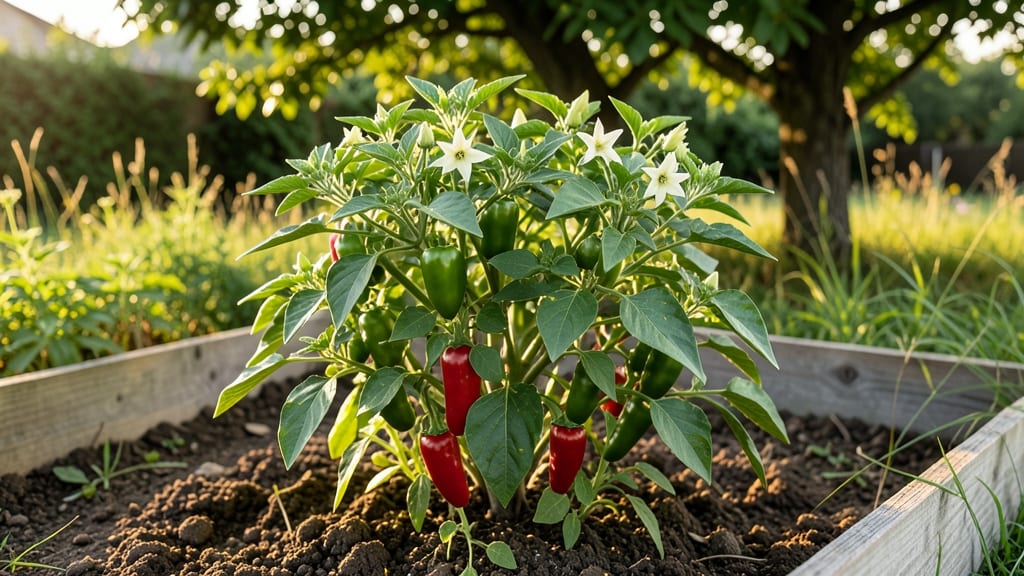
Jalapeño pepper plants unfold like a spicy season in five distinct stages—each with its own care needs. 🌱 From the first green crack in the seed coat to the glossy red peppers ready for pickling, understanding these phases turns guesswork into a foolproof harvest.
I’ve watched my own plants go from wobbly seedlings to bushy producers, and the difference between thriving and struggling comes down to timing and attention at each step.
The journey starts with germination, where seeds need warmth (70–85°F) and consistent moisture to break through soil in 7–14 days. Too cold, and they rot; too dry, and they give up.
Next comes the seedling stage—delicate stems need bright light (not direct sun) and gentle watering to avoid damping-off fungus. Skip this step, and you’ll end up with leggy, weak plants that never recover.
By transplanting time, your jalapeños should have 4–6 true leaves and a sturdy stem. Harden them off for a week before moving to full sun (6–8 hours daily) and well-draining soil.
Flowering follows, when those telltale white blooms appear—pollination here determines fruit set. Too much heat or wind? Hand-pollinate with a soft brush for better yields.
The final stage is fruit maturation, where peppers shift from green to red (or stay green if picked early). Here, consistent watering (1–1.5 inches per week) and balanced fertilizer keep them growing. Watch for pests like aphids or blossom-end rot—both steal from your harvest.
With the right care, you’ll go from seed to spicy harvest in 90–120 days, and every stage becomes easier the more you practice.
📚 In This Guide
- What you need
- Instructions
- Tips and common mistakes
- Wrapping up and next steps
What you need
- ● Jalapeño seeds: 5–10 seeds (or 1–2 pepper plants if starting with seedlings). Choose heirloom or hybrid varieties like Jalapeño M or Early Jalapeño.
- ● Containers or garden bed: For seedlings: 4–6 inch pots (biodegradable or plastic) or seed trays with drainage holes.
- ● For transplanting: 12–18 inch pots or a garden bed with at least 18–24 inches of spacing between plants.
- ● Potting mix: 5–10 gallons of well-draining, sterile seed-starting mix (avoid garden soil). Add perlite or vermiculite for aeration.
- ● Grow lights or sunny window: LED grow lights (12–16 hours/day) or a south-facing window (if starting indoors).
- ● Watering can or spray bottle: With a fine mist setting for seedlings.
- ● Fertilizer: Seedling stage: Balanced liquid fertilizer (e.g., 5-5-5 or 10-10-10) diluted to half-strength.
- ● Vegetative stage: High-nitrogen fertilizer (e.g., 10-5-5) or compost tea.
- ● Flowering/fruiting: Low-nitrogen, high-phosphorus fertilizer (e.g., 5-10-10).
- ○ Support structures (optional but helpful): Cages, stakes, or trellises (3–4 feet tall) to support heavy pepper plants.
- ● Twine or soft plant ties for securing vines.
- ● Temperature: Seeds germinate best at 75–85°F (24–29°C). Mature plants thrive in 70–85°F (21–29°C).
- ● Sunlight: 6–8 hours of direct sunlight daily (indoors or outdoors).
- ● Humidity: Moderate humidity (40–60%) for seedlings; reduce to 30–50% as plants mature.
- ● Hardiness zone: USDA Zones 8–11 (or grow in containers and bring indoors in cooler climates).
- ● Heat mat: Speeds up germination for stubborn seeds.
- ● pH test kit: Ideal soil pH is 6.0–7.0.
- ● Mulch: Straw or shredded leaves to retain moisture and regulate soil temp.
- ● Pruning shears: For shaping plants and removing suckers.
- ● Pest control: Neem oil, insecticidal soap, or row covers for aphids/whiteflies.
Step-by-step guide to jalapeño pepper plant development
Watch your peppers transform through distinct growth phases—each with its own care needs.
🌱 Step 1: Germination and Seedling Emergence
Sow seeds ¼ inch deep in warm, moist soil at 75-85°F. Germination typically occurs in 7-14 days, though cooler rooms may extend this to 3 weeks. You'll know it's working when tiny green sprouts push through the soil—these are your first true leaves, not the initial seed leaves.
Keep soil consistently damp but never soggy during this phase. I use a humidity dome or plastic wrap to maintain even moisture, but remove it immediately once 50% of seeds have sprouted to prevent fungal issues. Watch for leggy seedlings—if stems stretch toward the light, your seedlings need stronger light or closer placement.
🌿 Step 2: Vegetative Growth and Leaf Development
Once seedlings develop their first true leaves (the second set after the initial seed leaves), they enter the vegetative phase. This is when you'll see rapid leaf production and stem thickening. Provide 6-8 hours of sunlight daily and maintain soil moisture by watering when the top inch feels dry.
This stage lasts 4-6 weeks and is critical for building strong plants. I fertilize lightly with a balanced 10-10-10 formula at half strength to encourage healthy foliage growth. Avoid overwatering—pepper plants hate soggy roots and may develop root rot if kept too wet.
☀️ Step 3: Flowering and Fruit Set
When plants reach 12-18 inches tall with 6-8 leaves, they'll begin producing flower buds. These small white or pale yellow blossoms signal the transition to fruiting. Flowering typically occurs 6-8 weeks after germination, but cooler temperatures can delay this phase.
Support pollination by gently shaking plants or using a small brush to transfer pollen between flowers. For indoor growers, I often use a small fan on low setting to simulate wind pollination. Once flowers drop, small green peppers will form—this is your first sign of fruit development.
🌶️ Step 4: Fruit Maturation and Harvest
Jalapeños go through distinct color changes as they mature: green → yellow → red. Green peppers are typically harvested at 3-4 inches long for maximum heat and flavor, but they can be left on the plant to ripen fully. The maturation process takes 60-75 days from transplanting for green peppers.
Harvest by cutting stems with pruning shears to avoid damaging the plant. You'll notice the fruit firm up and develop a slight waxy coating as it ripens. For continuous harvests, pinch off any remaining flower buds after your first harvest—this redirects the plant's energy to existing fruits rather than new growth.
Tips & tricks for perfect jalapeño pepper growth
Mastering each phase of jalapeño development means paying attention to subtle cues—here's how to optimize every step.
Germination Environment: The 75-85°F soil temperature range is non-negotiable for consistent germination. I use a seedling heat mat set to 80°F for reliable results—especially in cooler climates. Place your seed trays on top and monitor with a soil thermometer. If your room stays below 70°F, consider a small greenhouse or clear plastic dome to create a microclimate. The 7-14 day window can stretch dramatically with cooler temperatures, so patience is key during this phase.
Light Management Secret: That 6-8 hours of sunlight during vegetative growth isn't just about duration—it's about intensity. South-facing windows provide the strongest natural light, but if your seedlings start stretching toward the light (a sign of legginess), supplement with a grow light placed just 2-3 inches above the plants. I've found that rotating trays daily ensures even growth—peppers naturally grow toward the light source, which can create lopsided plants if left unattended.
Pollination Hack: For indoor growers struggling with fruit set, I've had the most success with a small battery-operated fan running on low for 15 minutes twice daily during flowering. The gentle breeze mimics natural wind pollination better than manual brushing. You'll know it's working when you see tiny green peppers forming within 7-10 days of successful pollination. This method also helps prevent the common issue of flower drop, which occurs when pollen isn't properly transferred.
Harvest Timing: The 3-4 inch size guideline for green peppers is ideal for maximum heat and flavor, but don't harvest based solely on size—check the stem first. A mature pepper will have a slight waxy coating and firm texture. I harvest mine in the early morning when peppers are most hydrated, using clean pruning shears to avoid damaging the plant. For continuous production, pinch off any remaining flower buds immediately after your first harvest—this redirects the plant's energy to the existing peppers rather than new growth.
Pro Tips for Jalapeno Pepper Plant Stages
- Mastering each phase of jalapeño development means paying attention to subtle cues—here's how to optimize every step.
- Germination Environment: The 75-85°F soil temperature range is non-negotiable for consistent germination.
- Light Management Secret: That 6-8 hours of sunlight during vegetative growth isn't just about duration—it's about intensity.
Frequently asked questions
Got questions about growing jalapeño peppers? You’re not alone! Here are answers to the most common curiosities—from timing to troubleshooting—so you can grow bold, spicy peppers with confidence.
How long does it take for a jalapeño plant to produce fruit?
A jalapeño plant typically takes 60 to 90 days from transplanting to produce fruit, depending on your climate and growing conditions. In warmer regions (zones 9-11), plants may fruit faster, while cooler areas might see a longer timeline. Patience is key—consistent sunlight (6+ hours/day) and warm soil (above 60°F) speed up the process!
Can I grow jalapeños indoors? What do I need?
Jalapeños thrive indoors with the right setup: a south-facing window or grow lights, a 5-7 gallon pot, and a warm, sunny spot. Use a high-quality potting mix, fertilize every 4-6 weeks, and pollinate flowers gently with a paintbrush. Just ensure humidity stays moderate to prevent blossom-end rot.
Why aren’t my jalapeño flowers turning into peppers?
If your flowers aren’t setting fruit, check these common culprits:
- Lack of pollination: Hand-pollinate with a brush if bees aren’t visiting.
- Temperature stress: Jalapeños need warm days (75-85°F) and cool nights (55-65°F).
- Nutrient deficiency: Add phosphorus-rich fertilizer (like 5-10-10) to boost flowering.
- Overwatering: Too much moisture can cause flowers to drop.
How do I know when jalapeños are ready to harvest?
Jalapeños are ready to pick when they’re 2-3 inches long, firm, and still slightly green (or turning red for extra heat!). Use pruning shears to snip stems, leaving a tiny bit attached. Harvest regularly to encourage more peppers—overripe jalapeños turn bitter and lose potency. Pro tip: Wear gloves! Those capsaicin oils can irritate skin.
What can I do with jalapeños that turn red instead of green?
Red jalapeños are milder but sweeter and packed with more antioxidants (like vitamin C) than green ones. Use them in:
- Salsas or pico de gallo for depth.
- Roasted or grilled dishes (they caramelize beautifully!).
- Fermented foods like hot sauce or kimchi.
- Dried or pickled for long-term storage.
Wrapping up and next steps
Growing jalapeño peppers is a rewarding journey—from tiny seedlings to fiery harvests! 🌱 By understanding each jalapeño pepper plant stage, you’ll set your garden up for success, whether you’re a first-time gardener or a seasoned green thumb.
Now that you’re armed with insights on when to transplant, how to pollinate, and what to watch for, it’s time to roll up your sleeves and plant those seeds!
Ready to dive in? Start with a handful of seeds or seedlings this week and track their progress through each stage. Before you know it, you’ll be savoring homegrown jalapeños in your favorite dishes—what’s spicier than that? 🌶️