
Planting
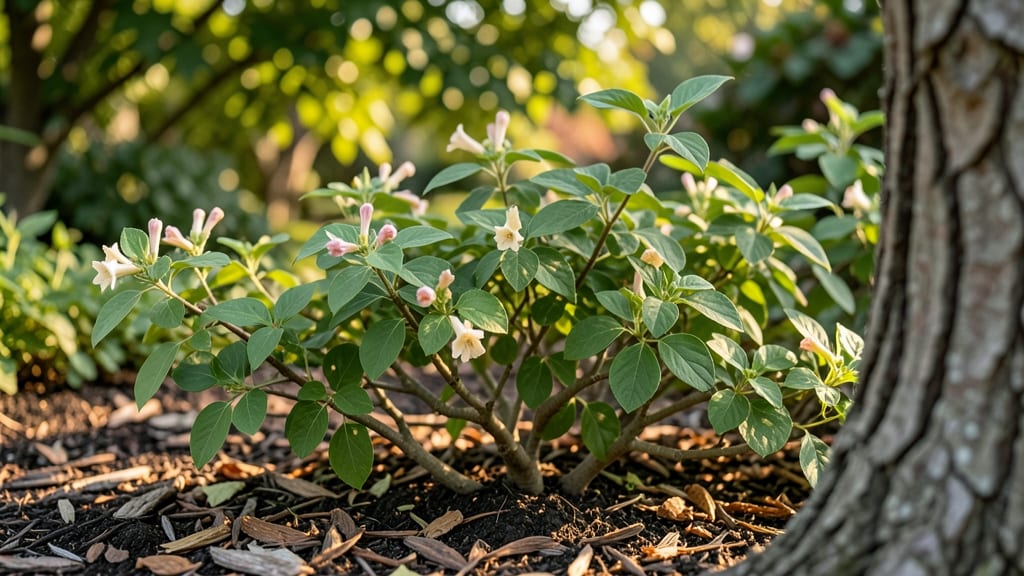
Your honeysuckle plant leaves 🌸 may be turning yellow for reasons you haven’t considered yet—like overwatering, pests, or hidden nutrient gaps.
Picture this: you’ve been tending to your climbing vine all spring, only to wake up one morning and notice those once-vibrant leaves have faded to a sad, yellow-green. Before you pull them out in frustration, let’s diagnose the real problem—because fixing it is easier than you think.
From root rot to aphid infestations, the causes of yellowing honeysuckle leaves are more common than you’d expect. The good news? Most fixes take less than 10 minutes and require just a few household tools.
I’ll walk you through the most likely culprits, how to spot them early, and the exact steps to bring your vine back to full, healthy glory.
By the end, you’ll know not just how to revive your honeysuckle, but how to keep its leaves lush and green for years—no more guesswork, just confident care.
Why are honeysuckle leaves turning yellow? Root causes & diagnosis
Your honeysuckle vines might be sending distress signals through yellowing leaves, but understanding the root cause is the first step to revival. Honeysuckles are hardy plants, yet they’re sensitive to environmental shifts and care mistakes.
The good news? Most yellowing issues are fixable with targeted adjustments. Let’s break down the most common culprits and how to diagnose them accurately.
Yellow leaves on honeysuckle can appear as uniform yellowing, spotted patches, or curling edges, each hinting at different problems. For example, overwatering often causes yellowing paired with soggy soil, while nutrient deficiencies may show as pale yellow leaves with green veins.
Pests like aphids or spider mites leave behind sticky residue or tiny webs, while fungal issues might present as yellow spots with black edges.
One of the first things to check is your watering routine. Honeysuckles prefer moderate moisture but can’t tolerate soggy roots. If your soil stays damp for more than 48 hours, you’re likely overwatering.
Stick your finger 2 inches deep—if it’s wet, hold off on watering. Yellowing from underwatering, however, often starts at the leaf edges and progresses inward, paired with dry, crispy foliage.
Another red flag is nutrient imbalance, particularly nitrogen or iron deficiencies. Nitrogen deficiency shows as pale yellow leaves with green veins, while iron deficiency (chlorosis) causes yellowing between veins.
Test your soil’s pH—honeysuckles thrive in slightly acidic to neutral soil (6.0-7.0). If your soil is too alkaline, amend it with sulfur or compost to restore balance.
Pests like aphids or spider mites are sneaky culprits that drain your plant’s vitality. Look for sticky honeydew residue on leaves or tiny webs in leaf crevices. These pests thrive in dry conditions, so increase humidity around your honeysuckle if you spot them.
A neem oil spray (1 tsp per quart of water) applied every 5-7 days can eradicate them without harming your plant.
Environmental stressors like heat stress or poor air circulation can also trigger yellowing. Honeysuckles need 6+ hours of sunlight daily, but intense afternoon heat without shade can scorch leaves.
If your plant is near a concrete surface or pavement, the reflected heat may be the issue. Provide afternoon shade during peak summer months to protect your vines.
Don’t overlook soil compaction or poor drainage, which restrict root growth and nutrient uptake. If your honeysuckle is planted in heavy clay soil, roots may suffocate. Amend the soil with organic matter like compost or coconut coir to improve aeration.
A quick test: Dig a small hole near the plant—if water pools after 30 minutes, drainage is the problem.
Seasonal changes can also cause temporary yellowing. In early spring, honeysuckles may shed some leaves as they prepare for new growth. Similarly, late summer yellowing can signal nutrient exhaustion after a long growing season. Apply a balanced fertilizer (10-10-10) in early spring and mid-summer to keep your plant energized.
If you’ve ruled out water, nutrients, and pests but still see yellowing, consider transplant shock or root damage. Newly planted honeysuckles may struggle if their roots were disturbed during transplanting. Give them extra care for the first 4-6 weeks, ensuring consistent moisture and protection from wind.
Pro tip: Keep a
Step-by-step fixes to revive yellowing honeysuckle leaves
Yellowing honeysuckle leaves often signal underlying issues like overwatering, nutrient deficiencies, or pest infestations. The good news? Most problems are reversible with targeted care. Start by diagnosing the specific cause—yellowing edges may indicate underwatering, while uniform yellowing often points to root rot or nutrient imbalance.
Let’s tackle each issue with practical solutions to restore your vine’s lush green foliage.
First, check the soil moisture. Honeysuckle prefers well-draining soil with moderate moisture. If the soil feels soggy, your plant may be suffering from root rot. Reduce watering immediately and improve drainage by amending the soil with compost or perlite.
For container-grown honeysuckle, ensure pots have drainage holes and use a mix of potting soil and sand.
⚠️ callout warning
If your honeysuckle leaves are yellowing rapidly with blackened stems or mushy roots, you’re likely dealing with root rot. Stop watering immediately and repot the plant in fresh, dry soil. Trim away rotted roots with sterilized pruners and apply fungicide to prevent spread. Severe cases may require removal of the entire plant to save nearby vegetation.
🌱 PRO TIP: Always water at the base of the plant, not overhead, to reduce fungal risks.
Next, assess nutrient levels. Yellowing leaves can stem from nitrogen deficiency (lower leaves yellow first) or iron deficiency (young leaves turn pale). Apply a balanced fertilizer (10-10-10) in early spring and mid-summer to encourage healthy growth.
For iron deficiency, use chelated iron supplements or add compost rich in organic matter to the soil.
Pests like aphids, spider mites, or scale insects can also cause yellowing leaves by sucking plant sap. Inspect the undersides of leaves for tiny bugs or webbing. Combat pests with neem oil (mix 1 tbsp per quart of water) or insecticidal soap.
For severe infestations, introduce beneficial insects like ladybugs or lacewings to naturally control the population.
Don’t overlook pruning as part of your revival plan. Remove yellowed or diseased leaves immediately to redirect the plant’s energy to healthier growth. Prune back overgrown vines in late winter or early spring to improve airflow and reduce stress.
Always use clean, sharp pruners and sterilize them with rubbing alcohol between cuts to prevent spreading disease.
Finally, monitor your honeysuckle’s environmental conditions. Ensure it receives 6+ hours of sunlight daily—yellowing can occur if placed in shade. Mulch around the base with 2-3 inches of organic mulch to retain moisture and regulate soil temperature.
Avoid placing honeysuckle near air-conditioning units or drafty areas, as sudden temperature changes can stress the plant.
With consistent care, your honeysuckle should regain its vibrant green leaves within 4-6 weeks. Keep an eye on progress and adjust your approach as needed—your vine will thank you with lush foliage and fragrant blooms all season long! 🌸