
Planting
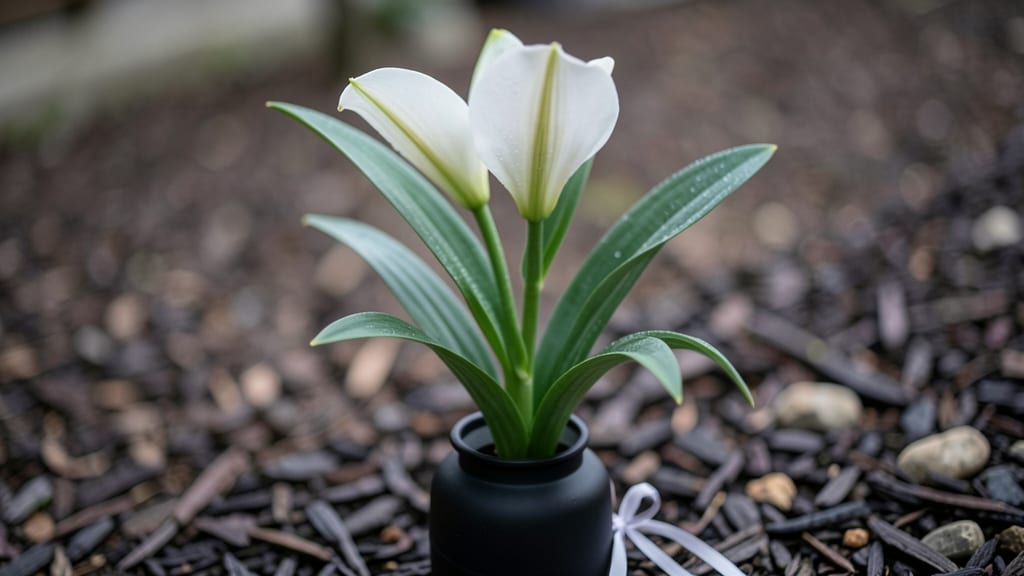
Growing funeral lilies means pure, snow-white blooms that last for weeks—if you nail the light and soil. 🌸 These elegant plants thrive in bright, indirect light, whether indoors near a window or outdoors in partial shade.
The secret lies in mimicking their natural tropical habitat: moist but well-draining soil and consistent humidity. Start with a 5-7 gallon container for potted plants, filling it with a mix of peat moss, perlite, and compost. Plant bulbs 2-3 inches deep in early spring, spacing them 6-8 inches apart.
Water gently after planting, keeping the soil evenly moist but never soggy—root rot is their biggest enemy. By summer, you’ll see those iconic trumpet-shaped blooms emerge, each lasting 7-10 days before giving way to new growth.
The plants reward patience with repeat blooming if you deadhead spent flowers and maintain consistent care. Just avoid direct afternoon sun, which can scorch the delicate petals. Outdoor gardeners can try them in USDA zones 7-10, while indoor growers should move plants outside in summer for fresh air.
The key is balance: too much water or too little light stunts their growth, but with the right conditions, they’ll bloom like clockwork.
📚 In This Guide
- What you need
- Instructions
- Tips and common mistakes
- Wrapping up and next steps
What you need
- ● Funeral Lily Bulbs: 3–5 high-quality bulbs (ensure they’re firm, free of soft spots, and labeled for Lilium longiflorum).
- ● Well-draining Potting Soil: 1–2 bags (mix with perlite or sand for aeration).
- ● Container or Garden Bed: For pots: 12–15" diameter containers (1 per bulb) with drainage holes.
- ● For gardens: A sunny spot with loose, fertile soil (pH 6.0–7.0).
- ● Organic Fertilizer: 1 bag (balanced 10-10-10 or bulb-specific fertilizer).
- ● Watering Can or Hose: With a gentle spray nozzle.
- ● Pruning Shears: For trimming dead blooms or foliage.
- ● Mulch: Straw or shredded bark to retain moisture.
- ● Stakes or Trellis: For tall stems (especially in windy areas).
- ● Lily Food: Slow-release granules for extra nourishment.
- ● Gloves: To protect hands from soil and sap.
- ● Grow Lights: If indoors (12–14 hours of light daily).
Step-by-step guide to cultivating funeral lilies
Here's how to nurture these striking blooms into a showstopping focal point.
🌱 Step 1: Select and Prepare the Right Location
Funeral lilies thrive in partial shade with morning sun and afternoon shade—think dappled light under tall trees or a spot where they get 4-6 hours of gentle sunlight daily. I always test the spot first by placing a similar-sized pot there for a week to check light intensity. Too much direct sun scorches the leaves, while too little shade makes blooms sparse.
Choose a spot with well-draining soil—these lilies hate soggy roots. If your garden soil is heavy clay, amend it with 3-4 inches of compost mixed into the top 12 inches of soil. Work the compost in gently so it blends evenly without creating pockets. You'll see the difference in how easily roots spread when planting.
🪴 Step 2: Plant Bulbs at the Correct Depth and Spacing
Plant funeral lily bulbs in early spring after the last frost, when soil temperatures reach 60°F. Dig holes 6-8 inches deep—that's about twice the height of the bulb—and space them 12-18 inches apart. Crowding leads to weak stems and fewer blooms, so resist the urge to plant them closer together.
Place each bulb with the pointy end facing up—this ensures proper root and shoot development. Cover with soil and water deeply until moisture reaches 6 inches down. The soil should feel damp but not waterlogged. I like to use a hose with a gentle spray setting to avoid dislodging the bulbs while watering.
☀️ Step 3: Provide Consistent Water and Fertilizer
Water funeral lilies once a week during the growing season, providing 1 inch of water per week. Increase to 2 inches weekly when buds form—this encourages strong, vibrant blooms. Check soil moisture by sticking your finger 2 inches deep; if it feels dry, it's time to water. Overwatering causes bulb rot, so always let the top 1-2 inches dry out between waterings.
Fertilize in early spring with a balanced 10-10-10 fertilizer at half strength. Apply again 6 weeks later when shoots emerge. Stop fertilizing once blooms appear to encourage a longer flowering period. I swear by a slow-release fertilizer for these lilies—it prevents nutrient spikes that can burn delicate roots.
✂️ Step 4: Prune and Maintain for Healthy Blooms
Remove spent blooms by cutting the stem 1 inch above the next set of leaves—this redirects energy to new flower production. Deadhead regularly throughout the blooming season, which typically lasts 4-6 weeks. You'll notice new buds forming on the sides if you keep this up consistently.
After blooming, cut back the foliage to half its height but leave the lower leaves intact. This helps the plant store energy in the bulb for next year's growth. Mulch around the base with 2-3 inches of organic mulch to protect bulbs from temperature swings and retain moisture. I use shredded bark mulch because it breaks down slowly and improves soil structure over time.
⏰ Step 5: Prepare for Winter Dormancy
When foliage yellows and dies back in late fall, stop watering entirely. The bulbs need this dry period to harden off for winter. Remove any remaining dead leaves but leave the mulch in place—it insulates the soil and protects bulbs from freezing temperatures down to 20°F. In colder climates, add an extra 2-3 inches of mulch for extra protection.
In early spring, as new shoots emerge, remove the old mulch and replace it with fresh material. This signals to the plant that it's time to grow. I always do this in March in my zone 7 garden, and the lilies respond with fresh, lush growth within 2-3 weeks. Patience here pays off—rushing can damage tender new shoots.
Tips & tricks for cultivating stunning funeral lilies
These simple yet powerful tips will help you avoid common pitfalls and create the perfect conditions for your funeral lilies to thrive.
The Light Factor: When testing your spot for the recommended 4-6 hours of gentle sunlight daily, pay attention to how the light moves throughout the day. Morning sun is ideal because it's less intense than afternoon rays. If you're unsure, observe the area for a week—if leaves show brown patches, that's a sign of too much direct sun. I've learned this the hard way after losing a few plants to scorching!
Soil Prep Secret: For heavy clay soil, don't just add compost to the surface—mix that 3-4 inches of compost into the top 12 inches of soil as directed. This prevents water pooling around the bulbs, which can cause rot. I like to use a garden fork to gently loosen the soil before mixing in compost for even better drainage. This step makes all the difference in root health.
Planting Precision: When planting your bulbs 6-8 inches deep, use a bulb planter or even a long screwdriver to create perfectly sized holes. This ensures consistent depth for all bulbs, which prevents uneven growth. After planting, I always give them a thorough watering until moisture reaches 6 inches down—this helps settle the soil and removes any air pockets around the bulbs.
Watering Wisdom: The key to watering is consistency. During the growing season, aim for 1 inch of water per week, but increase to 2 inches weekly once buds form. I've found that watering in the morning gives the soil time to dry out slightly during the day, reducing the risk of fungal issues. Always check soil moisture by sticking your finger 2 inches deep—this is the most reliable way to determine when your lilies need water.
Pro Tips for Funeral Lily Plant
- These simple yet powerful tips will help you avoid common pitfalls and create the perfect conditions for your funeral lilies to thrive.
- The Light Factor: When testing your spot for the recommended 4-6 hours of gentle sunlight daily, pay attention to how the light moves throughout the day.
- Soil Prep Secret: For heavy clay soil, don't just add compost to the surface—mix that 3-4 inches of compost into the top 12 inches of soil as directed.
Frequently asked questions
Got questions about funeral lilies?
You’re not alone! Here are some of the most common inquiries—plus clear, helpful answers to keep your Crinum asiaticum thriving.
How long do funeral lilies take to bloom?
Funeral lilies typically bloom 6–8 weeks after planting bulbs in spring or summer, depending on climate. In warmer zones, they may even flower year-round! Patience is key—these beauties reward consistency with dramatic, fragrant blooms.
Can I plant funeral lilies in winter?
Not ideal! These tropical bulbs hate frost and need soil temps above 60°F (15°C) to thrive. Wait until spring (after last frost) or plant in containers for winter indoors. If you must plant earlier, use black plastic mulch to warm the soil.
Why are my funeral lily leaves turning yellow?
Yellow leaves usually signal overwatering or poor drainage. Let the top 2 inches of soil dry out between waterings, and ensure pots/containers have drainage holes. If leaves feel mushy, reduce water and check for root rot. Funeral lilies prefer soggy soil—but not swampy!
Are funeral lilies toxic to pets?
Yes! All parts of the funeral lily (Crinum asiaticum) contain alkaloids, which can cause vomiting, drooling, or weakness in pets if ingested. Keep them out of reach of curious cats/dogs, or opt for pet-safe alternatives like Lilium longiflorum (Easter lily’s non-toxic cousin).
What’s a good alternative if funeral lilies are hard to find?
Try these elegant, low-maintenance bloomers:
- Rain lilies (Zephyranthes): Fast-growing, drought-tolerant, and fragrant.
- Spider lilies (Hymenocallis): Unique star-shaped flowers; thrive in heat.
- Calla lilies (Zantedeschia): Dramatic, glossy blooms (but non-fragrant).
Wrapping up and next steps
The funeral lily plant brings timeless beauty and meaningful symbolism to any space with its elegant white blooms and graceful presence. Whether you’re drawn to its cultural significance or simply its striking allure, this plant thrives with the right care—bright, indirect light, well-draining soil, and consistent moisture.
Embrace the joy of nurturing it, and you’ll be rewarded with stunning, long-lasting flowers that honor both tradition and nature.
Ready to bring a piece of elegance into your home or garden? Start by gathering your supplies and follow the care tips shared above—your funeral lily will thank you with breathtaking blooms! 🌸✨