
Planting
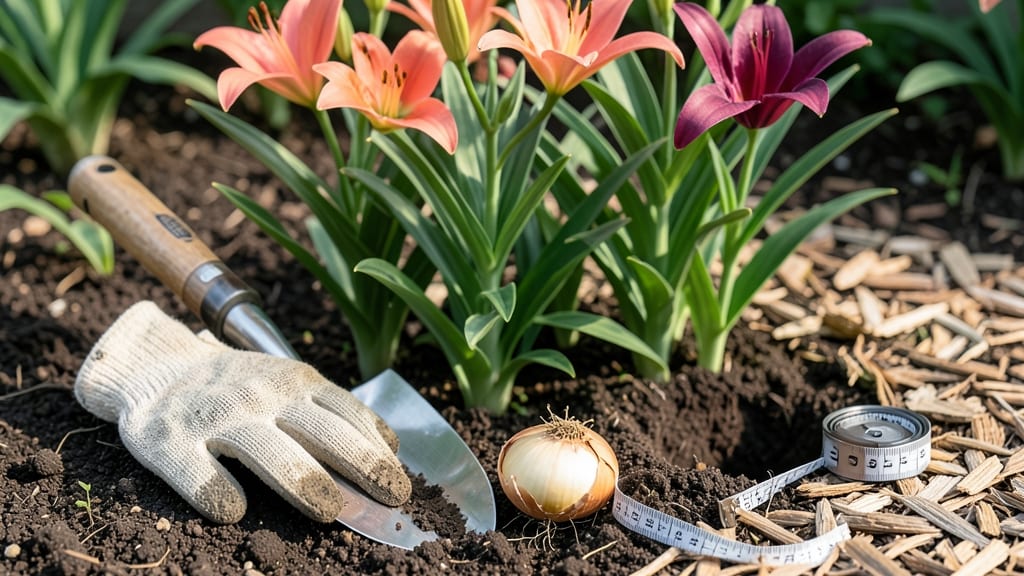
To plant lily bulbs the right way, spacing them 6 to 12 inches apart is the key to avoiding crowded, weak stems and maximizing those showstopping blooms 🌸.
Picture this: you’ve spent good money on lily bulbs, only to end up with scraggly stems and half the flowers you expected. That’s what happens when bulbs compete for nutrients—and it’s totally avoidable. The secret isn’t just depth; it’s the space between them that lets each plant thrive.
Different lily varieties need slightly different spacing, and soil type plays a role too. A well-draining bed in USDA Zone 6a might handle 6-inch spacing for dwarf lilies, while taller Asiatics need 12 inches to support their height.
Get this wrong, and you’ll either drown roots in soggy soil or leave gaps that look bare.
In this guide, I’ll break down the exact spacing by variety, how to adjust for containers, and the three most common mistakes that kill blooms before they even open. Ready to turn your garden into a lily paradise?
Optimal lily bulb spacing by variety: avoid crowding for healthy blooms
Lilies are stunning garden stars, but their bloom size and stem strength depend heavily on proper bulb spacing. Planting too closely leads to crowded stems, weak blooms, and increased disease risk.
Meanwhile, spacing too far can leave your garden sparse. Let’s dive into the exact spacing rules for each lily variety to ensure vibrant, healthy blooms every season.
Not all lilies are created equal—Asiatic lilies need different spacing than Oriental lilies, and Trumpet lilies have unique requirements. Even Martagon lilies, with their distinctive Turk’s cap shape, demand specific spacing to thrive. Understanding these differences prevents common mistakes like overcrowding or underutilized garden space.
Proper spacing also improves air circulation, which is critical for preventing fungal diseases like botrytis blight. When bulbs are too close, moisture lingers, creating the perfect environment for rot and mold.
Additionally, bloom size shrinks when stems compete for nutrients and sunlight, so spacing directly impacts the drama of your garden displays.
Below, I’ve broken down the ideal spacing for each lily type, including how to adjust for small gardens or container growing. Use this as your go-to guide before digging in—your lilies will thank you with show-stopping blooms!
| Lily Variety | Bulb Size (inches) | Spacing (inches) | Notes |
|---|---|---|---|
| Asiatic Lilies | 2-3 | 6-8 inches apart | Compact growth; great for borders. Use 8-inch spacing in containers. |
| Oriental Lilies | 3-4 | 8-12 inches apart | Larger blooms; needs more room. Avoid overcrowding—prone to rot. |
| Trumpet Lilies | 4-5 | 12-18 inches apart | Tall stems; space for wind resistance. Ideal for back of borders. |
| Martagon Lilies | 2-3 | 6-10 inches apart | Nodding blooms; drought-tolerant. Use 10-inch spacing in dry climates. |
For Asiatic lilies, which are naturally compact, stick to 6-8 inches apart. This spacing ensures their vibrant blooms aren’t overshadowed by competition. In containers, reduce spacing to 4-6 inches to maximize impact without overcrowding. These lilies thrive in small gardens and urban balconies due to their manageable size.
Oriental lilies, known for their fragrant blooms, need more elbow room—8-12 inches apart. Their larger bulbs and heavier stems require this extra space to prevent stem flopping or bloom distortion. If you’re planting in rows, space them 12 inches apart for optimal air flow.
When it comes to Trumpet lilies, think big and bold. These tall, dramatic lilies need 12-18 inches apart to support their 6-foot stems without leaning.
Plant them at the back of borders or near trellises to showcase their height. In windy climates, increase spacing to 18 inches for stability.
Martagon lilies, with their unique nodding blooms, are the most adaptable. Space them 6-10 inches apart, depending on your soil drainage. In well-draining soil, closer spacing (6 inches) works, but in heavy clay, increase to 10 inches to prevent root rot. These lilies are perfect for woodland gardens or shady spots.
One of the biggest mistakes gardeners make is ignoring bulb size when spacing. Larger bulbs (like Oriental lilies) need more room because they produce bigger foliage and heavier blooms. Smaller bulbs (like Asiatics) can handle closer spacing,
How deep to plant lily bulbs: soil type and climate adjustments for success
Planting lily bulbs at the right depth is crucial for strong roots and vibrant blooms. Most gardeners make the mistake of planting too shallow, which causes rot, or too deep, which stunts growth.
The ideal depth depends on your bulb size, soil type, and even your local climate. For standard lily bulbs, aim for 4-6 inches deep, but adjust based on these key factors.
In well-draining soil, like sandy loam, you can plant slightly shallower—around 3-4 inches—since excess moisture won’t linger. However, in clay-heavy soil, dig deeper (5-7 inches) to prevent waterlogging. Always loosen the soil first to encourage root penetration and reduce compaction.
Your climate zone also plays a role. In cold climates (USDA Zones 3-6), plant bulbs deeper (6-8 inches) to protect them from freeze-thaw cycles. In warmer zones (Zones 7-10), shallower planting (3-5 inches) works better, as the soil stays warmer year-round.
⚠️ Common Planting Depth Mistakes
- Too shallow: Bulbs rot from excess moisture or dry out. Signs include yellowing leaves or no blooms.
- Too deep: Stunted growth or no flowers. Roots struggle to reach the surface for nutrients.
- Uneven depth: Causes lopsided growth or weak stems. Always use a measuring tool for consistency.
For large lily bulbs (3+ inches in diameter), like Oriental lilies, dig a hole 6-8 inches deep to accommodate their size. Smaller bulbs, such as Asiatic lilies, only need 3-4 inches of soil coverage.
Always plant the bulb with its pointy end up—this ensures proper root and stem development.
After planting, cover the area with 2-3 inches of mulch to retain moisture and regulate soil temperature. Avoid organic mulches like fresh grass clippings, which can mat down and suffocate roots. Instead, use shredded bark or straw for a balanced approach.
Finally, water deeply after planting to settle the soil and encourage root growth. In dry climates, water weekly to keep the soil moist but not soggy. In humid regions, reduce watering to prevent fungal diseases like botrytis blight, which thrives in damp conditions.
With the right depth and care, your lilies will reward you with bold, healthy blooms year after year. Experiment with spacing and depth in small batches to find what works best for your garden’s unique conditions! 🌸