
Pests and Diseases
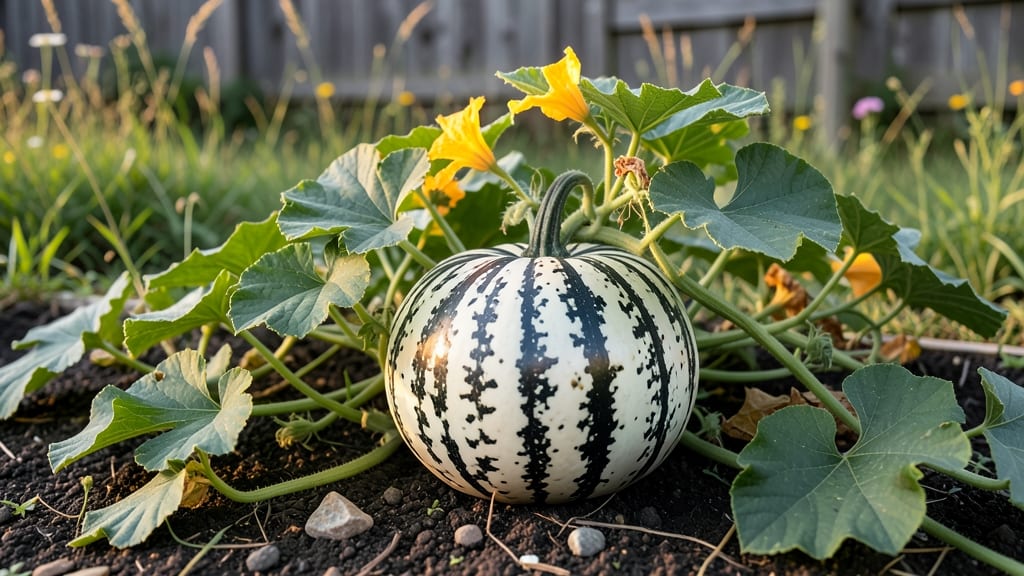
Black and white striped pumpkins turn ordinary gardens into striking fall masterpieces. 🎃 I’ve used them to transform porches, entryways, and even container gardens—adding drama that lasts from September through winter.
Their bold contrast makes them the star of any outdoor display, whether paired with rustic wood or sleek modern decor.
Pair them with deep purple mums, fiery red maple leaves, or crisp white berries for maximum impact. In containers, they anchor arrangements with trailing ivy or ornamental grasses. For year-round appeal, try them as dried centerpieces or carved into festive lanterns—because why should the fun stop when frost hits?
📚 In This Guide
- What you need
- Instructions
- Tips and common mistakes
- Wrapping up and next steps
What you need
- ● Black-and-white striped pumpkin seeds: Choose heirloom varieties like ‘Black Magic’ (for deep color) or ‘Cinderella’ (for classic stripes). Aim for 3–5 seeds per plant (they’re often sold in small seed packets, ~20–50 seeds).
- ● Pro tip: Opt for organic, non-GMO seeds for healthier plants and better flavor! 🌱
- ● Growing containers or garden bed: For containers: 5-gallon buckets or fabric grow bags (1 per plant). Ensure they have drainage holes!
- ● For in-ground planting: A well-draining, sunny spot (6+ hours of sunlight daily) with loamy soil (amend with compost if needed).
- ● Potting soil or garden soil: 1–2 bags of high-quality, moisture-retentive potting mix (e.g., Miracle-Gro or FoxFarm). Avoid cheap soil—it compacts and drains poorly!
- ● Fertilizer: Balanced organic fertilizer (e.g., 5-5-5 or 10-10-10 NPK ratio). Use 1 tbsp per plant at planting and again when vines start to spread.
- ● Mulch: Straw or black plastic mulch (1–2 inches thick) to suppress weeds and retain moisture.
- ○ Trellis or cage (optional but recommended): Pumpkin vines can sprawl 10–20 feet! Use a 6–8 ft tall trellis or cage to save space and keep fruit off the ground.
- ● Pruning shears: For trimming excessive vines or shaping plants.
- ● Row covers or netting: Protect young seedlings from pests like squash bugs or deer.
- ● Pumpkin support slings: Soft fabric straps to gently lift heavy fruit onto trellises.
- ● Soil pH test kit: Ensure your soil is 6.0–6.8 pH (pumpkins thrive in slightly acidic to neutral soil).
- ● Decorative stakes or paint: For marking plants or adding whimsical touches to your garden!
Instructions for growing striking black and white striped pumpkins
These pumpkins aren't just Halloween stars—they're year-round conversation pieces. Here's how to grow them with bold, dramatic results.
🌱 Step 1: Choose the Right Variety and Planting Site
Select a cold-hardy striped variety like 'Black Magic' or 'Cinderella'—they're the most reliable for those dramatic black-and-white patterns. Plant in a location with full sun (6-8 hours daily) and well-draining soil. I always test my soil first—these pumpkins need a pH between 6.0-6.8 for vibrant color development.
Striped pumpkins spread aggressively, so give each plant 50-75 square feet of space. If your garden is small, consider growing them in large containers (at least 15-gallon size). The key is avoiding competition—their vines will sprawl like a living rug, so clear any weeds immediately after planting.
☀️ Step 2: Plant Seeds at the Right Time and Depth
Wait until the soil reaches 70°F before planting—cold soil slows germination and can rot seeds. Sow seeds 1 inch deep in hills spaced 10 feet apart. I like to plant 3 seeds per hill and thin to the strongest seedling after germination. This ensures you don't waste seeds or end up with weak plants.
Germination takes 7-14 days, depending on soil warmth. Watch for the first true leaves (not the initial seed leaves)—they'll appear as small, rounded shapes. Once they emerge, remove any weak seedlings by pinching at the base. Don't pull them; you'll disturb the roots of the remaining plant.
💧 Step 3: Water Deeply and Maintain Consistent Moisture
Water immediately after planting, then keep the soil evenly moist but never soggy. These pumpkins need 1-2 inches of water weekly, but more during fruit development. I water deeply in the morning to prevent fungal diseases—wet leaves at night are a recipe for trouble.
Use a soaker hose or drip irrigation to keep foliage dry. You'll see the vines grow rapidly, but uneven watering causes blossom-end rot or cracked fruit. Mulch around the base with 2-3 inches of straw to retain moisture and suppress weeds. The mulch also keeps the soil temperature stable, which is crucial for those striking stripes.
✂️ Step 4: Prune and Support Vines for Healthier Growth
When vines reach 6 feet long, start pruning the earliest shoots to encourage stronger lateral growth. Remove any suckers (side shoots) growing below the first flower—this redirects energy to fruit production. I also pinch off the first few male flowers to let the plant focus on developing female flowers, which have tiny pumpkin shapes at their base.
As fruit develops, use slings or netting to lift pumpkins off the ground. This prevents rot and makes harvesting easier. Watch for powdery mildew on leaves—strip off infected foliage immediately and spray with neem oil if needed. The goal is keeping the plant healthy enough to produce those dramatic striped fruits.
🎃 Step 5: Harvest and Store for Long-Term Display
Pumpkins are ready when their rinds harden and stems dry out—usually 90-110 days after planting. Cut stems with 2-3 inches of stem attached using pruners for a clean break. Cure them in a dry, shady spot at 80-85°F for 10 days to toughen the skin. This step is non-negotiable for winter storage.
Store cured pumpkins in a cool (50-55°F), dry place with good airflow. They'll last 2-3 months, making them perfect for fall decor or early winter displays. The black-and-white stripes will deepen as they cure, adding to their dramatic appeal. Just avoid stacking them—pressure can cause bruising and spoilage.
Tips & tricks for growing stunning striped pumpkins
Here's what I learned after growing these showstopper pumpkins for years—tricks that make all the difference between good and show-stopping.
Soil Test First: That pH range of 6.0-6.8 isn't just a suggestion—it's critical for developing those bold stripes. I test my soil every year and adjust with lime if needed. The stripes won't develop properly in acidic soil, no matter how much sun you give them. Grab a soil test kit from your local garden center for just a few dollars—it's worth it for that dramatic color.
Germination Hack: Those 7-14 days can feel like forever! Speed up germination by soaking seeds overnight in warm water before planting. I also use a seedling heat mat ($20 at garden stores) to keep soil at 75°F during germination—this cuts the wait to about 5-7 days. Just don't overheat the soil above 85°F or seeds will rot.
Watering Secret: The 1-2 inches weekly is your baseline, but during fruit development, increase to 2-3 inches when vines are actively growing. I set up a rain gauge near my pumpkins to track exactly how much water they're getting—this prevents blossom-end rot and cracked fruit. The key is consistency: never let the soil dry out completely between waterings.
Pruning Payoff: When you see those first male flowers, pinch them off! This might seem counterintuitive, but it forces the plant to focus energy on developing female flowers (the ones with tiny pumpkin shapes at their base). I've found that plants with 3-4 female flowers produce the largest, most dramatic striped pumpkins. Think of it as training the plant to prioritize quality over quantity.
Pro Tips for Black And White Striped Pumpkins
- Here's what I learned after growing these showstopper pumpkins for years—tricks that make all the difference between good and show-stopping.
- Soil Test First: That pH range of 6.0-6.8 isn't just a suggestion—it's critical for developing those bold stripes.
- Germination Hack: Those 7-14 days can feel like forever!
Frequently asked questions
Got questions about growing or styling these striking black and white striped pumpkins? You’re not alone! Here are some of the most common queries—and their answers—to help you master these garden stars.
How do I prevent mold or rot on striped pumpkins?
These pumpkins are prone to powdery mildew and blossom end rot due to their dense rinds. Space vines 6+ feet apart for airflow, water at the base (not leaves), and mulch heavily. A light spray of neem oil or baking soda mix (1 tsp per quart of water) every 2 weeks can also help. Pro tip: Avoid overhead watering after dark to reduce humidity.
When should I expect my striped pumpkins to ripen?
Striped varieties like ‘Cinderella’ or ‘Black Magic’ typically mature in 90–110 days, but cooler temps slow them down. Check for a hard, dull rind and a stem that’s dry and papery. If frost threatens before harvest, pick them unripe—they’ll finish curing indoors in a cool, dry spot (50–60°F) for 2–4 weeks.
Can I use striped pumpkins for carving or cooking?
Their thick, dense flesh makes them ideal for carving (though they’re heavier than traditional pumpkins). For cooking, they’re not as sweet as sugar pumpkins but work well in savory dishes like soups, roasted seeds, or even black-and-white striped hummus. Save a small pumpkin for decor—it’s a showstopper!
What can I do if my striped pumpkins develop odd stripes or spots?
Uneven stripes or blotchy patches often signal nutrient deficiencies (like magnesium or zinc) or pesticide stress. Test your soil and amend with compost or Epsom salt (1 tbsp per gallon of water, sprayed on leaves). If stripes fade, it might be sun scorch—provide afternoon shade in hot climates. Fun fact: Some stripes darken as pumpkins age!
Are striped pumpkins harder to grow than regular ones?
Not necessarily! They thrive in the same conditions as other winter squash but need consistent moisture and well-draining soil. Start seeds indoors 4–6 weeks before last frost, then transplant after soil warms to 60°F+. Their dramatic look is worth the extra care—just be patient with slower growth in cooler weather.
Wrapping up and next steps
Black and white striped pumpkins aren’t just a showstopper in your garden—they’re a year-round conversation starter that keeps pests at bay and adds drama to any space! 🎨 Whether you’re growing them for their striking looks, natural pest resistance, or even culinary potential, these pumpkins prove that beauty and function go hand in hand. Ready to level up your garden? Grab your seeds, get planting, and watch your space transform into a bold, thriving masterpiece!
🌱 Next step: Start small—try a few striped varieties in a sunny spot and experiment with companion plants to maximize their benefits. Happy growing!