
Planting
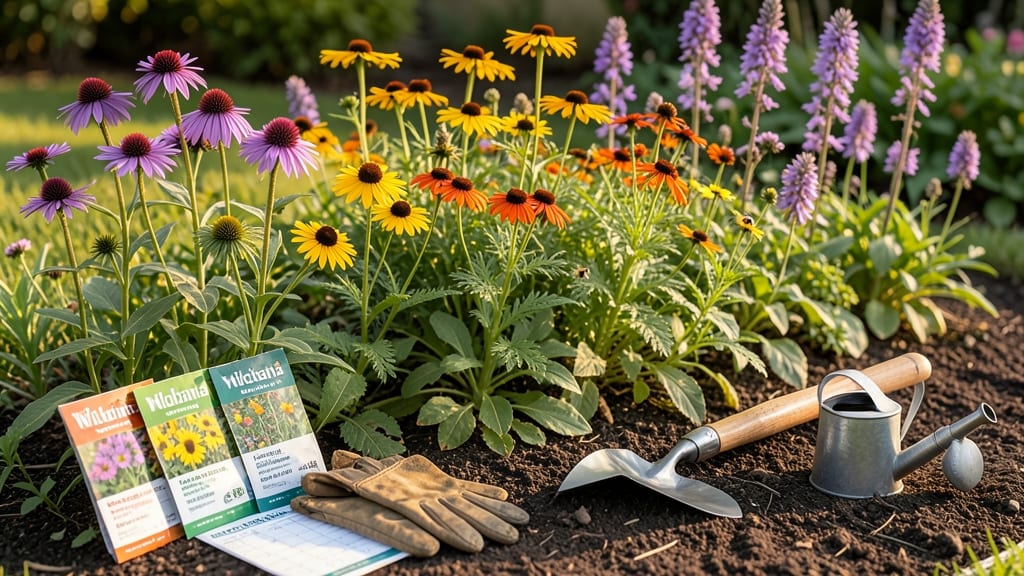
Planting wildflower seeds in Indiana at the right time means a meadow of color in as little as 60 days—but get it wrong, and you’re staring at bare soil for years.
Indiana’s wildflowers 🌼 thrive when sown in early spring or fall, but the clock starts ticking with frost dates and soil temps. Miss the window, and your seeds may never break dormancy—or worse, sprout only to wither before they bloom.
This guide breaks down the zone-specific planting calendar for Indiana’s 5b-6b climate, so you know exactly when to scatter seeds for the most vibrant blooms from May through September.
You’ll also discover how to prep soil, choose the right native varieties, and avoid common mistakes that turn a promising patch into a disappointment.
Indiana’s 2 wildflower planting zones: when to plant for maximum blooms
Indiana’s USDA Plant Hardiness Zones 5b-6b create a unique microclimate where wildflowers thrive—but only if planted at the right time. Most gardeners focus on spring planting, but fall offers equal (or better) success for many native species.
The key? Understanding your last frost dates and soil temperature thresholds for germination.
For Zone 5b (northern Indiana), the average last frost date falls between April 15-30, while Zone 6b (southern Indiana) sees frost-free conditions by April 1-15. These dates mark your window for spring planting, but fall planting (after September 15) often yields stronger root systems before winter.
Wildflower seeds typically need soil temperatures between 50°F-70°F to germinate. In Indiana, this means spring planting should happen when daytime highs consistently reach 60°F+ (usually late March-early April), while fall planting works best when soil temps drop below 80°F (typically September-October).
Here’s how Indiana’s two primary zones compare for optimal wildflower planting:
Spring planting in Zone 5b should start by late March to beat summer drought, while Zone 6b gardeners can begin as early as early March.
The earlier you plant, the sooner you’ll see blooms—but avoid planting too early when soil is still cold or wet, which can cause rot or poor germination.
Fall planting is my top recommendation for Indiana gardeners. Seeds sown in September-October germinate in early spring when conditions are ideal, giving wildflowers a head start before summer heat arrives. Plus, fall-planted seeds are less likely to dry out or be washed away by spring rains.
For both seasons, prepare your soil by raking away debris and lightly scratching the surface to create a seed bed. Wildflower seeds need light to germinate, so avoid burying them more than 1/4 inch deep.
After sowing, use a light mulch layer (like straw) to protect seeds from drying winds and bird predation.
Pro tip: If you’re planting in late spring (after April 15), water seeds daily until germination occurs to maintain moisture. Once established, wildflowers are drought-tolerant, but young seedlings need consistent moisture for 4-6 weeks.
Indiana’s wildflowers reward patience—especially if you align planting with the natural rhythms of your zone. Whether you choose spring or fall, timing your seeds to germinate when soil temps are ideal (50°F-70°F) ensures vibrant blooms from June through September.
Wildflower seed varieties by planting season: spring vs. fall success rates
Indiana’s native wildflowers thrive when planted at the right time, but spring vs. fall planting creates dramatically different results. Black-eyed Susans and coneflowers often bloom faster with fall planting, while milkweed and coreopsis prefer spring’s warmer soil. Understanding these patterns ensures year-one blooms instead of waiting years for color.
Fall planting (September-October) gives seeds time to stratify naturally through winter, breaking dormancy early. Spring planting (March-April) works best for heat-loving varieties that need soil temps above 50°F. The key? Matching each species’ cold tolerance and germination needs to Indiana’s climate.
| Variety | Best Planting Season | Cold Stratification Needed? | Bloom Time |
|---|---|---|---|
| Black-eyed Susan (Rudbeckia hirta) | Fall or Spring | Yes (6-8 weeks) | Mid-summer to fall |
| Purple Coneflower (Echinacea purpurea) | Fall (best) or Spring | Yes (4-6 weeks) | Summer to early fall |
| Butterfly Milkweed (Asclepias tuberosa) | Spring (after frost) | No (heat-loving) | Late spring to summer |
| Coreopsis (Coreopsis spp.) | Spring or Fall | No (fast germinator) | Spring to summer |
| Wild Bergamot (Monarda fistulosa) | Fall (best) or Spring | Yes (8-10 weeks) | Summer to fall |
Black-eyed Susans and coneflowers are my top fall picks—they handle Indiana’s winters beautifully and reward you with bold summer blooms. For spring planting, butterfly milkweed and coreopsis take off quickly in warmed soil, but they skip the cold stratification step. Pro tip: Mix both seasons for continuous color from June to October.
If you’re planting in northern Indiana (Zone 5b), prioritize fall sowing for hardier species like wild bergamot. In southern Indiana (Zone 6b), spring planting works well for heat-loving varieties, but always test soil temps—seeds need 50°F+ to germinate reliably. A soil thermometer is your best friend here!
For fastest results, combine fall and spring plantings. Start with coneflowers and black-eyed Susans in September, then add milkweed and coreopsis in April.
This staggered approach ensures nonstop blooms from early summer through frost. Just remember: Lightly rake seeds into soil—they need sunlight to germinate, not deep burial.
Timing isn’t just about when you plant—it’s about preparing your soil. Loosen the top 2 inches of soil before sowing, and remove weeds to reduce competition.
Once established, these wildflowers are drought-tolerant, but young seedlings need consistent moisture until roots develop. Mulch lightly to retain humidity without smothering sprouts.
Don’t let Indiana’s unpredictable springs fool you—fall planting is often more reliable for native wildflowers. The seeds get a natural head start through winter, while spring-planted seeds may struggle with late frosts or dry spells.
For guaranteed success, start small with 5-10 varieties and expand as you learn what thrives in your microclimate.