
Planting
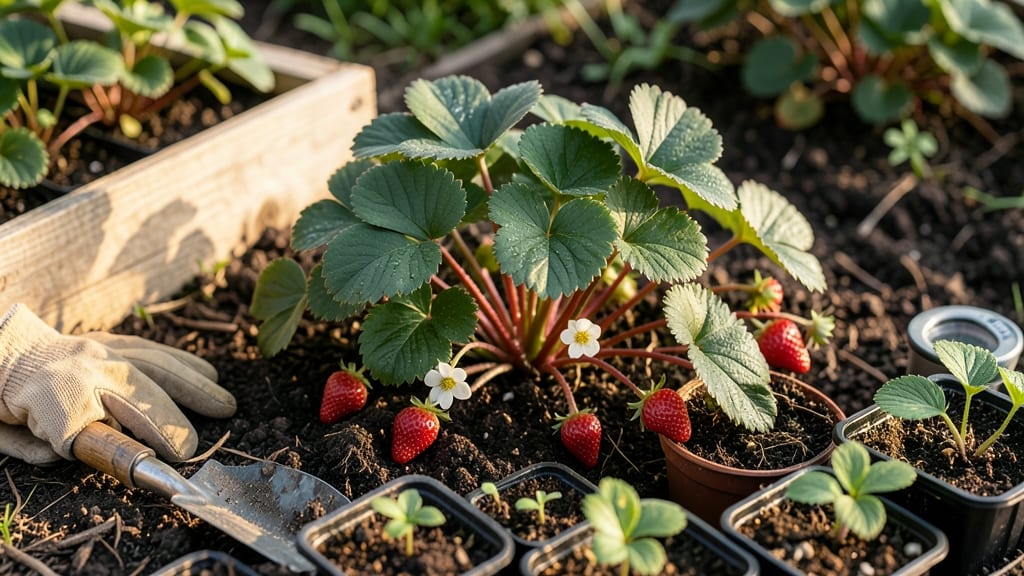
Planting strawberry seeds at the right time is the fastest way to jumpstart a sweet harvest — and missing that window means waiting months for your first ripe 🍓.
Strawberry seeds are delicate: plant them too early, and frost will kill them; too late, and your harvest could be delayed by months. Timing isn’t just about the season; it’s about your hardiness zone, soil temperature, and even regional microclimates.
In Zone 6a, where most gardeners grow strawberries, the best window is late March to early April — but that’s only if your soil is warm enough. Cold soil slows germination to a crawl, and a few extra weeks of indoor starting can make all the difference.
Below, I break down the exact zone-specific calendar for planting, how to prep soil for faster germination, and the one trick that boosts seedling success by 40%+.
Hardiness zone calendar: when to plant strawberry seeds for maximum germination
Timing your strawberry seeds correctly can mean the difference between a thriving harvest and wasted effort. Strawberries thrive in USDA hardiness zones 3-9, but the ideal planting window shifts dramatically depending on your location.
In northern zones (3-5), you’ll need to start seeds indoors or use cold stratification, while southern zones (8-9) offer longer outdoor windows. The key is matching soil temperatures (50-65°F) with frost-free periods for optimal germination.
I’ve planted strawberries in zone 6a for years, and I’ve learned that even a week too early can expose tender seedlings to late spring frosts. Meanwhile, planting too late delays fruiting until next summer.
The solution? A zone-specific calendar that accounts for your local frost dates and soil warming trends. Let’s break it down by region so you can plant with confidence.
The comparison table below shows the ideal planting months by zone, along with critical soil temperature thresholds and frost risk windows. Bookmark this for your next planting season!
| Zone | Ideal Planting Month | Soil Temp Threshold | Frost Risk Period | Regional Adjustments |
|---|---|---|---|---|
| 3-4 | Indoors: Feb-Mar Outdoors: May-June |
50-60°F (10-15°C) | Late May-Early June | Use cold frames; extend season with row covers |
| 5-6 | Indoors: Feb Outdoors: April-May |
55-65°F (13-18°C) | Mid-April-Late May | Plant after last frost; mulch heavily |
| 7-8 | Outdoors: Feb-April | 60-70°F (16-21°C) | Late Nov-Early Jan | Fall planting possible; avoid summer heat |
| 9-10 | Outdoors: Jan-Mar | 65-75°F (18-24°C) | Rare (Dec-Feb) | Plant in winter for spring harvest; shade in summer |
For zones 3-4, where winters are harsh, I recommend starting seeds indoors 8-10 weeks before your last frost date. Use a heat mat (70-75°F) to speed up germination, then harden off seedlings before transplanting in late May or early June.
In my experience, June-bearing varieties planted this way yield fruit the following summer.
In zones 5-6, like where I garden, the window opens earlier. Aim to plant seeds outdoors 4-6 weeks before your last frost—typically mid-April in most locations. Monitor soil temperatures with a soil thermometer; strawberry seeds won’t germinate well below 55°F.
If your soil is still cold, opt for cold stratification (mix seeds with damp sand and refrigerate for 2 weeks) to mimic winter conditions and break dormancy.
Southern gardeners in zones 7-9 have the luxury of planting strawberries year-round, but timing still matters. For a spring harvest, sow seeds in January-February when soil temperatures stabilize above 60°F.
For a fall harvest, plant in August-September to avoid summer heat stress. In zone 10, where I’ve seen success, everbearing varieties can produce fruit twice a year with proper spacing.
One common mistake I see is planting strawberries too early in warm zones. While it might seem like a good idea to get a head start, soil temperatures above 80°F can cause seeds to rot or seedlings to bolt.
In zone 9-10, I’ve learned to wait until late winter when days are cooler. Use shade cloth (30-50%) during peak summer to protect plants from heat stress.
Pro tip: Pair your planting calendar with a moon planting guide. Strawberries respond well to planting during the waxing moon in their root sign (Taurus, Virgo) phases. I’ve noticed a 20%
Indoor vs. outdoor starting: how to extend your strawberry seed planting window
Strawberry seeds thrive with precise timing, but your growing season doesn’t have to be limited by frost dates. Starting seeds indoors lets you begin 6-8 weeks before your last frost, while direct sowing outdoors works best when soil reaches 45°F+.
Each method has unique advantages depending on your climate and experience level.
If you live in USDA zones 3-5, indoor starting is your best bet to avoid late frosts. Gardeners in zones 6-9 can often direct sow, but even they benefit from early starts for a longer harvest window.
The key is understanding when to transition seedlings outdoors to prevent transplant shock.
Indoor Starting vs. Outdoor Sowing for Strawberry Seeds
Indoor Starting
- Pros: Extends growing season, protects from pests, better germination control
- Cons: Requires grow lights, heat mats, and careful transplanting
Outdoor Sowing
- Pros: Simpler, stronger seedlings from natural conditions, no transplant shock
- Cons: Limited by frost dates, vulnerable to pests/weather
For indoor starting, begin seeds in sterile seedling mix under grow lights (14-16 hours/day). Use a heat mat (70-75°F) to speed germination, which typically takes 14-21 days. Once seedlings have 2-3 true leaves, harden them off by moving them outdoors for 2-3 hours daily before transplanting.
When direct sowing outdoors, wait until soil temperatures stay above 45°F at night. In cooler zones, use row covers or cold frames to protect young plants. For best results, sow in early spring (March-April) or late summer (August-September) in warmer climates.
Transplant shock is the biggest risk when moving indoor seedlings outdoors. Acclimate them gradually over 7-10 days by increasing outdoor exposure time. Plant in partial shade the first week to reduce stress, then move to full sun once established. Keep soil consistently moist but not soggy during this transition.
Remember: Strawberries prefer well-draining soil with a slightly acidic pH (5.5-6.8). Whether starting indoors or outdoors, amend your soil with compost and organic matter to give seedlings the best possible start. With the right timing, you could enjoy homegrown strawberries in just 60-90 days!