
Planting
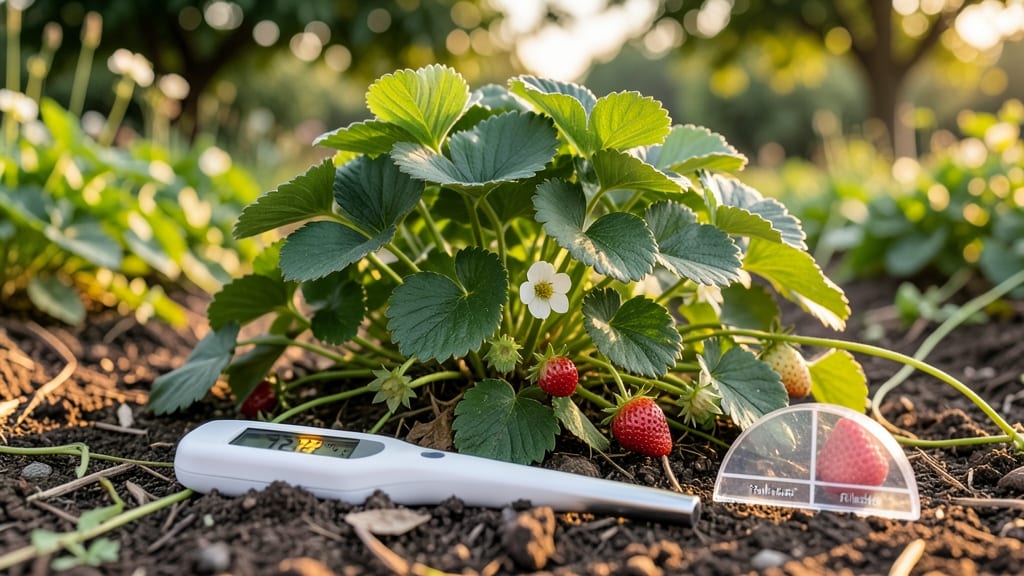
Growing strawberries at the right temperature is the key to sweet, abundant fruit—too cold or too hot, and your plants will struggle to thrive.
Picture this: your 🍓 strawberries are just starting to flower, but a late frost hits, and suddenly, you’re left with nothing but empty green stems. Or maybe your berries ripen too fast in the summer heat, turning mealy before you can pick them.
These are the challenges of growing strawberries in USDA Zone 6a and beyond.
But here’s the good news: with the right temperature ranges—daytime highs in the 70s to low 80s and nighttime lows above 40°F—you can protect your plants from stress and maximize your harvest.
Whether you’re planting in spring or fall, understanding these thresholds will help you choose the best varieties and adjust your care for the season.
In this guide, I’ll break down the ideal temperatures for each growth stage, how to shield your plants from extreme weather, and which strawberry types handle heat or cold best. By the end, you’ll know exactly how to keep your 🍓 strawberries happy year-round.

Optimal temperature ranges for strawberry growth by season
Strawberries are delicate perennials that respond dramatically to temperature shifts. While they love warmth, they can't handle extreme heat or cold—especially during critical growth stages like flowering and fruiting. Understanding these ranges helps you time plantings, protect your crop, and maximize berry production year-round.
Whether you're in Zone 5 or Zone 9, these guidelines apply to both June-bearing and everbearing varieties.
Daytime temperatures between 60°F and 75°F create the perfect balance for strawberry growth. Nighttime temperatures should stay above 40°F to prevent flower and fruit damage. Below these thresholds, growth slows or stops, while above 85°F, plants become stressed, leading to poor fruit set or even sunburned leaves.
Let's break down the ideal ranges by season to help you plan accordingly.
📊 Key Temperature Thresholds for Strawberries:
In spring, strawberries need gentle warming to break dormancy and establish roots. Planting too early when soil is still cold (<50°F) delays growth, while late spring frosts (<32°F) can kill emerging plants. Aim for 55°F daytime temps and 40°F nights for ideal early-season conditions. This range encourages root development and prepares plants for flowering.
Summer is when strawberries really shine, but only if temperatures stay moderate. The 60°F-75°F range is perfect for flowering and fruiting. However, when daytime temps exceed 85°F, pollen production drops, leading to poor fruit set.
High humidity also increases disease risk, so proper airflow and shade cloths can help. Everbearing varieties are slightly more heat-tolerant but still benefit from afternoon shade during heatwaves.
Fall brings cooler temperatures, which are actually beneficial for strawberries as they prepare for dormancy. Daytime temps between 50°F-70°F allow for late-season fruiting, while nights below 45°F signal the plant to harden off.
If frost threatens (<32°F), cover plants with row fabric or mulch heavily to protect crowns. This is also the best time to plant fall-bearing varieties in warmer climates.
Winter dormancy is essential for strawberry health, but not all varieties handle cold equally. Most strawberries survive 20°F-35°F nights with proper mulching (4-6 inches of straw or leaves). However, everbearing varieties in Zone 6 and below may need extra protection, like straw mulch or cold frames.
Avoid disturbing plants during dormancy, as new roots form in late winter to support spring growth.
Regional adjustments are key—northern gardeners should choose cold-hardy varieties like 'Honeoye' or 'Jewel', while southern growers benefit from heat-tolerant types like 'Camarosa' or 'Seascape'. Container growers face more temperature swings, so move pots to shaded areas during heatwaves or insulate with bubble wrap in winter.
Always monitor your microclimate, as urban gardens can be 10°F warmer than rural areas.
Pro tip: Use a soil thermometer to check root-zone temps, as surface temps can mislead you. Strawberry roots thrive at 55°F-65°F, even when air temps are hotter.
If your garden runs hot, opt for drip irrigation to cool roots and mulch with straw or wood chips to maintain even soil temps. With these adjustments, you'll keep your strawberries happy through every season.
🌱 Remember, strawberries are perennial plants, so proper temperature management each year leads to stronger plants and bigger harvests over time. Start with the right variety for your climate, then fine-tune care based on seasonal shifts. Your future strawberry patches will thank you!
How to protect strawberries from extreme heat or cold
Extreme temperatures can devastate strawberry plants, causing blossom drop, stunted growth, or even death. When summer heat spikes above 90°F (32°C) or winter frosts dip below 20°F (-7°C), your strawberries need immediate protection. The good news?
Simple adjustments like shade cloth, mulching, or container relocation can save your harvest. Whether you're growing in raised beds, containers, or open soil, these strategies work for all gardeners—even in high-altitude areas where temperature swings are brutal.
I’ve learned the hard way that strawberries are surprisingly resilient when given the right support. For example, during a 105°F (40°C) heatwave last summer, my container-grown Seascape strawberries wilted until I draped shade cloth and increased watering frequency. Within days, they bounced back.
Similarly, in winter, a thick layer of straw mulch kept my Albion strawberries thriving in USDA Zone 5 where temps drop to 10°F (-12°C). Let’s break down the best ways to shield your plants from both extremes.
- 1 Beat the Heat: Use 30-50% shade cloth during peak sun (10 AM–4 PM) to keep soil temps below 85°F (29°C). Water deeply in the early morning to reduce stress.
- 2 Frost Protection: Cover plants with frost blankets or row covers when temps drop below 28°F (-2°C). For containers, move them to a sheltered porch or wrap pots in bubble wrap.
- 3 Microclimate Hacks: Plant near tall perennials or fences to create shade. In high-altitude gardens, use black plastic mulch to warm soil in spring or gravel mulch to reflect heat in summer.
- 4 Container Care: Elevate pots with bricks or cinder blocks to improve airflow and prevent root rot. Move containers to shadier spots during heatwaves and bring them indoors if frost is forecasted.
- 5 Mulching Matters: Apply 4-6 inches of straw or wood chips to retain soil moisture and regulate temps. In winter, add an extra layer of leaves or pine needles for insulation.
For heat stress, I’ve found that drip irrigation is a game-changer. It delivers water directly to the roots without wetting the leaves, which can scorch in intense sun. Pair this with a light-colored mulch (like straw) to reflect sunlight and keep roots cool.
If your strawberries are in containers, switch to self-watering pots during heatwaves—they maintain consistent moisture without the risk of overwatering.
Cold snaps are equally tricky, especially if you’re growing everbearing varieties that produce fruit late in the season. I once lost an entire batch of Ozark Beauty strawberries because I underestimated a 25°F (-4°C) freeze.
Since then, I’ve started using cloche tunnels (mini greenhouse domes) over my beds, which raise temperatures by 5-10°F (3-6°C). For high-altitude gardens, where nights are colder, plant cold-hardy varieties like Jewel or Surecrop and use row covers as a preventive measure.
One often-overlooked trick is pruning. Before winter, trim back weak or diseased foliage to reduce the plant’s energy demands. This helps strawberries enter dormancy stronger and recover faster in spring.
In summer, prune old leaves to improve airflow and reduce heat buildup. Just remember: never prune during active fruiting, as it can stress the plant and reduce yield.
Finally, pay attention to soil temperature. Strawberries struggle when soil temps drop below 45°F (7°C) or rise above 90°F (32°C). Use a soil thermometer to monitor conditions—it’s a small investment that can save your harvest.
If your soil is too cold, cover beds with clear plastic to trap heat. For overheated soil, apply wet burlap or cardboard to block sunlight temporarily.