
Planting
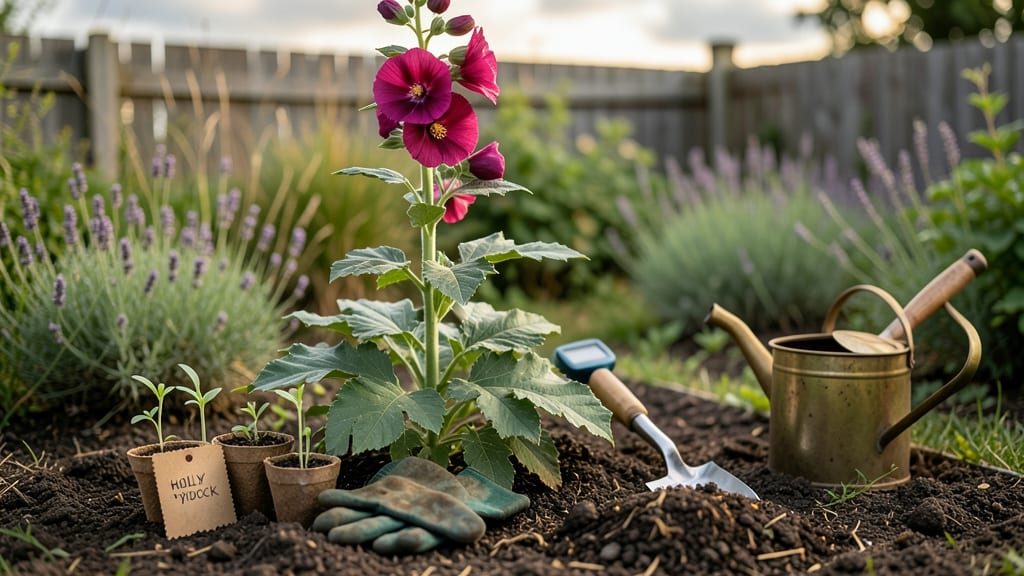
Planting hollyhocks at the right time ensures those towering 🌸 blooms reach their full height—so timing your spring planting after the last frost is the key to success.
Hollyhocks bring dramatic height and vibrant blooms to cottage gardens—but planting them at the wrong time can stunt growth or even kill your plants before they flourish. Timing is everything for these biennials, and mastering it ensures you’ll enjoy their towering beauty for years.
In USDA Zone 6a, that means waiting until after April 15 when the soil warms and frost risk fades. Too early, and cold snaps will shock young seedlings; too late, and you’ll miss the ideal 90-day growth window before summer blooms.
Below, I’ll walk you through the exact planting window for your region, soil prep secrets, and early care tips to guarantee healthy, thriving hollyhocks that reach their full 5-6 foot potential.
When to plant hollyhocks after last frost for optimal growth
Hollyhocks thrive when planted after the last frost date, but the exact timing depends on your USDA hardiness zone and soil conditions. These biennials need consistent warmth to establish strong roots before summer’s heat arrives.
In my garden, I’ve learned that rushing planting too early can lead to frost damage, while waiting too long may result in stunted growth before blooming season.
For optimal hollyhock growth, soil temperatures should reach at least 55°F (13°C)—a critical threshold for seed germination. You can check this with a soil thermometer or rely on local weather forecasts.
In colder zones, this might mean waiting until late May, while warmer climates can start as early as March. Understanding your microclimate is key, as urban areas often warm up faster than rural ones.
| USDA Zone | Last Frost Date | Ideal Planting Window | Soil Temp Requirement | Container Adjustments |
|---|---|---|---|---|
| Zones 3-5 | Mid to late May | Late May–early June | 55–60°F (13–16°C) | Use black containers to absorb heat |
| Zones 6-7 | Early to mid-April | April–May | 55–65°F (13–18°C) | Plant in south-facing pots |
| Zones 8-10 | Late February–March | March–April | 60–70°F (16–21°C) | Extend season with row covers |
To verify your last frost date, I recommend using the USDA Hardiness Zone Map alongside local weather tools like the National Oceanic and Atmospheric Administration (NOAA) website. These resources provide historical frost data for your area, helping you avoid late-season surprises.
For example, my garden in Zone 6a typically sees its last frost around April 15, but I wait until May 1 to plant hollyhocks to be safe.
For container planting, timing shifts slightly because pots warm up faster than in-ground soil. Start seeds in containers 2–3 weeks earlier than your zone’s recommended date, as they’ll need less time to establish before transplanting.
Use black or dark-colored pots to absorb sunlight and speed up soil warming. In my experience, container-grown hollyhocks bloom 1–2 weeks earlier than in-ground plants.
If you’re unsure about your local frost dates, consider using frost-sensitive plants as indicators. For instance, planting calendula or marigolds alongside hollyhocks can signal when it’s safe to move forward. These plants typically survive light frosts, giving you a natural warning system for your garden’s readiness.
Another pro tip: Direct sowing hollyhocks is always better than transplanting, as their taproots dislike disturbance. If you’re starting seeds indoors, transplant them outside only after they’ve developed 2–3 true leaves and soil temperatures are consistently above 55°F (13°C).
Hardening off seedlings for 7–10 days before transplanting reduces shock and improves survival rates.
For northern climates (Zones 3–5), consider starting hollyhocks indoors in late winter (February) to give them a head start. Use grow lights to maintain warmth until transplanting after the last frost.
In southern zones (8–10), you can even plant hollyhocks in fall (September–October) for a winter-to-spring bloom, though they’ll need winter protection in colder southern areas.
One common mistake I’ve seen is planting hollyhocks too early in cool, wet soils, which can lead to damping off or slow germination. To prevent this, ensure your soil is well-draining and amended with compost before planting.
A simple soil test can confirm pH levels—hollyhocks prefer neutral to slightly alkaline soil (6.5–7.5).
Finally, remember that hollyhocks are biennials, meaning they often bloom in their second year. Planting them at the correct time ensures they establish strong roots in their first year, setting the stage for tall, vibrant blooms the following summer.
With the right timing and care, your hollyhocks will reward you with dramatic height and color for years to come. 🌸
Hollyhock planting calendar: month-by-month guide by region
Planting hollyhocks at the right time ensures they grow into those towering, bloom-filled giants you dream of. Unlike many flowers, hollyhocks thrive when planted after the last frost, but the exact timing varies wildly depending on your region.
Coastal areas, northern climates, and southern zones all have different windows for success—get it wrong, and you risk stunted growth or even plant death before blooming season.
For northern climates (Zones 3-5), the sweet spot is typically late April to early May, while southern regions (Zones 8-10) can start as early as February. Coastal areas often have extended growing seasons, allowing for slightly earlier or later plantings.
Let’s break down the best months for your specific region to maximize those 5-6 foot floral spires.
🌱 Best Time to Plant Hollyhocks by Region
- Northern Climates (Zones 3-5): Plant late April to early May after soil warms to 50°F+. Use row covers if frost lingers.
- Midwest/Upper South (Zones 6-7): Ideal window is March to early April. Direct sow 2-3 weeks before last frost for early blooms.
- Southern Regions (Zones 8-10): Start seeds February to March or transplant October-November for fall-winter blooms.
- Coastal Areas (Zones 7-9): Plant January to February or September-October to avoid summer heat stress.
- Containers (All Zones): Transplant after last frost—hollyhocks hate root disturbance, so use biodegradable pots.
In northern regions (Zones 3-5), I recommend starting seeds indoors 6-8 weeks before your last frost date—usually by late February. Harden off seedlings and transplant after May 15 when nighttime temps stay above 50°F.
For Zone 5 gardeners, this often means waiting until early June if spring is slow to arrive.
Southern gardeners in Zones 8-10 have the luxury of two planting windows: February-March for spring blooms or October-November for winter color. In Zone 9, I’ve seen hollyhocks thrive when planted as late as December, but they’ll need light shade during peak summer heat to prevent bolting.
Coastal climates like Pacific Northwest (Zone 8) or California (Zone 9) offer unique advantages. The mild winters allow for January plantings, while cool summers extend the growing season.
In these areas, I’ve had success with September sowings for late-winter blooms—just be sure to mulch heavily to protect roots from winter rains.
Remember, hollyhocks are biennials, meaning they’ll often bloom in their second year. Planting at the right time ensures you’ll have tall, sturdy stems ready to support those vibrant blooms next summer.
For container growers, choose dwarf varieties like ‘Black Prince’ and plant after all frost danger has passed—these beauties still need full sun to reach their potential.