
Planting
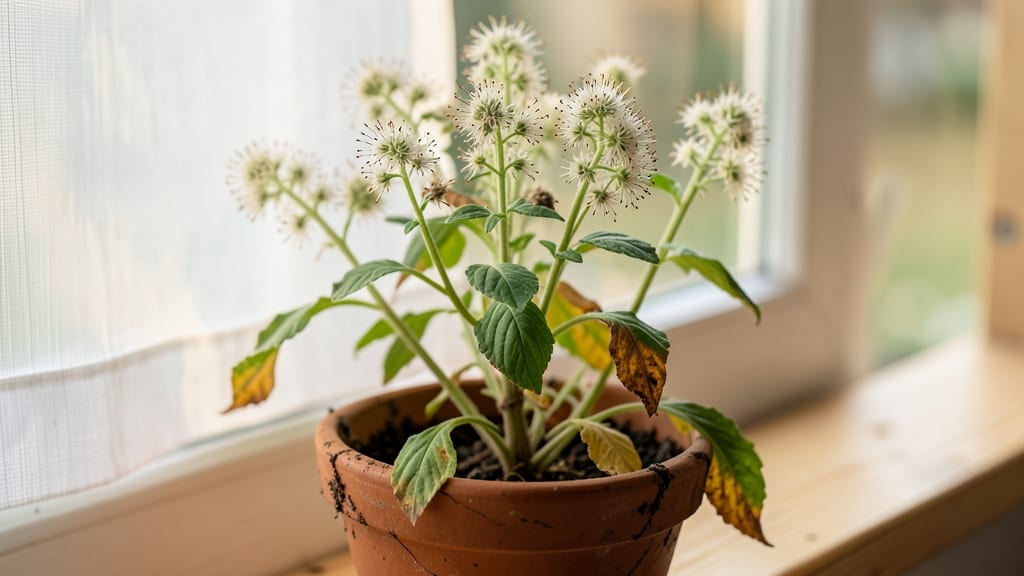
Your basil plant gone to seed before producing real harvests?
That bitter, flowery disappointment is the last thing you want after waiting all season. ✨ The good news is this: with a few simple adjustments—light pruning, consistent watering, and the right variety—you can reset your plant and still get weeks of fresh leaves before summer’s heat forces bolting again.
Bolting happens when basil senses stress: too much heat, dry soil, or even long nights signal it’s time to reproduce instead of grow leaves.
I’ve saved dozens of plants by keeping soil moist but not soggy, shading them during peak afternoon sun, and pinching off flowers as soon as they appear. The key is acting fast—once those seed stalks form, the leaves turn bitter and the plant’s energy shifts.
Here’s the game-changer: Genovese or Spicy Globe basil bolt later than traditional varieties, giving you an extra 2-3 weeks of harvest. Even with bolting, you can still harvest seeds for next year’s garden—just let a few flowers mature while you prune the rest.
By mid-summer, you’ll have both fresh pesto and a head start on next season’s plants.
No need to toss that seedling just yet. With these tricks, you’ll turn a potential loss into a second (or third!) harvest—and maybe even a stash of seeds for future gardens. Let’s get those leaves growing again!
📚 In This Guide
- What you need
- Instructions
- Tips and common mistakes
- Wrapping up and next steps
What you need
- ● Healthy basil plant: A basil plant showing signs of flowering (tiny white or purple buds) or already seeding.
- ● Pruning shears or sharp scissors: Clean, sterilized tools to avoid spreading disease (avoid kitchen scissors!).
- ● Small pots or containers: 4–6 small pots (4–6 inches wide) with drainage holes for propagation.
- ● Well-draining potting mix: A high-quality, peat-free mix (or combine 50% potting soil + 50% perlite for extra aeration).
- ● Watering can or spray bottle: For gentle hydration—avoid soaking the soil.
- ○ Rooting hormone (optional but helpful): A gel or powder to boost root growth (e.g., Clonex or Rootone).
- ● Clear plastic bag or humidity dome: To create a mini greenhouse effect (e.g., a ziplock bag with holes punched in it).
- ● Sunny windowsill or grow lights: A spot with 6+ hours of indirect sunlight daily.
- ● Labeling tags: To track basil varieties (e.g., Genovese, Thai, or Purple basil).
- ● Fish emulsion or liquid fertilizer: A diluted organic fertilizer (1 tsp per gallon of water) for faster regrowth.
- ● Garden twine or clips: To stake tall basil stems if they flop after pruning.
- ● Freezer bags or ice cube trays: For preserving harvested seeds or leaves.
How to revive your basil plant after it goes to seed
Here's the easy way to save your basil before it turns bitter and woody.
🌱 Step 1: Identify the Seed Stems and Prune Them Back
Look for those long, flower stems shooting up from the center of your basil plant—those are the culprits. Use clean, sharp scissors to cut them back to just above a set of leaves where the stem meets the main plant. I like to make the cut at a slight angle to prevent water from pooling and causing rot.
Don't worry about being too aggressive here. The more you remove, the more your basil will focus on leaf production instead of flowering. If you see multiple seed stems, trim them all back to encourage bushier growth. You'll notice new shoots emerging from the sides within a week—that's your basil telling you it's back in leaf-producing mode.
✂️ Step 2: Harvest the Leaves to Stimulate New Growth
Now's the time to give your basil a good haircut. Snip off the largest leaves, focusing on the outer ones first. This might seem counterintuitive when your plant is already struggling, but it actually helps redirect the plant's energy toward producing fresh, tender leaves instead of more flowers.
Harvest about one-third of the plant at a time. You'll see the stems look more balanced and the plant will start putting out new growth from the sides. Avoid harvesting leaves right after pruning the seed stems—give it a day or two to recover first. The goal is to keep your basil producing flavorful leaves while you work on preventing more flowering.
☀️ Step 3: Adjust Light and Watering to Prevent Future Flowering
Basil often bolts (goes to seed) when it gets too much light or isn't getting enough water. Move your plant to a spot with bright, indirect light—think morning sun with afternoon shade. If you're growing indoors, keep it within 12-14 inches of a south-facing window or under grow lights for 12-14 hours daily.
Water consistently so the soil stays evenly moist but not soggy. Stick your finger 1 inch into the soil—if it feels dry, water thoroughly until it drains from the bottom. Too much water can cause root issues, but inconsistent watering stresses the plant and triggers flowering. A self-watering pot can help maintain steady moisture if you tend to forget.
🌿 Step 4: Fertilize Lightly to Encourage Leaf Production
Give your basil a gentle boost with a balanced, water-soluble fertilizer (like 10-10-10) diluted to half strength. Mix it according to package instructions and apply it to the soil every 2-3 weeks. This helps replenish nutrients lost when you prune and harvest heavily.
I avoid heavy fertilizing right after pruning—wait until you see new growth appearing. Too much fertilizer can burn the roots or encourage more flowering. If your basil starts showing signs of stress like yellowing leaves, cut back on the fertilizer and focus on water and light instead.
⏰ Step 5: Monitor and Repeat Pruning as Needed
Check your basil every 5-7 days for new flower stems. The moment you see a tiny bud forming, snip it off immediately. This prevents the plant from putting energy into seeds and keeps it focused on leaf production. Over time, you'll get the hang of spotting those early signs and staying ahead of the flowering process.
With consistent pruning and care, your basil should bounce back within 3-4 weeks. You'll know it's working when you see fresh, dark green leaves appearing at the base of the plant. Keep harvesting regularly to maintain that bushy, productive shape—your kitchen will thank you for the fresh, flavorful leaves!
Tips & tricks for reviving basil plants gone to seed
These simple tricks will help your basil bounce back to leafy perfection in no time.
Pruning Precision: When trimming those seed stems in Step 1, look for the first set of leaves below the flower stem—this is where new growth will emerge. I like to use clean pruning shears instead of scissors to avoid crushing the stems. The more aggressive you are with pruning, the bushier your basil will become, so don't hold back!
Harvesting Strategy: In Step 2, focus on harvesting the largest, mature leaves first. These leaves have already served their purpose and removing them encourages the plant to produce fresh, tender growth. Remember to leave at least two-thirds of the plant intact to maintain its energy balance. I usually harvest about one-third of the plant at a time, but if your basil is particularly large, you can go up to half.
Light and Watering Balance: The light and watering adjustments in Step 3 are crucial. If you're growing indoors, place your basil near a south-facing window where it can get bright, indirect light for 12-14 hours daily. For outdoor plants, morning sun with afternoon shade works best. As for watering, stick your finger about 1 inch into the soil—if it feels dry, it's time to water thoroughly until it drains from the bottom.
Fertilizer Timing: In Step 4, avoid fertilizing right after pruning—wait until you see new growth appearing, which usually takes about a week. I recommend using a balanced, water-soluble fertilizer like 10-10-10, diluted to half strength. Apply it every 2-3 weeks to encourage leaf production without overloading the plant.
Pro Tips for Basil Plant Gone To Seed
- These simple tricks will help your basil bounce back to leafy perfection in no time.
- Pruning Precision: When trimming those seed stems in Step 1, look for the first set of leaves below the flower stem—this is where new growth will emerge.
- Harvesting Strategy: In Step 2, focus on harvesting the largest, mature leaves first.
Frequently asked questions
Got questions about your basil going to seed? You’re not alone! Here are some common concerns—and quick fixes—to keep your plants thriving (or at least salvage what you can).
Why does my basil go to seed so fast?
Basil bolts (goes to seed) quickly due to heat, long daylight hours, or age. Once it flowers, it shifts energy from leaves to seeds, making them bitter and less flavorful. Pro tip: Harvest leaves regularly and avoid overcrowding to delay bolting.
Can I still use basil once it’s gone to seed?
Yes! While leaves may taste bitter, they’re still edible. Remove flowers to redirect energy back to the leaves. For cooking, use young leaves or blend them into pesto to mask bitterness. Bonus: Seeds can be saved for next year!
How do I prevent basil from bolting next time?
Start seeds indoors 6–8 weeks before the last frost, use shade cloth in hot climates, and harvest leaves aggressively. Choose slow-bolting varieties like Genovese or Sweet Basil. Hot tip: Mulch around plants to keep soil cooler.
What should I do with a heavily seeded basil plant?
If it’s past saving, compost the plant (unless you want seeds for next season!). For partial rescues, prune flowers and focus on lower leaves. Alternatively, propagate cuttings from non-seeded stems to restart your harvest.
Does temperature affect when basil goes to seed?
Basil bolts faster in temps above 75°F (24°C). In cold climates, it may wait until summer. Use row covers or shade in peak heat to extend the harvest season. Remember: Basil is an annual—plan for a fall crop if possible!
Wrapping up and next steps
Don’t let a basil plant gone to seed spell the end of your harvest—this simple trick can save your plants and even boost future growth! 🌱 With just a few tools and a little patience, you can prune, propagate, and enjoy fresh basil for months.
Whether you’re a seasoned gardener or a newbie, these steps make it easy to revive your plants and turn seeds into new opportunities.
Ready to green-thumb up your garden? Start by checking your basil’s health today—your kitchen (and taste buds) will thank you! 👉 Next, grab your pruners and get growing!