
Planting
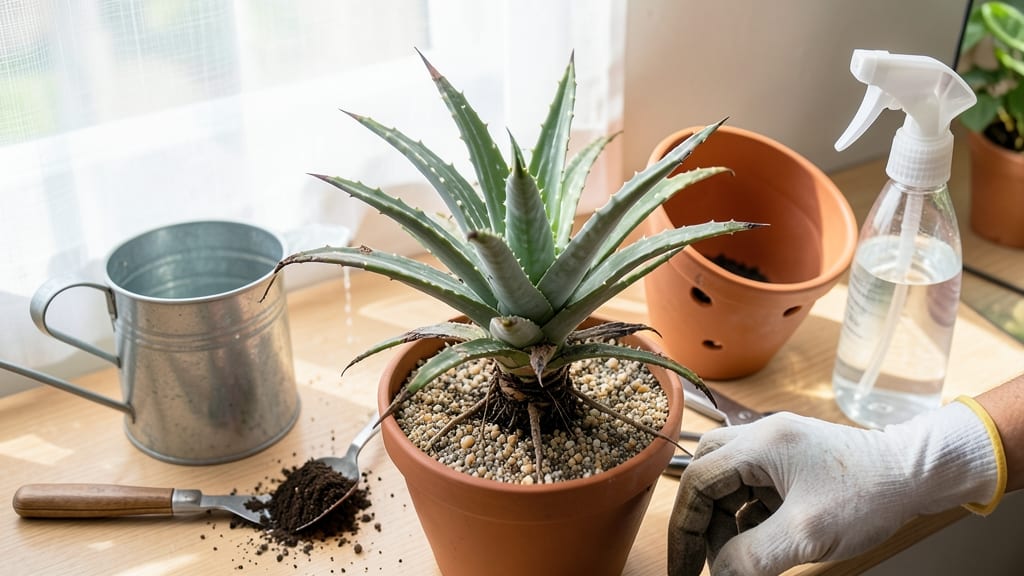
How to save a dying aloe vera plant—your plant might still have life. Root rot and overwatering are the usual culprits, but I’ve revived even the most sorry-looking specimens with these three steps. 🌱 The key is acting fast before the roots turn to mush, and I’ll show you exactly how to check, trim, and repot for a second chance at that plump, healthy rosette.
First, pull the plant gently from its pot to inspect the roots. Healthy roots are firm and white, while mushy, brown ones mean rot. Snip off the bad parts with clean scissors, then let the remaining roots dry for 24 hours before replanting in fresh, gritty soil.
This alone stops the rot from spreading—no fancy tools needed.
After repotting, give your aloe zero water for 5–7 days to let the roots heal. Once new growth appears (usually in 2–4 weeks), you’ll know the revival worked. The plant will start storing water again, and those telltale thick leaves will bounce back.
Prevent future drama by watering only when the soil is bone-dry—stick your finger 1–2 inches deep to check. Aloe thrives on neglect, not attention, so less is always better. With this method, even a limp, brown aloe can turn into a sunny windowsill showstopper again.
Root Causes Of Aloe Decline
Understanding why your aloe vera plant is struggling is the first step to bringing it back to life. Aloe plants are hardy, but they’re not invincible—when conditions shift, their survival instincts kick in, often showing distress through wilting, yellowing, or mushy leaves.
Let’s break down the scientific triggers behind a dying aloe vera, so you can pinpoint the issue and act fast.
Aloe vera plants are succulents, meaning they store water in their leaves and have adapted to survive in arid conditions.
When overwatered, their roots suffocate due to lack of oxygen in soggy soil, leading to: - Root rot (Phytophthora or Pythium fungi thrive in waterlogged soil, breaking down root cell walls). - Nutrient starvation (excess water flushes out essential minerals like nitrogen and potassium). - Physiological stress (cells swell and burst from osmotic imbalance).
💡 Pro Tip: Stick your finger 2 inches deep into the soil—if it’s damp, wait. Aloe should be watered only when the top 3-4 inches are completely dry (usually every 2-3 weeks in warm climates).
While overwatering is the #1 killer, chronic dehydration weakens aloe vera just as effectively. Signs include:
- Shriveled, papery leaves (cells collapse from water loss).
- Brown, crispy tips (osmotic damage from extreme drought).
- Stunted growth (metabolic shutdown due to lack of turgor pressure).
🌡️ Key Stat: Aloe vera leaves can lose up to 90% of their weight to water loss before wilting becomes visible—so by the time you notice, damage may already be severe.
Aloe vera hates sitting in water, yet many pots (especially ceramic or unglazed containers) trap moisture at the bottom. Clay pots may seem ideal, but if they lack drainage holes, roots will drown.
Even "well-draining" soil mixes can compact over time, creating anaerobic pockets where: - Bacteria outcompete roots for oxygen, leading to fermentation (yes, your plant’s roots are essentially "rotting" from lack of air). - Salt buildup occurs (from tap water minerals), further stressing roots.
🔧 Fix It: Repot in a terracotta or perforated plastic pot with a cactus/succulent mix (60% mineral grit, 30% peat, 10% perlite). Elevate the pot on pebbles to prevent water pooling.
Aloe vera is a sun lover, but intense direct sunlight (especially in hot climates) can cause:
- Sunburn (leaves turn white or translucent as chlorophyll breaks down).
- Leaf scorch (edges crisp and brown from oxidative stress).
On the flip side, low light (e.g., a north-facing window or shaded room) leads to:
- Elongated, weak stems (etiolation—plant stretches toward light, becoming leggy).
- Pale, weak leaves (chlorosis from insufficient photosynthesis).
📊 Light Needs: 6+ hours of bright, indirect light daily. If indoors, a south- or west-facing window is ideal. Outdoors? Morning sun + afternoon shade in hot zones.
Aloe vera thrives in USDA Zones 8-11 (50–80°F / 10–27°C).
Outside this range, stress sets in: - Cold damage (<40°F / 4°C): Cells freeze and rupture, causing black, mushy patches. - Heat shock (>95°F / 35°C): Protein denaturation occurs, leading to leaf collapse. - Humidity spikes (>60%): Fungal infections like powdery mildew (Erysiphe spp.) attack weakened plants.
❄️ Critical Temp: Never let aloe sit below 50°F (10°C) overnight—even brief cold snaps can kill it.
Aloe vera’s thick leaves deter most pests, but stressed plants become prime targets:
- Mealybugs (Planococcus citri): Sap-sucking insects that excrete honeydew, fostering sooty mold (black fungal growth).
- Scale insects (Diaspididae): Form hard, crusty shells on stems, starving the plant of nutrients.
- Fungal infections (Botrytis or Fusarium): Enter through wounds (e.g., overwatering or pruning cuts), causing root or stem rot.
🔥 Early Warning: Check the undersides of leaves and soil surface for white cottony masses (mealybugs) or sticky residue (honeydew).
Aloe vera grows slowly and doesn’t need rich soil, but severe deficiencies show up as:
- Yellowing leaves (chlorosis): Nitrogen (N) or magnesium (Mg) deficiency (common in peat-heavy soils).
- Purple stems: Phosphorus (P) deficiency (critical for root growth).
- Weak, rubbery leaves: Potassium (K) deficiency (affects water regulation).
💪 Fix It: Use a balanced, diluted fertilizer (5-5-5 or 10-10-10) once every 3-4 months in spring/summer. Never fertilize a stressed or rotting plant—it’ll burn roots!
Moving aloe vera—even to a slightly larger pot—can sever roots, triggering:
- Delayed recovery (roots take 4-6 weeks to regenerate).
- Increased susceptibility to rot (exposed roots dry out or rot faster).
- Stunted growth (plant redirects energy to healing, not leaves).
🌱 Best Practices: Repot in spring, use fresh, sterile soil, and avoid deep disturbances to the root ball. If roots are damaged, trim healthy portions with sterilized scissors and let callus over for 24 hours before replanting.
Revive Your Aloe Vera Now
Your aloe vera plant might be struggling, but don’t give up just yet! With the right care, you can nurse it back to health and even prevent future decline.
Below are practical, step-by-step solutions tailored to the most common causes of a dying aloe vera—plus tips to keep it thriving long-term. Let’s get your plant back on track! 🌱✨
If your aloe vera’s leaves are mushy, yellowing, or rotting at the base, it’s likely drowning in too much water. Aloe vera stores water in its leaves, so it’s highly sensitive to overwatering. Here’s how to fix it:
🔥 Step 1: Stop Watering Immediately
Cut off all water until the soil is completely dry. Stick your finger 2-3 inches deep into the soil—if it’s damp, wait. Aloe vera prefers dry soil over soggy conditions.
🍳 Step 2: Assess the Roots
Gently remove the plant from its pot and inspect the roots. Healthy roots are firm and white, while rotten roots are brown, mushy, or smelly.
- 🔪 Trim the bad roots with sterile scissors, leaving only the healthy ones.
- 🌡️ Let the roots dry for 1-2 days in a shaded area to prevent further rot.
🥘 Step 3: Repot in Fresh, Dry Soil
Use a well-draining cactus/succulent mix (or add perlite/pumice to regular soil). Choose a pot with drainage holes and avoid saucers that trap water.
💡 Pro Tip: Water only when the soil is bone-dry—about every 2-3 weeks in warm weather, and even less in winter.
Aloe vera needs bright, indirect light (6+ hours daily). Too much direct sun causes brown patches, while too little leads to weak, leggy growth. Fix it with these adjustments:
👨🍳 Step 1: Adjust the Light Exposure
- 🌞 Too much sun? Move the plant to a spot with morning sun + afternoon shade (east-facing window is ideal).
- 🌑 Too little light? Rotate the pot weekly for even exposure or use a grow light 12 hours/day.
🎯 Step 2: Protect from Harsh Conditions
If your aloe is outdoors, acclimate it gradually to full sun (start with 2-3 hours/day). Avoid placing it near hot windows or AC vents, which can stress the plant.
✨ Step 3: Prune Damaged Leaves
Cut off sunburned or yellow leaves at the base with clean scissors. This helps the plant focus energy on recovery.
Aloe vera thrives in warmth (55–80°F) and low humidity. Cold drafts, frost, or high humidity can shock the plant. Here’s how to adjust:
🔥 Step 1: Move to a Warmer Spot
Keep your aloe vera away from drafts (AC, doors, windows in winter). If temperatures drop below 50°F, bring it indoors.
💡 Step 2: Improve Airflow
Place a small fan nearby (on low) to mimic desert breezes. This prevents fungal issues and helps humidity-sensitive plants.
🥗 Step 3: Avoid Over-Misting
Skip misting entirely—aloe vera hates excess moisture. Instead, wipe leaves gently with a damp cloth to remove dust.
If your aloe vera is top-heavy, falling over, or growing slowly, it may be root-bound or in compacted soil. Revive it with these steps:
🍳 Step 1: Check for Root Crowding
Gently remove the plant and inspect the roots. If they’re circling the pot or poking out of drainage holes, it’s time to upgrade the pot (choose one 1-2 inches larger).
🥘 Step 2: Repot with Fresh Soil
Use a fast-draining mix (cactus soil + perlite/pumice in a 2:1 ratio). Loosen the roots before replanting to encourage spread.
💡 Step 3: Fertilize Lightly (If Needed)
Wait 4-6 weeks after repotting before fertilizing. Use a diluted succulent fertilizer (half-strength) once every 2-3 months in spring/summer.
Mealybugs, spider mites, or scale insects can weaken your aloe vera. Act fast with these remedies:
🔪 Step 1: Isolate the Plant
Move it away from other plants to prevent spreading.
🌡️ Step 2: Wipe Off Pests
Dab pests with a cotton swab dipped in rubbing alcohol (70% isopropyl) or soapy water (1 tsp mild soap + 1 cup water).
💡 Step 3: Apply Natural Repellents
- Neem oil spray (1 tsp neem oil + 1 quart water, spray weekly).
- Insecticidal soap (follow package instructions).
Once your plant is on the mend, follow these long-term care tips to avoid future struggles:
| Issue | Fix |
|---|---|
| Overwatering | Water only when soil is bone-dry (every 2-3 weeks). |
| Sunburn | Provide bright, indirect light (east or south window). |
| Root Rot | Use fast-draining soil and pots with holes. |
| Pests | Inspect leaves monthly and treat early. |
| Cold Stress | Keep in 55–80°F; avoid drafts. |
🌟 Bonus Tip: Rotate your aloe vera quarterly for even growth and sunlight exposure!
Frequently asked questions
Can I save an aloe vera with completely blackened leaves?
Blackened leaves are often a sign of severe rot or cold damage, but you may still save the plant by focusing on the healthy parts. Trim off all blackened leaves at the base with clean scissors, then check the roots. If they're firm and mostly white, repot the remaining healthy base in fresh, dry soil and withhold water for 5-7 days. New growth should emerge if the root system is still viable.
How often should I water my revived aloe vera?
After saving your aloe, water it only when the soil is completely dry—stick your finger 2 inches deep. In warm weather, this is usually every 3-4 weeks, while winter watering should be every 6-8 weeks. Overwatering is the #1 cause of death in recovered aloe plants, so err on the side of too little water.
What if my aloe vera has no roots at all?
If your aloe has lost all roots, you can still propagate it from the healthy base. Let the stem dry out for 24 hours, then place it in a shallow dish of water (just the bottom 1 inch submerged). Change the water every 3-4 days until roots form (2-4 weeks). Once roots appear, plant it in dry, gritty soil and avoid watering for 5 days to prevent rot.
Can I use hydrogen peroxide to treat root rot?
Yes! Mix 1 part 3% hydrogen peroxide with 4 parts water and soak the roots for 10 minutes before replanting. This helps kill fungal pathogens while promoting root regrowth. After treatment, repot in sterile, fast-draining soil and avoid watering for 3 days to allow the roots to recover.
Why does my aloe vera keep dying after revival?
Persistent issues usually stem from unfixed root rot or poor aftercare. Double-check your soil mix (must be 60% mineral grit), ensure proper drainage, and avoid fertilizing for 2 months post-revival. Also verify your watering habits—aloe vera needs dry soil between waterings. If problems persist, test your tap water for high salt content, which can stress recovered plants.