
Planting
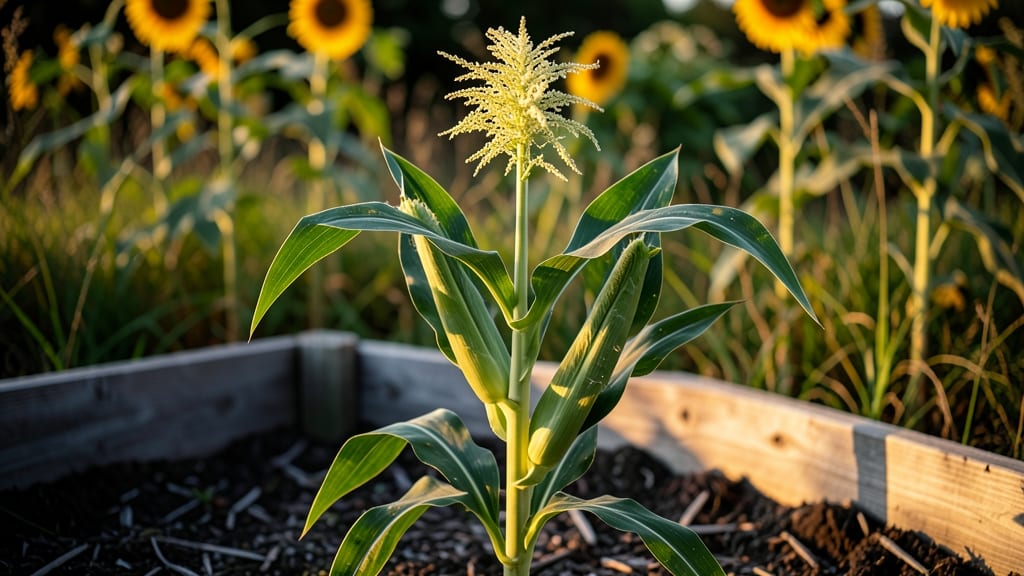
Growing sweet corn in Florida means harvesting buttery, homegrown kernels by early summer—if you time it right. 🌽 The key? Planting after the last frost (around mid-March) but before the brutal heat peaks, so your stalks mature before the humidity turns them tough.
My first Florida corn crop flopped when I ignored this window—now I swear by early spring or late fall plantings for perfect tenderness.
Florida’s sandy soil needs a boost: mix in 2-3 inches of compost before planting, and choose heat-tolerant varieties like 'Silver Queen' or 'Peaches & Cream'—they handle our humidity better than northern hybrids.
Water deeply twice a week (more during tasseling), and watch for corn earworm—cover plants with lightweight row covers at dusk to keep pests away.
By July, you’ll pull ears with juicy, sweet kernels that taste nothing like store-bought. The secret’s in the timing: harvest when silk turns brown and kernels plump in 3-4 days. Share extras with neighbors—Floridians love fresh corn, and your garden will be the talk of the block.
Pro tip: Save seeds from your best ears for next year’s garden. Florida’s long growing season lets you try two plantings—spring and fall—for a year-round supply. Just don’t skip the compost; sandy soil drains too fast, and corn needs steady moisture to grow those golden rows.
📚 In This Guide
- What you need
- Instructions
- Tips and common mistakes
- Wrapping up and next steps
What you need
- ● Sweet corn seeds: Choose a Florida-friendly variety like 'Silver Queen,' 'Peaches and Cream,' or 'Ambrosia.' Aim for 3–4 seeds per plant (plant 2–3 seeds per hill, thin to the strongest). Buy 1–2 packets (50–100 seeds) for a small garden (25 sq ft) or 3–5 packets for a larger harvest.
- ● Well-draining soil: Test your soil’s pH (aim for 6.0–6.8). Amend with compost or aged manure (1–2 inches mixed into the top 6 inches of soil) if needed.
- ● Fertilizer: Balanced fertilizer (10-10-10 or 5-5-5): Apply 1–2 tbsp per plant at planting and again when tassels emerge.
- ● Organic option: Use fish emulsion or bone meal (follow package rates).
- ● Water: A garden hose with a gentle spray nozzle or drip irrigation system (to keep soil consistently moist).
- ● Garden trowel or transplanting spade (for digging holes or transplanting seedlings).
- ● Garden rake (to loosen soil before planting).
- ● Row marker or sticks (to mark planting rows, especially if sowing in blocks).
- ● Pruners or scissors (for thinning seedlings once they’re 3–4 inches tall).
- ● Garden gloves (to protect your hands from thorns or rough soil).
- ● Mulch (straw or black plastic): Straw mulch: Spread 2–3 inches around plants to retain moisture and suppress weeds.
- ● Black plastic: Use for soil warming (lay sheets down 2–3 weeks before planting).
- ● Planting window: Start seeds indoors 2–3 weeks before Florida’s last frost (mid-March) or direct-sow outdoors after soil reaches 60°F (late March–April).
- ● Sunlight: Ensure your garden spot gets full sun (6+ hours/day).
- ● Space: Plant hills 12–18 inches apart in rows 30–36 inches apart.
- ○ Pest control (optional but helpful): Neem oil or insecticidal soap (for aphids or corn earworms).
- ● Row covers (to deter pests early in the season).
Step-by-Step instructions for growing sweet corn in Florida's climate
Florida’s long growing season and warm soil make sweet corn a rewarding crop—here’s how to grow it like a pro.
🌱 Step 1: Time Planting for Florida’s Heat Tolerance
Sweet corn thrives in Florida’s warm winters and springs, so plant your first batch 2-3 weeks after your last frost date—typically mid-February to early March. For a second harvest, sow again in late August to early September to avoid the brutal summer heat. Corn needs 60-70 days to mature, so time it to finish before temperatures hit 90°F+ consistently.
I always check the National Weather Service for frost forecasts and mark my calendar. Planting too early risks frost damage, while late plantings may produce smaller ears. Florida’s sandy soil warms quickly, so don’t wait for the ground to be perfectly dry—just workable. Use a soil thermometer to confirm soil temperatures are above 60°F before planting.
🪴 Step 2: Prepare Rows for Optimal Drainage
Corn roots need well-draining soil to prevent rot, so amend Florida’s native sandy soil with 2-3 inches of compost mixed into the top 6 inches. Work it in lightly—corn roots are shallow but spread wide. Plant seeds in rows 30 inches apart, with 12 inches between plants in the row. This spacing gives corn room to develop strong stalks and prevents disease spread.
I use a garden rake to create shallow furrows about 1 inch deep—just enough to cover the seeds. Drop 3-4 seeds per hill (a small mound of soil) every 12 inches along the row. Planting multiple seeds ensures at least one strong stalk per hill. Water the rows lightly after planting to settle the soil and keep seeds moist until germination.
☀️ Step 3: Water Deeply and Maintain Even Moisture
Corn needs 1-1.5 inches of water per week, but Florida’s humidity means you’ll water less than you think. Start watering deeply when the top 2 inches of soil feel dry, focusing on the root zone to encourage deep growth. Avoid wetting the leaves—this reduces fungal diseases like corn smut and leaf blight, which thrive in Florida’s damp air.
I use a soaker hose or drip irrigation to deliver water slowly at the base of plants. Morning watering is best—it gives foliage time to dry before evening humidity sets in. Watch for silking (the long white threads that emerge from the tassels)—this is when corn needs extra water to prevent poor ear development. If silks dry out, pollination fails, and you’ll get small, underdeveloped ears.
✂️ Step 4: Fertilize and Scout for Pests Early
Apply a balanced fertilizer (like 10-10-10) at planting, then side-dress with nitrogen-rich fertilizer when plants reach 12 inches tall. Florida’s sandy soil leaches nutrients quickly, so a light application every 3-4 weeks keeps corn vigorous. I use organic options like composted manure or fish emulsion to avoid burning tender roots.
Keep an eye out for corn earworms and armyworms, which love Florida’s heat. Handpick larvae from ears in the evening when they’re sluggish, or use row covers for young plants. If you spot rust or gray leaf spot, remove infected leaves immediately and treat with copper fungicide to prevent spread. Healthy plants resist pests better, so prioritize good airflow by thinning crowded rows if needed.
🌽 Step 5: Harvest at Peak Sweetness
Corn is ready to harvest when silks turn brown and tassels dry out, but the real test is kernels: Press a kernel with your thumbnail—it should squeeze a milky liquid, not clear water or hard starch. In Florida’s heat, corn can go from sweet to starchy in 24 hours, so check daily during peak season (spring and fall).
Use a sharp knife to cut stalks at the base, leaving the husks intact to protect the ears. Store corn in the fridge for 3-5 days or blanch and freeze for longer storage. For the best flavor, cook within 24 hours of harvest. I always save a few ears to dry for homemade cornmeal—Florida’s sweet corn makes the best grits you’ll ever taste!
Tips & tricks for growing sweet corn in Florida's climate
Here's what I've learned after growing sweet corn in Florida's unique conditions for years—these tricks ensure you get the sweetest, most productive harvest possible.
Soil Temperature is Everything: Florida's sandy soil warms quickly, but don't rush planting! The 60°F soil temperature threshold in Step 1 is non-negotiable—corn seeds won't germinate properly below this. I've found that planting in the late afternoon gives seeds a few extra hours of warmth to kickstart germination. Use a soil thermometer for 3 consecutive days above 60°F before planting. The difference between a good start and a failed crop often comes down to those few degrees.
Compost Quality Matters: When amending with 2-3 inches of compost in Step 2, focus on quality over quantity. Florida's sandy soil needs organic matter to retain moisture and nutrients, but old, decomposed compost works better than fresh manure. I mix in well-aged compost from my compost bin—it's rich in beneficial microbes that help corn roots establish faster. Avoid compost with visible weeds or seeds that might compete with your corn.
Silking Stage is Critical: In Step 3, when you see those long white silks emerge, that's your cue to step up watering. Corn needs 1-1.5 inches of water per week during this stage, but Florida's humidity means you might not need to water as often as you think. I check soil moisture by feeling the top 2 inches—if it's dry, water deeply at the base. The silks should stay moist but not soggy; dry silks mean poor pollination and smaller ears. This is when corn needs the most attention to ensure proper ear development.
Fertilizer Timing Prevents Waste: The nitrogen-rich fertilizer application in Step 4 should happen precisely when plants reach 12 inches tall. Early fertilization can burn tender roots, while late application won't help much. I use a slow-release organic fertilizer to avoid nutrient spikes. Remember that Florida's sandy soil leaches nutrients quickly, so apply that light application every 3-4 weeks consistently. Over-fertilizing can lead to excessive leafy growth at the expense of ear development—the exact opposite of what we want!
Pro Tips for Sweet Corn Florida
- Here's what I've learned after growing sweet corn in Florida's unique conditions for years—these tricks ensure you get the sweetest, most productive harvest possible.
- Soil Temperature is Everything: Florida's sandy soil warms quickly, but don't rush planting!
- Compost Quality Matters: When amending with 2-3 inches of compost in Step 2, focus on quality over quantity.
Frequently asked questions
Got questions about growing sweet corn in Florida? You’re not alone! Here are answers to the most common queries—from planting tips to troubleshooting—so you can enjoy that golden, buttery corn straight from your garden.
When is the best time to plant sweet corn in Florida?
Florida’s warm climate means you can plant sweet corn year-round, but timing matters! For peak flavor, sow seeds in early spring (February–March) or late summer (August–September). Avoid planting during extreme heat (above 90°F) or cold snaps (below 50°F), as it stresses young plants. Pro tip: Use shade cloth if planting in summer to protect tender seedlings.
How long does it take for sweet corn to grow in Florida?
Most sweet corn varieties mature in 60–90 days after planting, depending on the type (early, mid-season, or late). In Florida’s heat, some varieties (like ‘Silver Queen’ or ‘Peaches and Cream’) may mature faster—often in 70–80 days. Check seed packets for specific days-to-maturity and adjust planting schedules accordingly.
What pests or diseases should I watch for with Florida sweet corn?
Florida’s humidity and pests can challenge corn crops. Keep an eye out for:
- Corn earworms: Tiny green caterpillars that tunnel into ears. Use row covers or Bt spray for organic control.
- Fungal diseases (like gray leaf spot): Rotate crops and avoid overhead watering to prevent spores.
- Rats and raccoons: These critters love ripe corn! Use physical barriers or repellents near harvest time.
Early detection is key—inspect plants weekly for signs of damage.
Can I grow sweet corn in containers, or do I need a garden bed?
Yes! Sweet corn thrives in containers if you choose bush varieties (like ‘Bodacious’ or ‘Golden Bantam’) and provide enough space. Use a 5-gallon pot or larger (at least 12” deep) per plant, with well-draining soil. Place pots in full sun (6+ hours/day) and fertilize regularly. Just note: Pollination may be trickier in containers—plant multiple varieties or hand-pollinate with a brush.
What can I do if my sweet corn tastes starchy instead of sweet?
Starchy corn usually means it’s overripe or didn’t get enough water/sweetness. Try these fixes:
- Harvest earlier—check seed packets for ideal days to pick (often 18–22 days after tasseling).
- Ensure consistent moisture—drought stress reduces sweetness.
- Choose sugar-enhanced varieties (like ‘Ambrosia’ or ‘Peaches and Cream’) for naturally sweeter corn.
- Avoid storing harvested corn too long—eat it within 2 days for peak sweetness!
If the problem persists, test your soil pH (aim for 6.0–6.8)—nutrient imbalances can affect flavor.
Wrapping up and next steps
Growing sweet corn Florida in your garden is a rewarding journey that brings fresh, homegrown goodness to your table. From selecting the right variety to nurturing your plants with care, every step is a chance to connect with nature and savor the sweet rewards.
Whether you're a seasoned gardener or just starting out, this sunshine-grown sweetness is well worth the effort!
Ready to dive in? Start by sketching your garden layout—mark where the sun shines brightest and get those seeds ready to sprout! 🌱