
Planting
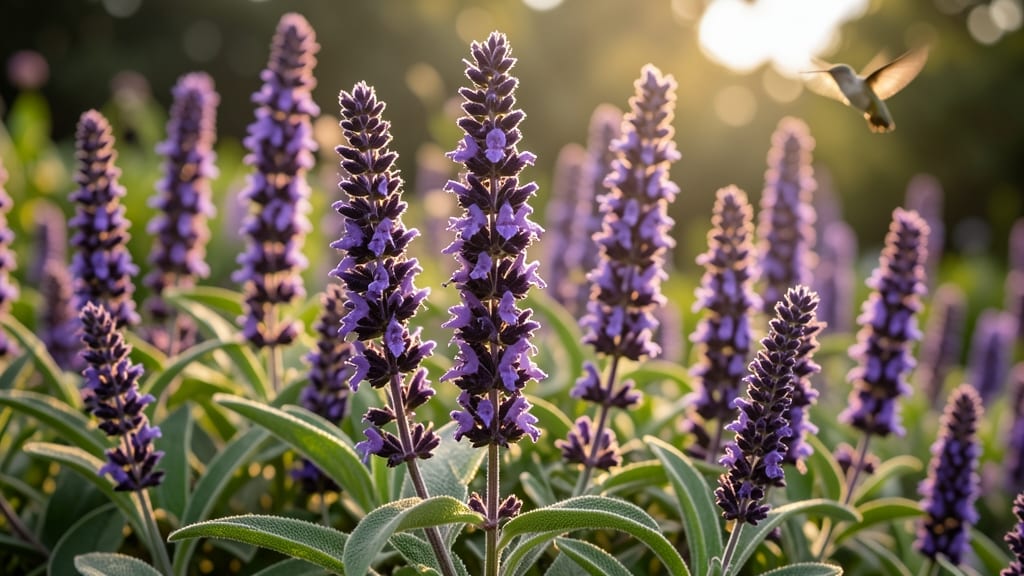
Zone 9 gardeners can transform dry landscapes into vibrant pollinator havens with these 10 drought-resistant wildflower seeds. These native and adapted species thrive with minimal water while supporting bees, butterflies, and hummingbirds year-round.
California Poppy Seeds for Golden Meadows
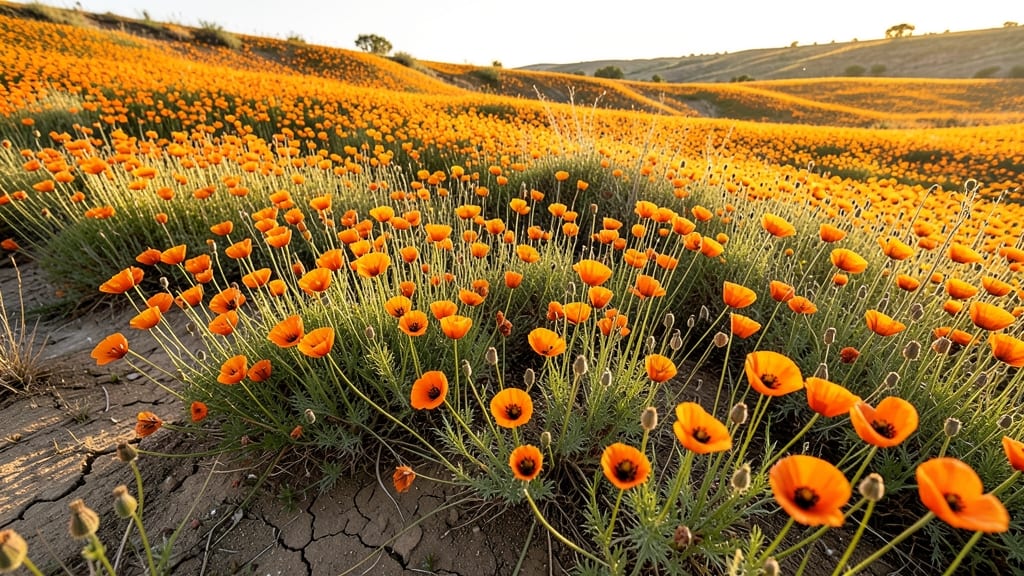
Want a zero-maintenance golden carpet that spreads effortlessly? California poppy seeds deliver bright orange blooms that self-seed prolifically, creating naturalized meadows that thrive in sunny, well-drained slopes or borders.
These cheerful annuals (though they often reseed themselves) love full sun and drought conditions once established. Simply scatter the seeds in late winter or early spring—no tilling required—and let them multiply. They’ll bloom from spring through summer, attracting bees and butterflies while adding a pop of color that’s hard to beat.
Perfect for beginners or busy gardeners, these poppies are the ultimate low-effort, high-impact choice for transforming dry, sunny spots into golden paradises. 🌻
Mexican Sunflower Seeds for Late Season Color
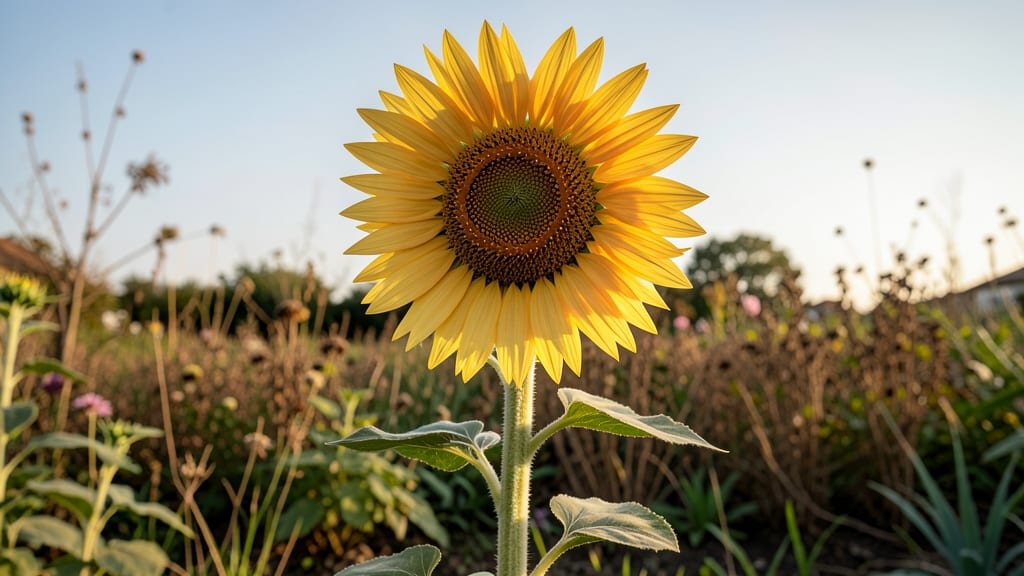
When your garden starts to fade in late summer, Mexican sunflowers step in to steal the show with their towering, golden-yellow blooms that keep producing nectar until the first frost. These vibrant stalks—reaching heights of 4 to 6 feet—bring life to mixed borders and wildlife gardens when most annuals have already called it quits.
Plant these hardy annuals in full sun after the last frost, spacing them 12 to 18 inches apart for dramatic impact. They thrive in well-drained soil and are surprisingly drought-tolerant once established, making them ideal for low-maintenance landscapes. Deadhead spent blooms to encourage continuous flowering, and watch as pollinators flock to their bright centers all season long.
Perfect for gardeners who want year-round color without the fuss, Mexican sunflowers also make excellent cut flowers, adding cheer to bouquets long after their garden counterparts have faded. 🌻
Blanket Flower Seeds for Heat Tolerance
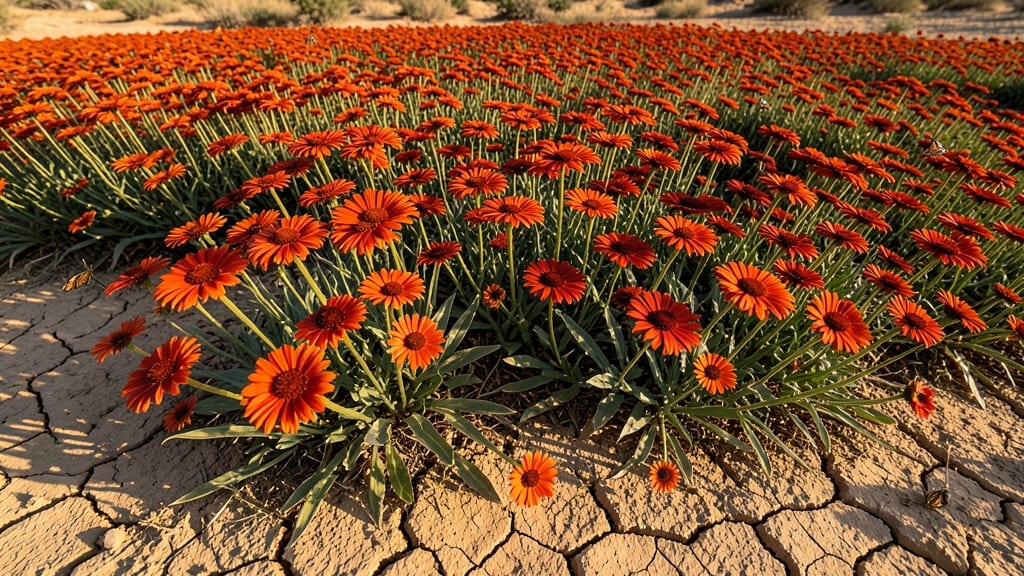
Want a low-maintenance ground cover that thrives in Zone 9’s brutal heat and poor soil? Blanket flower (Gaillardia) delivers bold, deep red-orange blooms that keep pollinators buzzing from summer through fall—without the fuss of traditional lawns.
These drought-tolerant perennials spread into dense mats that smother weeds naturally, making them ideal for slopes, borders, or between stepping stones. Plant seeds in full sun (they’ll wilt in shade) and water lightly until established—after that, they’re self-sufficient. Deadhead spent blooms to encourage more flowers, but don’t worry if you skip this step; they’ll still thrive. 🌻
Bluebonnet Seeds for Texas-Style Landscapes
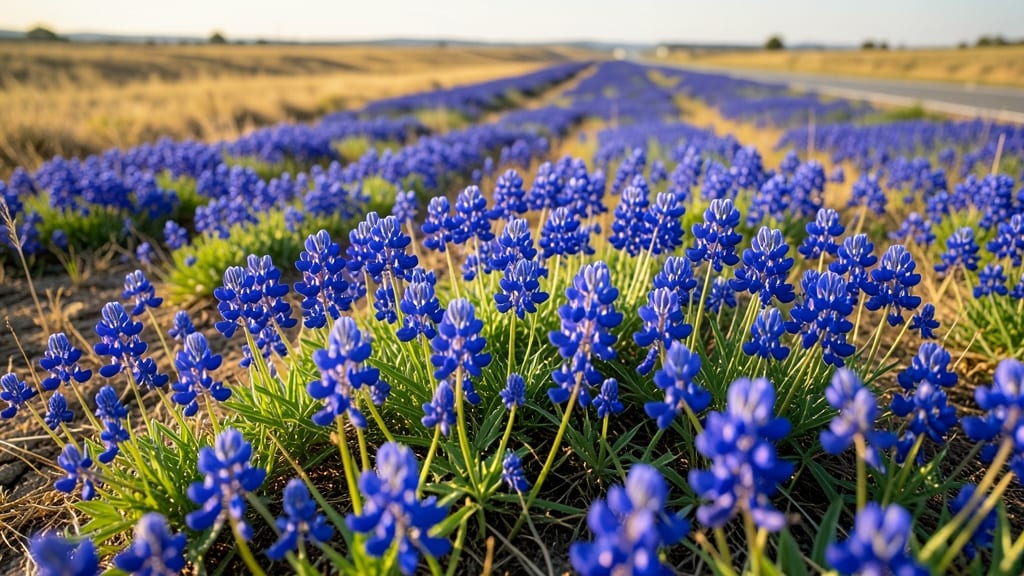
Craving that iconic Texas springtime spectacle? Bluebonnet seeds are your ticket to a sea of blue that naturalizes effortlessly in Zone 9. Unlike annuals that fade fast, these perennial wildflowers return year after year, creating dramatic carpets when planted in large drifts along roadsides or meadows.
Sow seeds directly in late fall (October-November) for best results—they need a period of cold stratification to germinate. Once established, they thrive in full sun to partial shade with minimal watering, making them perfect for low-maintenance landscapes. Bonus: They self-seed prolifically, spreading naturally over time for that signature Texas look.
This is the ideal choice for gardeners who want instant impact with minimal effort—especially those in the Hill Country or coastal regions where bluebonnets flourish naturally. 🌻
Desert Marigold Seeds for Pollinator Magnet
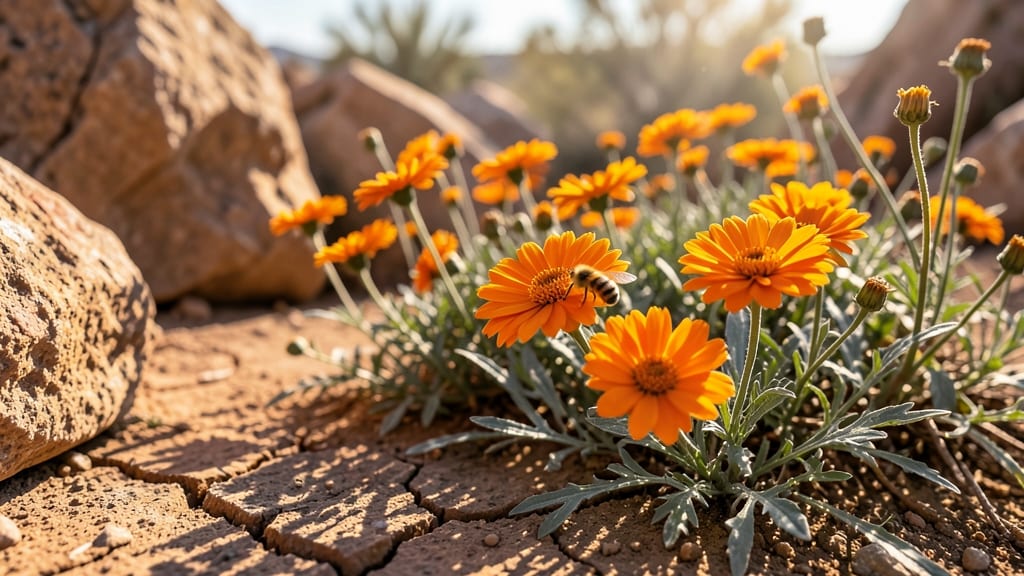
Turn your rocky, sunbaked garden spots into a buzzing pollinator paradise with desert marigold (Baileya multiradiata). Unlike traditional marigolds, this native beauty thrives in full sun and poor soil, producing bright orange daisy-like blooms that never quit—from late spring through fall.
Its succulent-like foliage stores water efficiently, making it ideal for Zone 9's dry climate, while the flowers attract hummingbirds, bees, and butterflies with their abundant nectar. Simply scatter seeds in well-drained areas (even cracks in pavement) and watch them self-seed over time. Perfect for low-maintenance borders or wildlife gardens where other plants struggle.
This is the ultimate pollinator workhorse for gardeners who want color without compromise—no fuss, no watering, just endless blooms. 🌻
Blackfoot Daisy Seeds for Low-Water Gardens
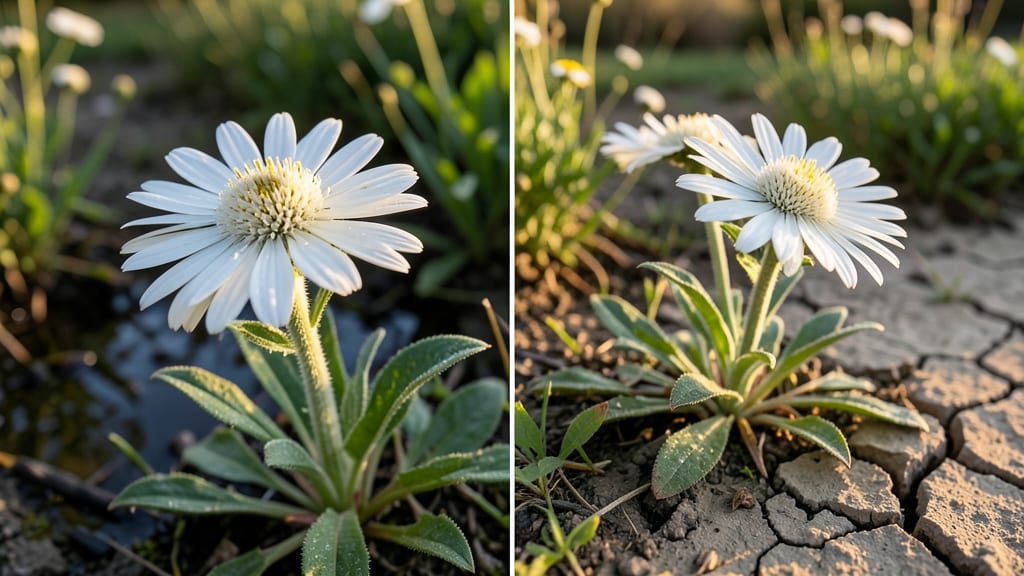
If your garden deals with occasional flooding or you're craving a low-water perennial that still thrives in wet conditions, Blackfoot Daisy (Melampodium leucanthum) is your secret weapon. Unlike most drought-tolerant plants, this native beauty handles both dry spells and soggy soil with equal grace, making it ideal for rain gardens or low-lying areas.
This clump-forming wildflower produces cheerful white daisy-like blooms with bright yellow centers from spring through fall, attracting bees and butterflies without demanding constant care. Plant in full sun to partial shade—it tolerates poor, sandy, or clay soils—while its deep taproot ensures it survives drought once established. A single plant can spread to 12-18 inches wide, creating a lush groundcover that suppresses weeds naturally.
Perfect for beginner gardeners or those with tricky spots, Blackfoot Daisy requires zero special treatment beyond occasional deadheading to encourage more blooms. Its ability to handle both drought and moisture makes it one of the most versatile perennials for Zone 9 gardens. 🌿
Goldenrod Seeds for Late Summer Interest
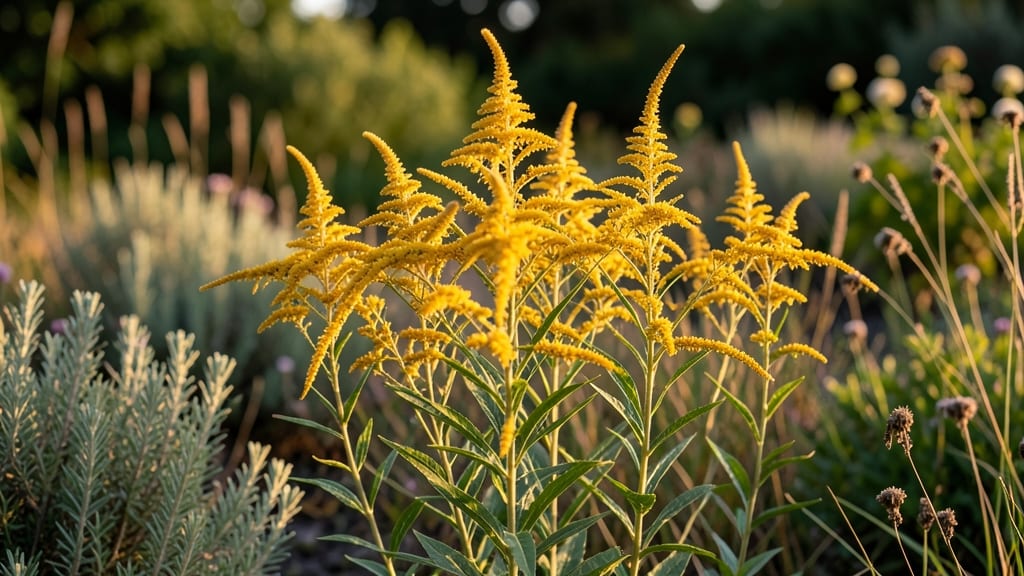
When your garden seems to fade as summer wanes, goldenrod steps in as a late-season superstar. These tall, feathery plumes burst into bloom from August through October, offering a golden contrast to the cooling greens of late summer—just when most flowers have called it quits.
Goldenrod thrives in full sun to partial shade and tolerates even the driest soils, making it ideal for Zone 9's hot, dry spells. Its most magical quality? It’s a monarch butterfly magnet, providing critical nectar for migrating butterflies during their long journey south. Simply scatter seeds in late spring or early fall for effortless naturalization.
Perfect for wildflower meadows, native plant gardens, or even as a dramatic backdrop in mixed borders, goldenrod adds height and movement while requiring almost no care. 🌻
Coreopsis Seeds for Long-Blooming Season
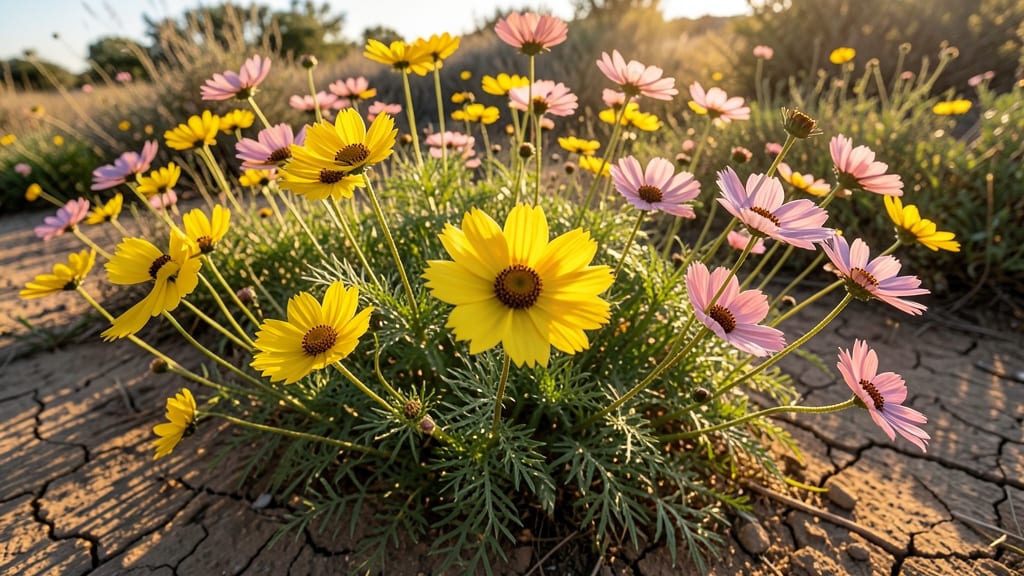
Want a wildflower that turns your garden into a buzzing, blooming paradise without the fuss? Coreopsis seeds deliver spring-to-fall color with minimal effort, thriving in Zone 9's dry heat while keeping pollinators happy.
These cheerful daisy-like flowers come in sunny yellow or soft pink varieties and bloom continuously from early summer until frost. Plant them in full sun with well-drained soil, and they'll reward you with low-maintenance beauty that self-seeds for years. Deadhead spent blooms to encourage more flowers, but otherwise, they're nearly foolproof.
Perfect for beginners or busy gardeners, coreopsis adds vibrant pops of color to borders, meadows, or even containers. Their drought tolerance makes them ideal for water-wise landscapes. 🌻
Lantana Seeds for Butterfly Gardens
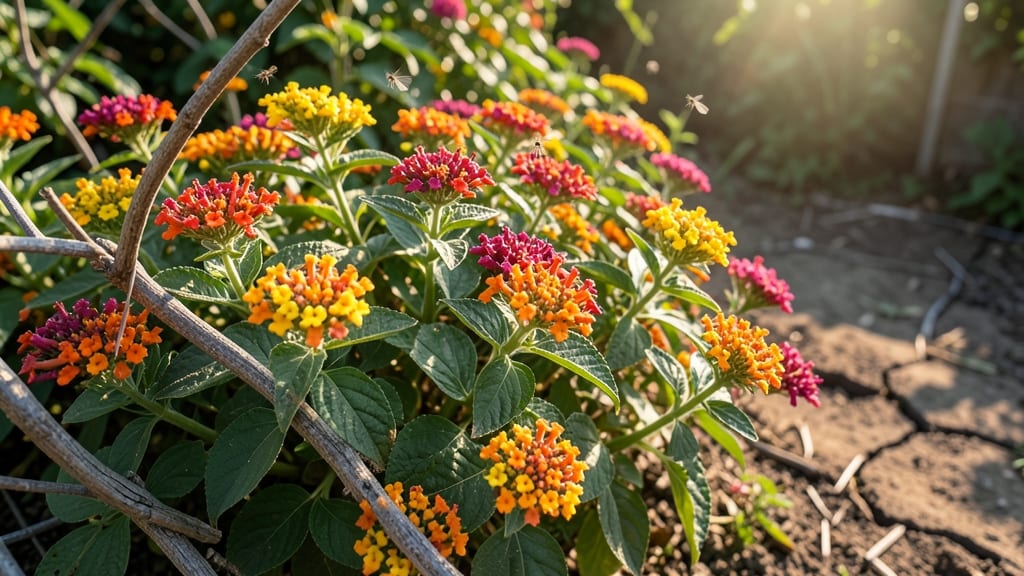
If you're tired of deer munching your garden but still want a butterfly magnet, lantana is your secret weapon. These tough, multi-colored blooms thrive in full sun and poor soil, making them perfect for neglected corners or large borders where other plants struggle.
Lantana's tiny, clustered flowers come in vibrant hues like yellow, orange, and pink, attracting monarchs, swallowtails, and other pollinators while repelling deer with their bitter foliage. Once established, they require almost no water—ideal for Zone 9's dry climate—and bloom continuously from spring through fall. For maximum impact, plant in mass plantings or along fence lines where butterflies can easily find them.
This low-maintenance powerhouse is especially great for urban gardeners with limited space or those looking to create a pollinator-friendly hedge without the upkeep of traditional shrubs. 🌻
Salvia Leucantha Seeds for Hummingbird Feast

Watch your garden become a hummingbird hotspot with Salvia leucantha, also called Mexican bush sage. These velvety purple flower spikes bloom from late summer through fall, providing a nectar feast when other flowers have faded. The deep purple blooms create stunning contrast against green foliage and attract hummingbirds from dawn till dusk.
Once established, Salvia leucantha thrives on neglect—it's incredibly drought-resistant and handles poor soil with ease. Plant in full sun for best results, and you'll enjoy continuous blooms with minimal care. This perennial pairs beautifully with other drought-tolerant plants like lavender or yarrow in cottage gardens or mixed borders.
Perfect for gardeners who want low-maintenance beauty with high pollinator value, this plant is especially rewarding for those in Zone 9 who love watching hummingbirds flit between the velvety spikes. 🌻