
Planting
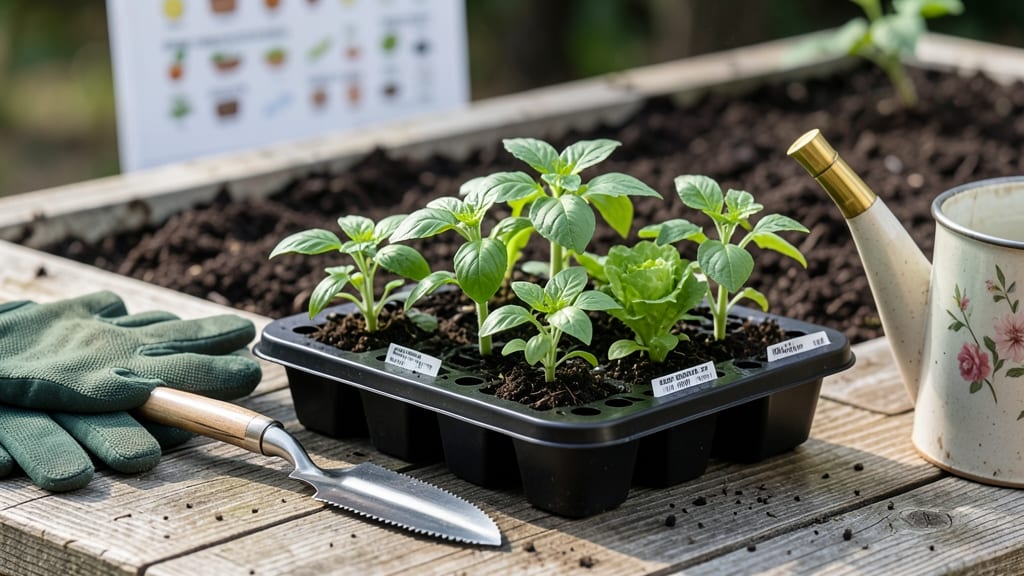
Planting in Zone 9a at the right time 🌱 means the difference between a thriving garden and a struggle with pests or stunted growth—because your schedule isn’t the same as a cooler climate’s.
Zone 9a’s mild winters and long growing season make it a gardener’s paradise—but planting at the wrong time can mean stunted growth, pests, or even crop failure. Master these exact deadlines to maximize yields and avoid common mistakes.
Here’s the key: heat-sensitive crops like tomatoes and peppers need to go in the ground in fall or early winter, while cool-season greens like kale and carrots thrive when planted in late summer or early fall.
Get this wrong, and you’ll end up with bolting lettuce or wilted basil before it even matures.
Below, I break down the exact planting windows for every major crop, plus how to adjust for your local microclimate—whether you’re in the Arizona low deserts or Southern California’s coastal hills. No more guessing, just data-backed timing for your best harvest yet.
Zone 9a planting calendar: exact deadlines by crop type
Zone 9a gardeners enjoy frost-free growing year-round, but timing still matters—especially for heat-sensitive crops like tomatoes and cool-season greens that bolt in summer. Unlike northern zones, you can plant almost any vegetable in fall or winter, but summer heat demands extra care.
I’ve broken down the exact planting windows for your most productive crops, including last-chance dates for fall harvests to avoid winter dormancy.
Start by dividing crops into three categories: warm-season staples (tomatoes, peppers), cool-season favorites (kale, carrots), and perennials/herbs that thrive year-round. For example, basil and cucumbers need warm soil (70°F+) to germinate, while broccoli and spinach prefer cooler temps (60-70°F).
My calendar accounts for these needs, plus local microclimates like coastal vs. desert areas where temps can vary by 20°F.
| Crop Type | Optimal Planting Window | Last Chance for Fall | Notes |
|---|---|---|---|
| Warm-Season Veggies | Feb–April, Sept–Oct | Early Sept (harvest before Dec) | Tomatoes, peppers, eggplant need 80°F+ soil. Use shade cloth in summer. |
| Cool-Season Veggies | Aug–Sept, Jan–March | Mid-Oct (harvest before Jan) | Lettuce, spinach, broccoli bolt in summer. Mulch to keep soil cool. |
| Herbs | Year-round (spring/fall best) | None (perennial herbs) | Basil thrives in summer; parsley prefers cooler months. Harvest regularly. |
| Flowers | Feb–March, Sept–Oct | Late Sept (for winter blooms) | Marigolds, zinnias tolerate heat; pansies need cooler temps. |
| Perennials | Fall (Oct–Nov) or spring | N/A (establish before summer) | Rosemary, lavender, and citrus thrive with minimal care once planted. |
For warm-season vegetables, the best planting window is February through April, with a second chance in September-October for fall harvests. Tomatoes and peppers, for example, should be sown when soil temps hit 70°F+.
I test soil with a thermometer—if it’s cooler, wait or use black plastic mulch to warm it faster. Fall planting is critical here: seeds sown after early September may not mature before winter rains arrive.
Cool-season crops like kale and carrots actually prefer August-September planting to avoid summer bolting. These greens thrive in 60-70°F soil and can handle light frosts (rare in Zone 9a). My trick?
Plant a successive crop every 2 weeks from August through October to ensure a steady harvest. For example, sow spinach on August 15, September 1, and September 15 for staggered maturity.
Herbs are the easiest crops in Zone 9a—most grow year-round with minimal fuss. Basil loves summer heat but flops in winter; swap it for parsley or cilantro in cooler months.
I’ve even grown mint in containers on my patio all year. The key is regular harvesting: pinching back stems encourages bushier growth and prevents bolting.
Flowers follow similar rules: heat-lovers like zinnias go in spring/fall, while cool-weather pansies shine in winter. My go-to annuals are marigolds (pest-repellent) and sunflowers (fast-growing). For perennials, fall planting (October-November) gives roots time to establish before summer heat.
I’ve seen rosemary bushes planted in fall outperform spring-planted ones by 30% the next year.
Pro tip: Use shade cloth (30-50%) for summer plantings of lettuce or basil to protect from intense afternoon sun. I also mulch heavily (2-3 inches of straw) to retain moisture and cool soil. In desert areas, <
How to adjust planting times for Zone 9a’s microclimates
Your neighbor’s tomato plants might thrive on their schedule, but your elevation or urban heat island could mean your soil warms up weeks earlier—or stays cooler longer. Zone 9a’s diverse microclimates demand flexibility.
For example, a container garden on a rooftop in Phoenix heats up faster than an in-ground bed in coastal San Diego. Adjusting your planting times based on local conditions is the key to avoiding heat stress or slow germination.
Start by testing your soil temperature with a simple soil thermometer ($10 at garden centers). Most warm-season crops like peppers and cucumbers need soil temps above 60°F (15°C) to sprout. If your soil hits that mark in March (like in low deserts), you’re good to go.
But in cooler microclimates, wait until April or even May. My container basil once bolted prematurely because I planted it too early in my sunny patio—a lesson in patience!
🚨 callout warning 🚨
⚠️ Microclimate Mistakes Can Ruin Your Harvest
Urban heat islands can raise temps by 5-10°F compared to rural areas. If you’re planting cool-season crops like lettuce or broccoli, your urban garden might need a shade cloth or evening watering to prevent bolting. Conversely, high-elevation pockets in Zone 9a (like parts of Southern Arizona) may still see light frosts—always check historical frost maps for your exact location.
Containers heat up faster than in-ground beds. Use light-colored pots and mulch to insulate roots. For heat-sensitive seedlings, start them indoors or in a cool greenhouse until soil temps stabilize.
For in-ground beds, dig a 6-inch hole and check soil depth with your thermometer. If the top 2 inches are ideal but the 4-inch layer is still chilly, delay planting root crops like carrots or beets until deeper soil warms.
Meanwhile, shallow-rooted herbs like cilantro or parsley can handle cooler surface temps better. I once planted radishes in my raised bed too early, and they sprouted fine, but the soil below stayed too cold for the roots to bulk up properly.
Elevation shifts matter too. A 1,000-foot elevation gain can drop temps by 3-5°F, delaying planting by 2-3 weeks.
If you’re gardening in a mountain foothill within Zone 9a, monitor local weather stations for nighttime temps. Heat-loving crops like okra or sweet potatoes thrive in the low desert but may struggle in cooler microclimates.
My sweet potato slips once failed to root in a higher-elevation spot because the soil stayed below 70°F (21°C) for too long.
Adjust your schedule for container gardening too. Pots dry out faster and heat up quicker, so warm-season veggies like tomatoes or peppers can be planted 2 weeks earlier in containers than in-ground. However, cool-season greens may need 1-2 weeks later to avoid stress.
I use self-watering containers with thermal insulation to buffer temperature swings. Pro tip: Place thermometer strips on the soil surface of containers to track daily fluctuations.
Finally, observe your garden’s microclimate patterns for at least 2 seasons to refine your schedule. Note when pests (like aphids) peak or when bolting occurs in greens. My kale bolts by mid-April in my sunny backyard, but my neighbor’s kale in a shadier spot lasts until May.
By tweaking planting times based on these observations, you’ll turn your garden into a high-yield microclimate machine. 🌱