
Planting
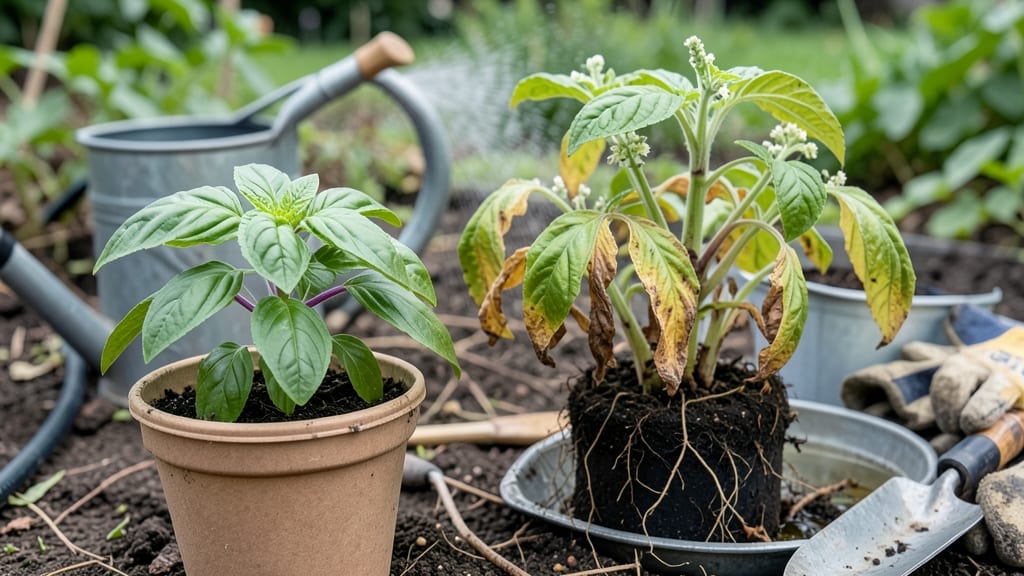
Your basil wilted after transplant because its roots took a beating—and now they need a little TLC to bounce back. 🌱 I’ve nursed more than my share of sad-looking basil plants back to health, and the secret lies in understanding what went wrong and how to give those roots the support they need.
Transplant shock happens when roots get damaged during the move, or when the new environment stresses the plant too much. Overwatering, sudden temperature swings, or even just planting too deep can trigger that telltale droop. The good news?
With the right care, your basil can recover in just a few days. Start by giving it a root boost—trim any mushy roots, water deeply but gently, and move it to a shadier spot for a day or two.
Keep the soil consistently moist (not soggy) and watch for new growth within a week. The key is patience and consistency. This fix works for any wilting basil after transplant, whether you’re dealing with seedlings or mature plants. Let’s get those leaves perking up again!
Root Shock’s Silent Damage
When your basil wilts after transplanting, the real villain is often root shock—a stress response that disrupts water and nutrient uptake. This happens when delicate roots are disturbed during the move, even if the plant looks healthy above ground.
Let’s break down the science behind why this occurs and how to prevent it.
Basil roots are fragile and highly sensitive to disruption. During transplanting, even gentle handling can sever tiny root hairs or damage the root zone. These hairs absorb 90% of the plant’s water and nutrients, so when they’re compromised:
- Water uptake plummets – Roots struggle to pull moisture from the soil, causing cells to lose turgor (firmness) and leaves to droop.
- Nutrient starvation – Damaged roots can’t efficiently absorb minerals like potassium and calcium, leading to metabolic slowdown.
- Oxidative stress – Exposed roots release ethylene gas, a plant hormone that accelerates wilting and even triggers cell death in severe cases.
Actionable fix: Soak roots in water for 10–15 minutes before transplanting to hydrate them and reduce shock. Use a rooting hormone or compost tea to stimulate regrowth.
Transplanting into soggy soil or a container without drainage creates a double whammy: root suffocation and fungal infections. Basil roots need oxygen to respire, but waterlogged conditions:
- Drown root cells, cutting off oxygen supply and triggering anaerobic respiration (which produces toxic alcohol byproducts).
- Invite Pythium or Phytophthora fungi, which rot roots and block water transport.
- Cause nutrient lockout—excess water flushes away soluble minerals like nitrogen, starving the plant.
Actionable fix: Use well-draining soil (60% potting mix + 30% perlite + 10% compost) and containers with drainage holes. Let the top inch of soil dry between waterings.
Basil is a sun-worshipper, but sudden changes in light, temperature, or humidity after transplanting can send it into a tailspin. Common triggers:
| Stressor | Effect on Roots | Symptoms |
|---|---|---|
| Direct hot sun post-transplant | Soil dries too quickly; roots can’t keep up with water loss. | Leaves scorch (brown edges) or wilt from dehydration. |
| Cold drafts or temperature swings | Slows root enzyme activity, halting nutrient absorption. | Stunted growth, yellowing leaves (chlorosis). |
| Low humidity | Increases transpiration (water loss) faster than roots can replace it. | Wilting within hours, even if soil is moist. |
Actionable fix: Acclimate basil to outdoor conditions over 3–5 days (harden off) and avoid transplanting in peak heat. Use shade cloth for the first week if needed.
Basil thrives in mildly acidic to neutral soil (pH 6.0–7.0), but transplanting into soil that’s too alkaline or nutrient-poor can strangle its roots. Problems include:
- Alkaline soil (pH >7.0): Locks out iron and manganese, causing interveinal chlorosis (yellow leaves with green veins) and weakened root function.
- Compacted or clay soil: Restricts oxygen flow, leading to root asphyxiation.
- Lack of micronutrients: Even if soil looks fertile, a deficit in boron or zinc can stunt root growth.
Actionable fix: Test soil pH and amend with sulfur (to lower pH) or lime (to raise it). Mix in a balanced organic fertilizer (like 5-5-5) at transplant time.
Revive Your Basil Quickly
When your basil wilts after transplanting, it’s often a sign of stress—but don’t panic! With the right care, you can nurse it back to health and prevent future setbacks. Below are targeted solutions for common causes, along with prevention tips to keep your basil thriving.
Transplant shock happens when basil’s delicate roots are disturbed, disrupting water and nutrient uptake. Here’s how to revive it fast:
💧 Step 1: Water Deeply (But Gently)
- Why? Wilting often means the roots aren’t absorbing water yet.
- How?
- Soak the soil 1–2 inches deep with room-temperature water (cold water can shock roots further).
- Avoid overhead watering—use a watering can with a narrow spout or drip irrigation to prevent stem rot.
- Pro Tip: 💡 If the soil feels dry, water again in 12 hours.
If soggy, wait 24 hours before rewatering.
🌿 Step 2: Trim Damaged Leaves (But Not Too Much!)
- Why? Wilting leaves can’t photosynthesize efficiently, draining energy.
- How?
- Snip only the most limp, yellow, or brown leaves (about 20–30% of the plant).
- Avoid cutting healthy growth—this stresses the plant further.
- Pro Tip: ✨ Use sterilized scissors to prevent disease spread.
🌡️ Step 3: Adjust Temperature & Humidity
- Why? Basil struggles in extreme heat or cold post-transplant.
- How?
- Move to a shady spot (50–70% shade) for 3–5 days to reduce stress.
- If humidity is low (<40%), mist leaves lightly 2x/day or use a humidity dome.
- Avoid drafts (AC vents, wind) for at least a week.
If the soil stays soggy for days, roots suffocate and wilt sets in.
🔥 Step 1: Check the Soil
- Signs of overwatering: Yellow leaves, mushy stems, foul smell.
- Fix:
- Stop watering immediately and let the top 1–2 inches dry out before watering again.
- Amend the soil with perlite or sand (20% mix) to improve drainage.
🍳 Step 2: Repot If Needed
- Why? Compacted or waterlogged soil traps moisture.
- How?
- Gently remove the plant and rinse roots to check for rot (black/mushy = bad).
- Repot in fresh, well-draining potting mix (avoid garden soil—it compacts).
- Pro Tip: 🌡️ Use a terracotta pot—it wicks away excess moisture better than plastic.
Basil burned by harsh sun after transplant wilts and scalds—but recovery is possible!
👨🍳 Step 1: Gradually Acclimate to Sun
- Why? Sudden sun exposure causes osmotic shock.
- How?
- Move basil to morning sun + afternoon shade for 3–5 days.
- After a week, slowly increase sun exposure (1–2 hours more per day).
- Pro Tip: 🎯 Dappled sunlight (under a sheer curtain) works best for recovery.
🥘 Step 2: Shield with Row Covers (If Needed)
- Why? Direct midday sun (10 AM–4 PM) is brutal for stressed plants.
- How?
- Use a lightweight row cover or shade cloth (30–50%) for 5–7 days.
- Remove in the evening to allow gentle cooling.
Once your basil recovers, keep it happy long-term with these habits:
| Problem | Prevention Fix |
|---|---|
| Root shock | Transplant in late afternoon (roots recover overnight). |
| Overwatering | Use self-watering pots or drip irrigation. |
| Poor drainage | Add compost + perlite to soil mix. |
| Sunburn | Hardening off for 7–10 days before transplant. |
| Pests (aphids, spider mites) | Spray neem oil weekly as a preventative. |
Final Thought: 🌿 Basil is resilient—with the right care, it often bounces back in 3–7 days. Monitor closely, adjust conditions, and soon you’ll be harvesting lush, fragrant leaves for your favorite dishes!
Frequently asked questions
Why does basil wilt immediately after transplanting?
Basil wilts quickly after transplanting due to root shock—the delicate roots get damaged during the move, disrupting water and nutrient flow. Even gentle handling can sever tiny root hairs that absorb 90% of moisture. The plant reacts by wilting as its cells lose turgor pressure. This happens within hours because basil roots are extremely sensitive to disturbance.
Can I save basil that’s completely wilted after transplanting?
Yes! With proper care, wilted basil often recovers within 3–7 days. Start by giving it deep but gentle watering (1–2 inches down) and moving it to shade for 3–5 days to reduce stress. Trim only the most damaged leaves (20–30% max) and avoid overhead watering to prevent fungal issues. Most basil bounces back if the roots aren’t rotted.
Is it better to transplant basil in the morning or afternoon?
Transplant basil in the late afternoon for best results. This gives roots time to recover overnight in cooler temperatures, reducing stress. Morning transplants expose plants to peak heat later in the day, which can dehydrate already vulnerable roots. If you must transplant in the morning, provide shade for the first 24 hours and water thoroughly before sunset.
How do I know if my basil is wilting from overwatering or transplant shock?
Check the soil and stems: Overwatered basil has yellow leaves, mushy stems, and foul-smelling soil (roots suffocate). Transplant shock shows as droopy but firm leaves, dry soil at the surface, and no foul odor. For shock, water deeply and provide shade; for overwatering, stop watering immediately and improve drainage with perlite or sand.
Should I use rooting hormone when transplanting basil?
While not essential, a natural rooting hormone (like willow water or compost tea) can help basil recover faster by stimulating root growth. Mix a diluted solution (1 part hormone to 10 parts water) and soak roots for 10–15 minutes before transplanting. Avoid chemical hormones—they can stress sensitive basil roots. Organic options are gentler and just as effective.