
Plants
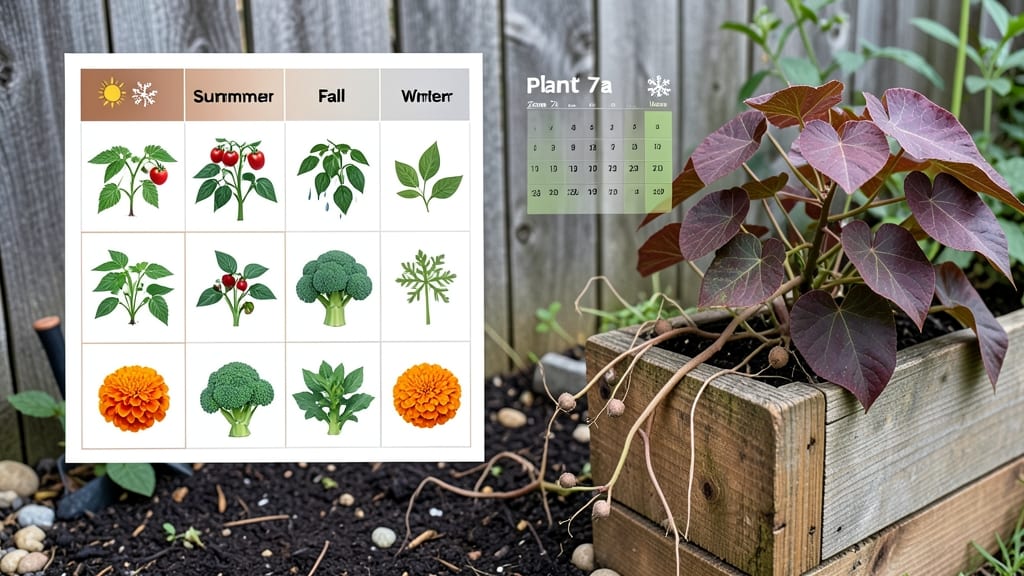
To plant in Zone 7a, time your schedule around frost dates: sow cool-season crops like lettuce and peas 2-4 weeks before the last frost (typically mid-March), while warm-season plants like tomatoes and peppers go in 2 weeks after last frost (late April to early May). Adjust for microclimates—sheltered areas may allow earlier planting.
Zone 7a's frost-free period typically spans 180-210 days, but exact timing varies by location—think Appalachian valleys versus Piedmont plains. 🌱 Cool-season crops thrive when soil temps hit 40°F, while warm-season plants need 60°F+ consistently.
I always check local weather records for the 10-year average, as even a few degrees difference can shift planting windows by weeks. For example, high-altitude areas might delay warm-season starts until early May.
Microclimates can shift your schedule by 2-4 weeks. South-facing slopes warm faster, while low-lying areas hold cold longer. I’ve seen gardeners in sheltered spots plant tomatoes in early April, while open fields wait until May.
Cold frames and black plastic mulch can extend early starts by 10-14 days, while shade-loving plants like spinach may need later sowing in hot microclimates.
💡 In This Article
- Zone 7a Frost Dates and Planting Timelines by Season
- Microclimate Adjustments for Zone 7a Gardens
Zone 7a frost dates and planting timelines by season
Zone 7a's frost-free period is determined by two critical dates: the average last spring frost (typically between March 15 and April 15) and the first fall frost (usually October 15 to November 1). These dates create a 180-210 day growing window, but the exact timing varies by subregion.
For instance, the Appalachian Mountains in Zone 7a often experience later springs and earlier falls than the Piedmont region, meaning gardeners there might have only 160 frost-free days compared to 200+ days in warmer lowland areas.
The science behind frost timing involves temperature thresholds that trigger plant damage. Cool-season crops like lettuce and peas thrive when soil temperatures reach 40°F, while warm-season plants like tomatoes and peppers require consistent 60°F+ soil temps.
This is why you'll see seed packets recommend planting cool-season crops 2-4 weeks before last frost—the plants mature quickly in cooler weather, while warm-season crops need the full heat of summer to develop properly. 🌱 For example, broccoli sown in early March (4-6 weeks before last frost) will bolt by summer, but if planted in April, it may survive to produce edible heads.
Calculating your exact planting window involves checking local weather records for the 10-year average frost dates. Many agricultural extensions provide this data, or you can use online tools that input your ZIP code.
What most people don't realize is that even a 5°F difference in average last frost date can shift your planting schedule by 1-2 weeks.
For example, in the Blue Ridge Mountains, gardeners might delay warm-season starts until early May, while those in the Piedmont can plant tomatoes in late April without risking frost damage.
Understanding these frost patterns helps you align planting with plant life cycles. Cool-season crops like spinach and kale can handle light frosts, so they're often sown in early spring and late summer for fall harvests.
Conversely, warm-season crops like peppers and eggplants are frost-sensitive and must wait until soil temperatures stabilize above 60°F. The key is matching the plant's heat requirements with your local climate data—this is how you avoid wasted effort or lost crops due to timing mismatches.
For gardeners in Zone 7a, the first fall frost is equally important. It signals the end of the growing season for frost-sensitive plants, but also creates opportunities for fall planting of hardy crops like radishes and arugula.
These can be sown 6-8 weeks before first frost to mature before cold temperatures set in. The science here involves photoperiodism—many plants respond to shortening daylight hours by accelerating growth, which is why fall plantings often produce faster than spring ones.
One practical tip I've learned is to use frost-free degree days as a guide. These measure accumulated heat above a baseline temperature (usually 32°F), helping you predict when plants will mature.
For example, tomatoes typically need 1,200-1,500 degree days to ripen. By tracking these, you can adjust planting dates to ensure harvests coincide with your frost-free window. 🌿