
Planting
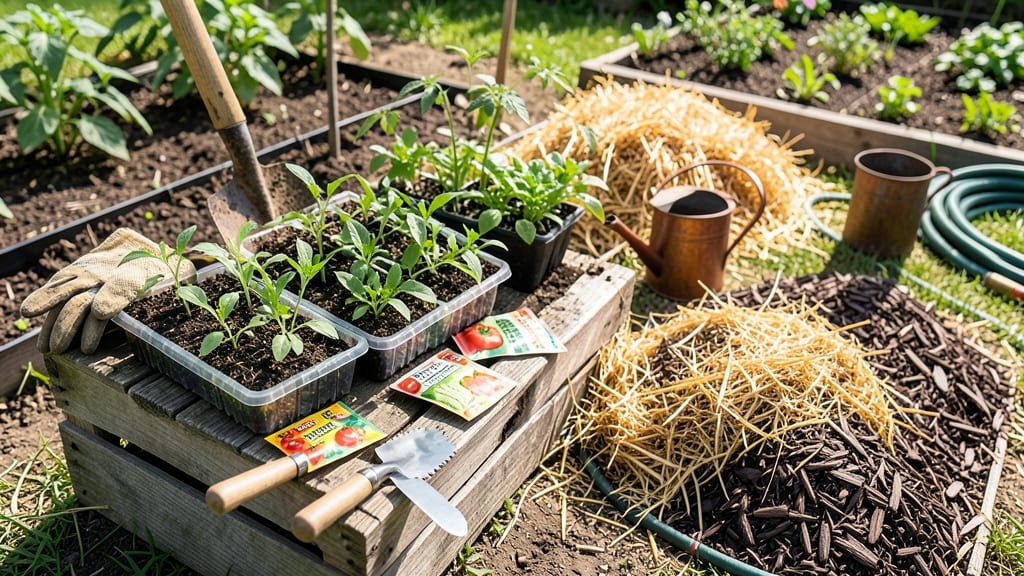
Planting your garden in West Virginia at the right time means the difference between a bountiful harvest and a season of disappointment 🌱 — and the clock starts ticking in early spring.
West Virginia’s diverse climate—from Appalachian valleys to the Ohio River plains—means planting your garden at the wrong time can mean the difference between a thriving harvest and a wasted season. Timing isn’t just about the calendar; it’s about understanding your microclimate, frost dates, and the best varieties for your zone.
Whether you’re starting seeds indoors in February or direct-sowing heat-loving tomatoes in June, knowing your USDA zone (most of WV falls in zones 5-7) helps you avoid late frosts that can kill tender seedlings.
In northern counties, wait until after May 15; in the Charleston area, you can plant greens as early as March 20.
Below, I’ll break down the exact planting windows for vegetables, flowers, and perennials—plus how to extend your season with row covers and cold frames—so you can get the most out of your WV garden.
West Virginia planting zones: when to start seeds indoors vs. outdoors by region
West Virginia spans USDA Hardiness Zones 5-7, creating distinct planting windows across its mountainous terrain. The Ohio River Valley (Zone 7) enjoys warmer springs, while high-elevation areas like Monongahela National Forest (Zone 5) face delayed starts. Understanding these zones helps you avoid frost damage and maximize yields.
For Zone 6 (central WV), where Charleston resides, the average last frost date falls between April 15-30. In Zone 5 (northern WV), like Morgantown, frost lingers until May 10-20. These dates dictate when to move seedlings outdoors or sow directly into garden beds.
Here’s how to align your planting schedule with WV’s microclimates, including indoor seed-starting timelines and outdoor transplant dates for vegetables, flowers, and herbs.
📌 Pro Tip: Use row covers to extend the season by 2-3 weeks in cooler zones, allowing earlier plantings of spinach and lettuce.
In Zone 5, start cool-season crops like broccoli indoors by March 1 to transplant by May 10.
Warm-season crops, such as tomatoes and peppers, need an earlier indoor start (April 1) to mature before frost. Direct sowing of radishes or spinach can begin as early as April 20 in Zone 5.
For Zone 6, where Charleston’s warmer microclimate shines, begin indoor seed starting as early as February 15 for lettuce and herbs. Transplant seedlings by April 15, giving them a head start before summer heat arrives. Direct sowing of beans and cucumbers can start by April 15.
Zone 7 gardeners in Huntington enjoy the longest growing season.
Start warm-season crops indoors by March 1 and transplant by March 20. Direct sowing of fast-growing crops like radishes or turnips can begin as early as March 1, while squash and melons thrive when planted by April 15.
🌱 High-Elevation Note: Areas like Monongahela National Forest (Zone 5) may experience late frosts until May 15. Delay transplanting until after this date, and focus on cold-hardy crops like potatoes and kale for early harvests.
Adjust your planting schedule based on microclimates. A south-facing slope warms up faster than a north-facing valley, allowing earlier plantings. Use soil thermometers to confirm 50°F soil temps for cool crops or 60°F+ for warm crops before transplanting.
For herbs like basil or flowers like marigolds, follow the same warm-season transplant dates as vegetables. Cool-season herbs
Critical frost dates and last-minute planting: how to extend your WV growing season
West Virginia’s unpredictable spring weather can leave gardeners scrambling to plant after the official last frost date. But with the right tools and timing, you can safely extend your growing season by 4-6 weeks for cool-season crops like spinach, peas, and radishes.
The key? Knowing your local frost dates and using season extenders strategically.
First, check your county’s average last frost date using NOAA’s Frost/Freeze Data tool. Northern WV (like Morgantown) typically sees its last frost around April 15-30, while southern areas (like Charleston) can plant as early as March 20.
These dates are your baseline—but don’t let them limit you.
⚠️ WARNING: Late frosts are common in WV’s high-elevation zones (e.g., Monongahela National Forest). Even if your neighbors are planting, wait until May 1 if you’re above 2,500 feet.
Use the 50% probability rule: Plant when only 50% of years see frost after your chosen date. For high-risk areas, delay by 2-3 weeks.
- ✅ Northern WV (Zones 5-6): Aim for May 1 for outdoor planting; use extenders for April 15.
- ✅ Central WV (Zone 6-7): Start planting April 1-15; extenders allow March 25 for hardy greens.
- ✅ Southern WV (Zone 7): Plant March 15-April 1; extenders push to March 1.
- ⚠️ High Elevation (>2,500 ft): Add 2-3 weeks to all dates.
💡 Pro Tip: NOAA’s Frost/Freeze Data lets you input your ZIP code for precise local data.
To push your planting window, start with row covers (floating or hoop-style). These can raise soil temps by 5-10°F and protect seedlings from light frosts (28-32°F).
For a bigger boost, use cold frames or low tunnels, which can extend the season by 6 weeks for crops like lettuce and kale. My favorite budget-friendly option? A hoop house made from PVC pipes and plastic sheeting—it’s easy to assemble and disassemble.
For high-risk zones (like Pocahontas County), combine extenders with heat-loving varieties. Plant ‘Early Wonder’ peas or ‘Cherry Belle’ radishes under row covers, then transition them to full sun as temps rise. Always harden off seedlings first—acclimate them to outdoor conditions over 5-7 days to avoid shock.
Don’t forget about succession planting! After your initial planting, sow bush beans, carrots, or turnips every 2 weeks until June 15. This ensures a steady harvest even if early plantings fail.
For a final push, try fall planting of spinach and garlic in September—they’ll thrive through WV’s mild winters.
With these strategies, you can turn WV’s short growing season into a long, productive harvest. Start small, monitor weather updates, and don’t hesitate to adjust your timeline. Happy planting! 🌱